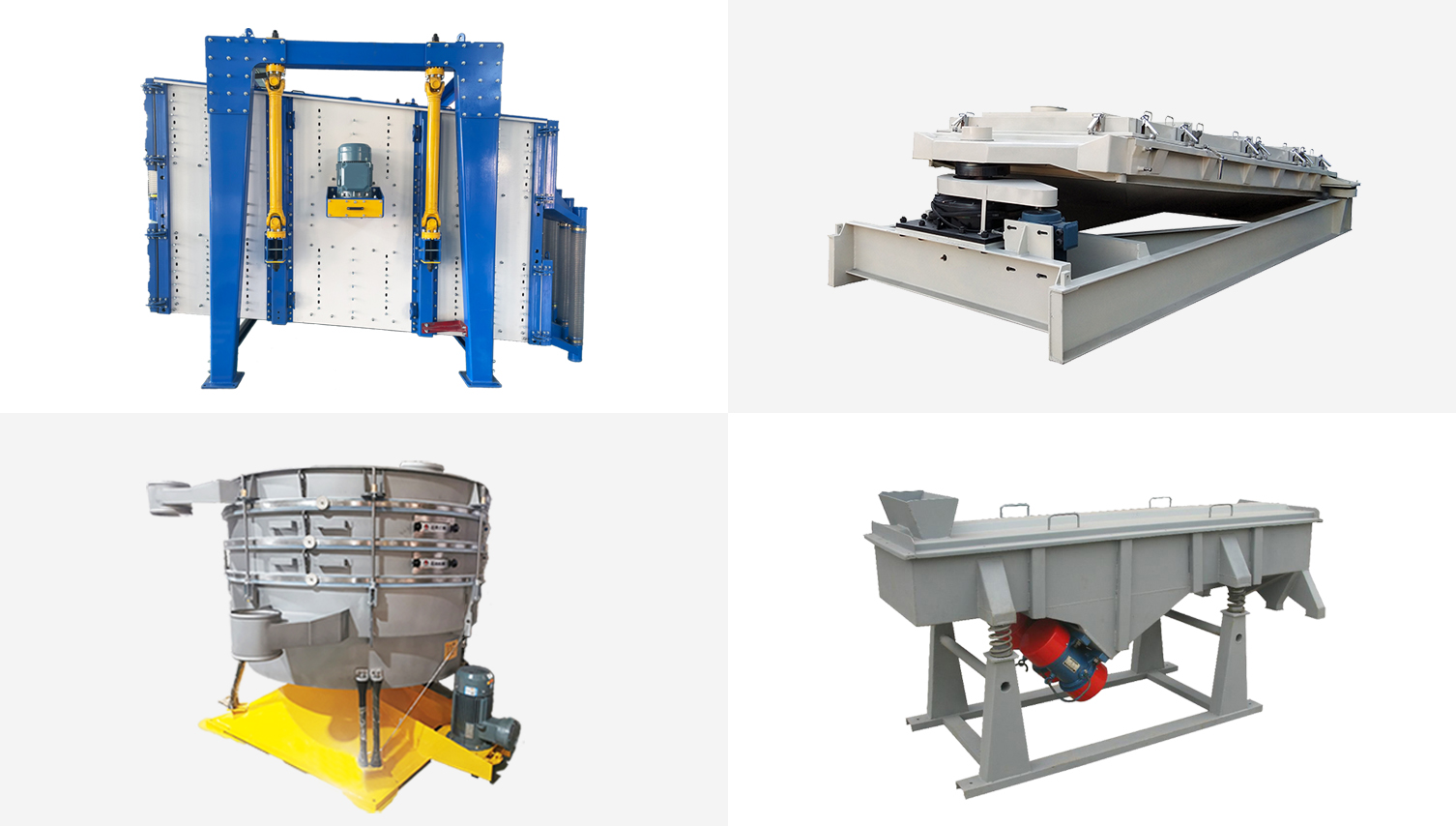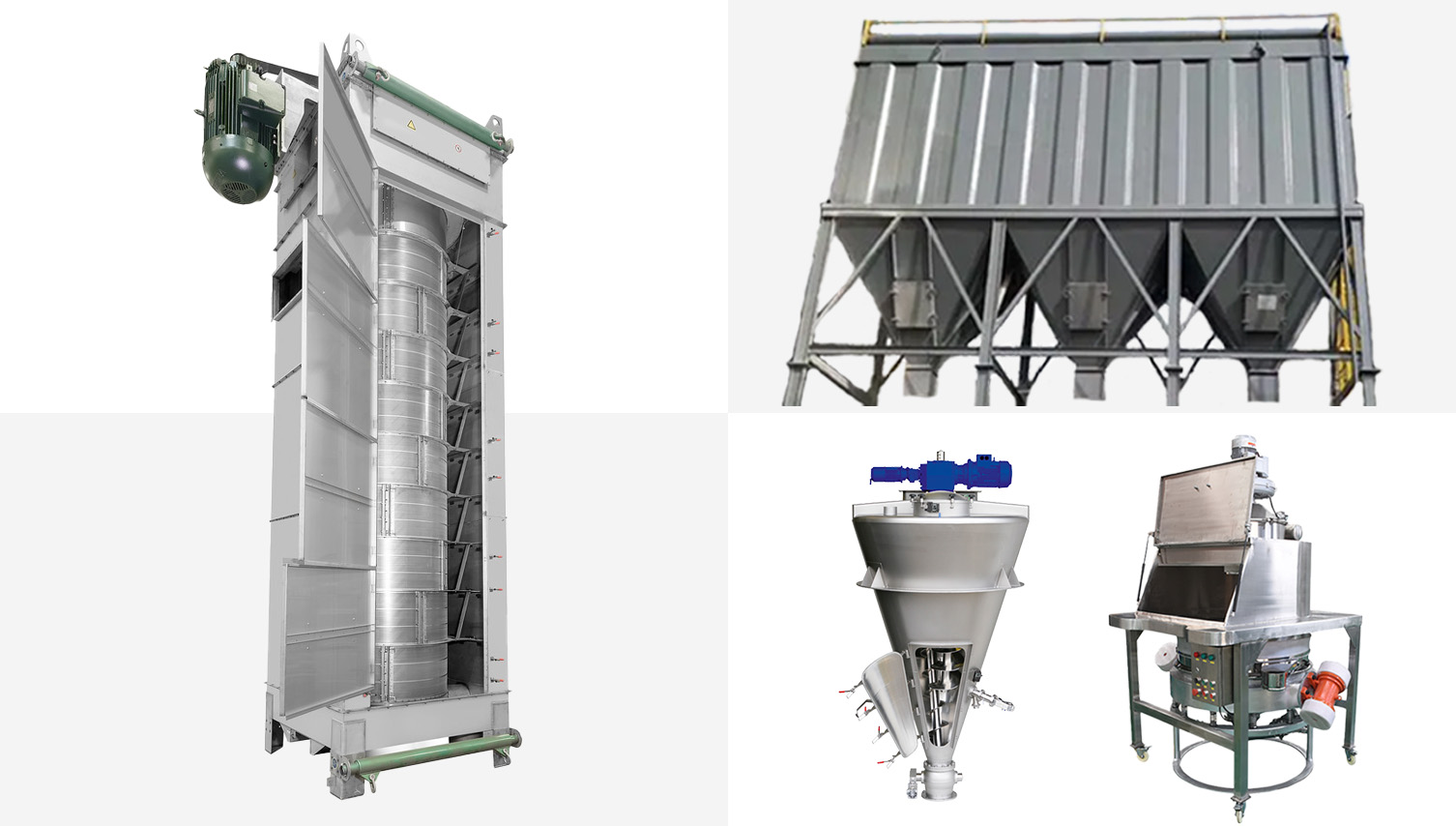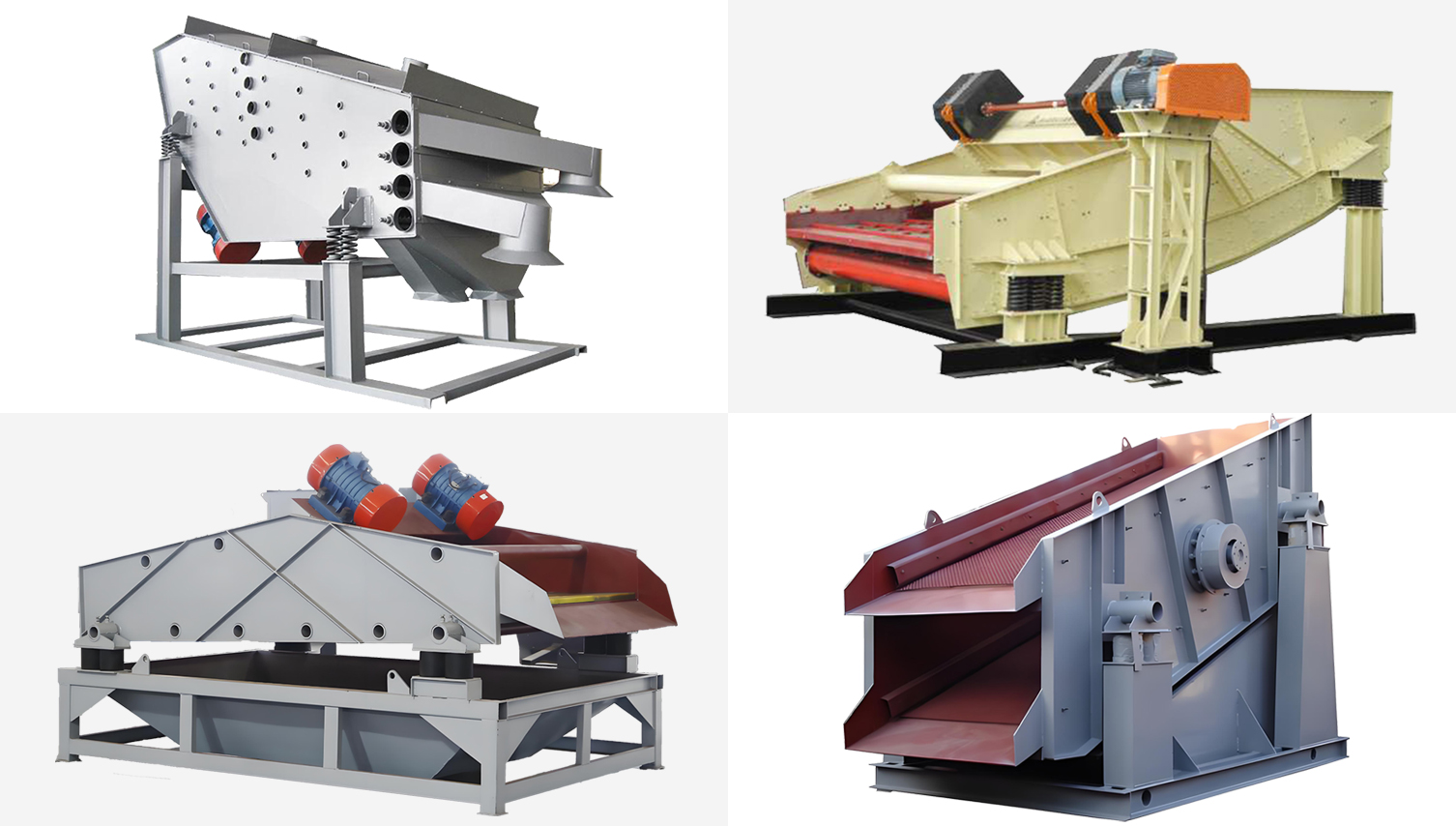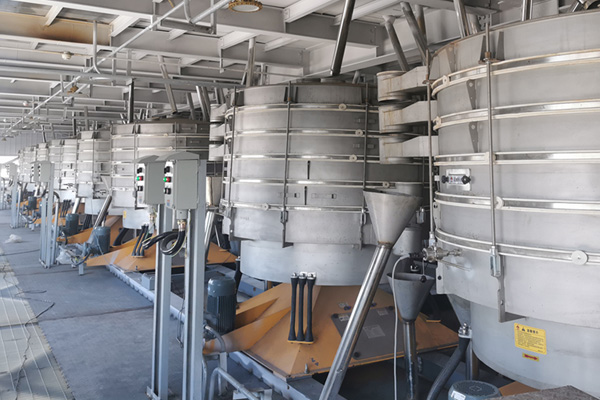
In actual production processes, many materials, due to their unique physicochemical properties, become "tricky problems" in the screening process. Circular gyratory screens, with their unique design, specifically address these challenges, demonstrating strong adaptability.
Challenge 1: Materials Prone to Clogging (e.g., fibrous, high-moisture materials)
-Traditional Screening Machine Dilemma: Screens quickly become clogged, requiring frequent shutdowns for cleaning, resulting in extremely low efficiency.
-Circular Gyratory Screen Solution: Its gentle three-dimensional gyratory motion causes materials to bounce and slide slightly on the screen surface, rather than impacting vertically, effectively reducing the chance of materials embedding in the mesh. For wet screening or high-moisture materials, its motion helps to "crush" soft clumps, keeping the mesh open.
Challenge 2: Fragile, Crystalline Materials (e.g., fertilizers, grains, crystalline chemicals)
-Traditional Screening Machine Dilemma: Strong vibrations or impacts can cause particle breakage, producing excessive powder, affecting yield and grade.
- Circular gyratory screen solution: The near-uniform parabolic motion trajectory minimizes impact on materials, achieving "screening rather than impact," thus preserving the original crystalline shape and particle integrity of the material to the greatest extent.
Challenge 3: Lightweight, floating materials (e.g., wood flour, dust, activated carbon)
-Traditional screening machine dilemma: Materials are easily scattered, resulting in low screening efficiency and severe dust pollution and material loss.
-Circular gyratory screen solution: The equipment can adopt a fully enclosed structure, combined with its gentle motion, effectively suppressing dust dispersion. Simultaneously, a well-designed air duct can be used in conjunction with a dust removal system to achieve clean production.
Challenge 4: Fine powders requiring high-precision grading (e.g., graphite, metal powder, ceramic powder)
-Traditional screening machine dilemma: Screening accuracy is difficult to achieve, resulting in excessive fine powder in the oversize material or coarse particles mixed in the undersize material.
- Circular Gyratory Screen Solution: By adjusting the eccentric counterweight, the movement speed and trajectory length of the material on the screen surface can be precisely controlled, ensuring that each particle has ample opportunity to pass through the corresponding screen, thereby achieving high-precision and high-efficiency strict grading.
Challenge 5: Multi-layer Grading and Space Constraints
-Traditional Screening Machine Dilemma: Requires multiple single-layer screening machines connected in series, resulting in a large footprint and complex process.
- Circular Gyratory Screen Solution: A single unit can be configured with multiple layers (up to 5 layers) of screens, seamlessly processing various specifications of finished products from feeding. Its vertical stacking design greatly saves factory space and simplifies the process flow.
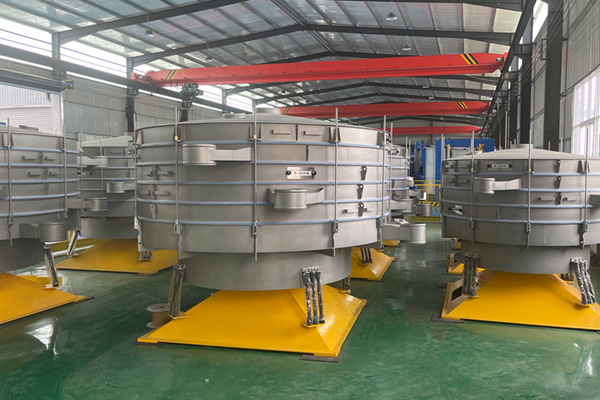
Choosing a circular gyratory screen is not just choosing a screening device, but a comprehensive system solution for specific material challenges. While improving screening efficiency, it prioritizes the protection of material properties and the stability and cleanliness of the production process. A high-performance circular gyratory screen guarantees both quality and efficiency.
Clearly separated particles, intelligent screening – Mirant Xinxiang Machinery