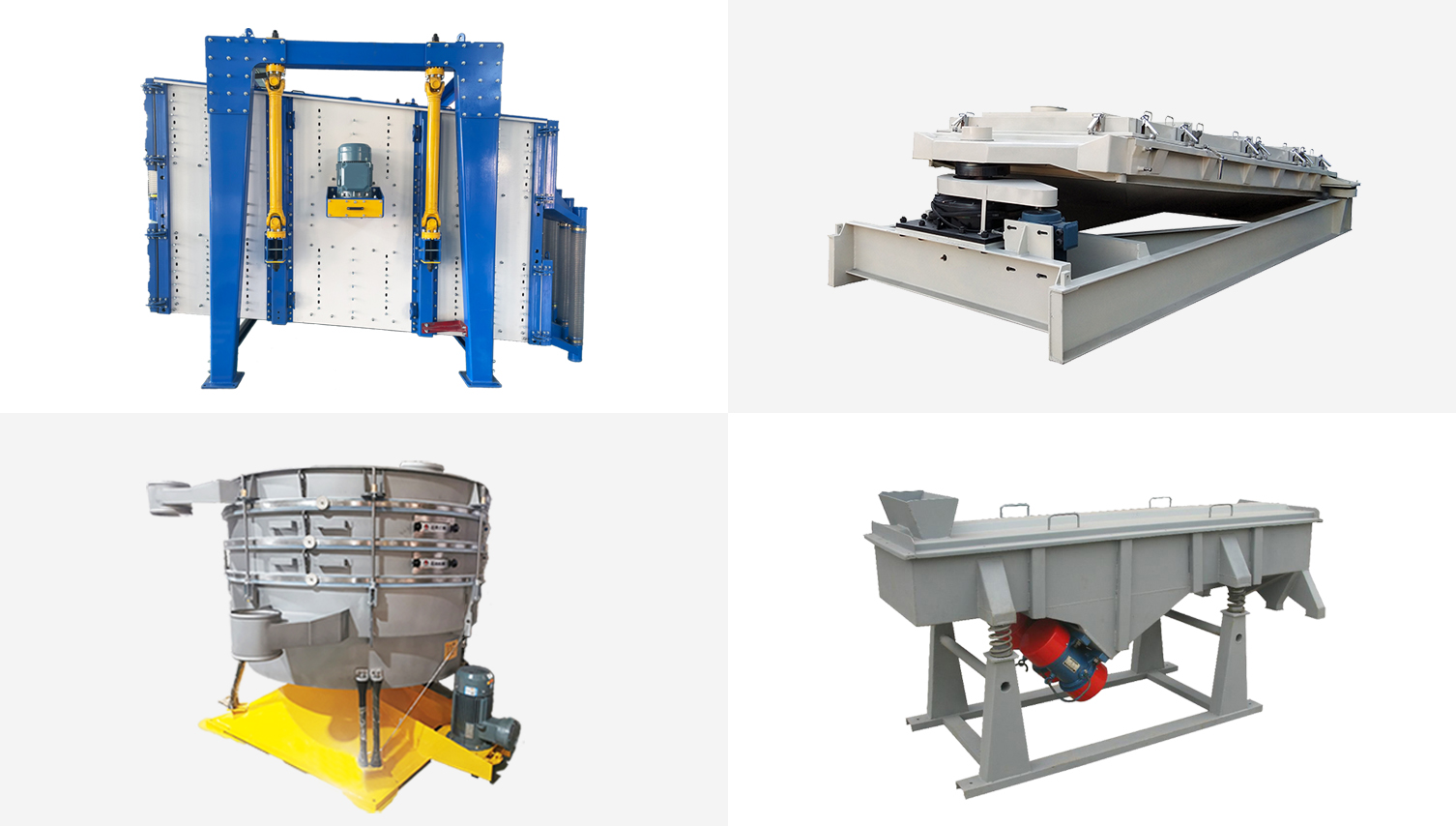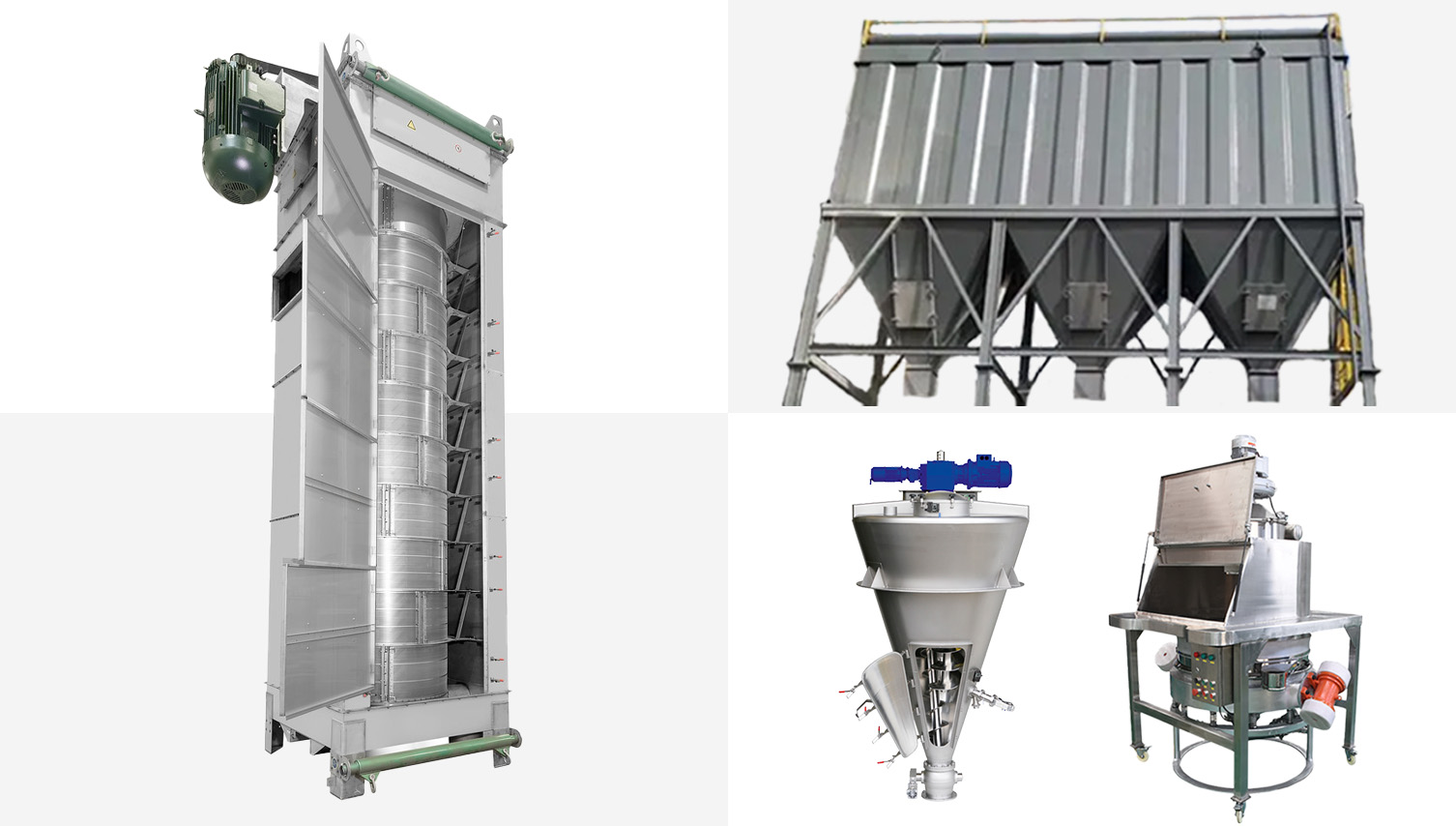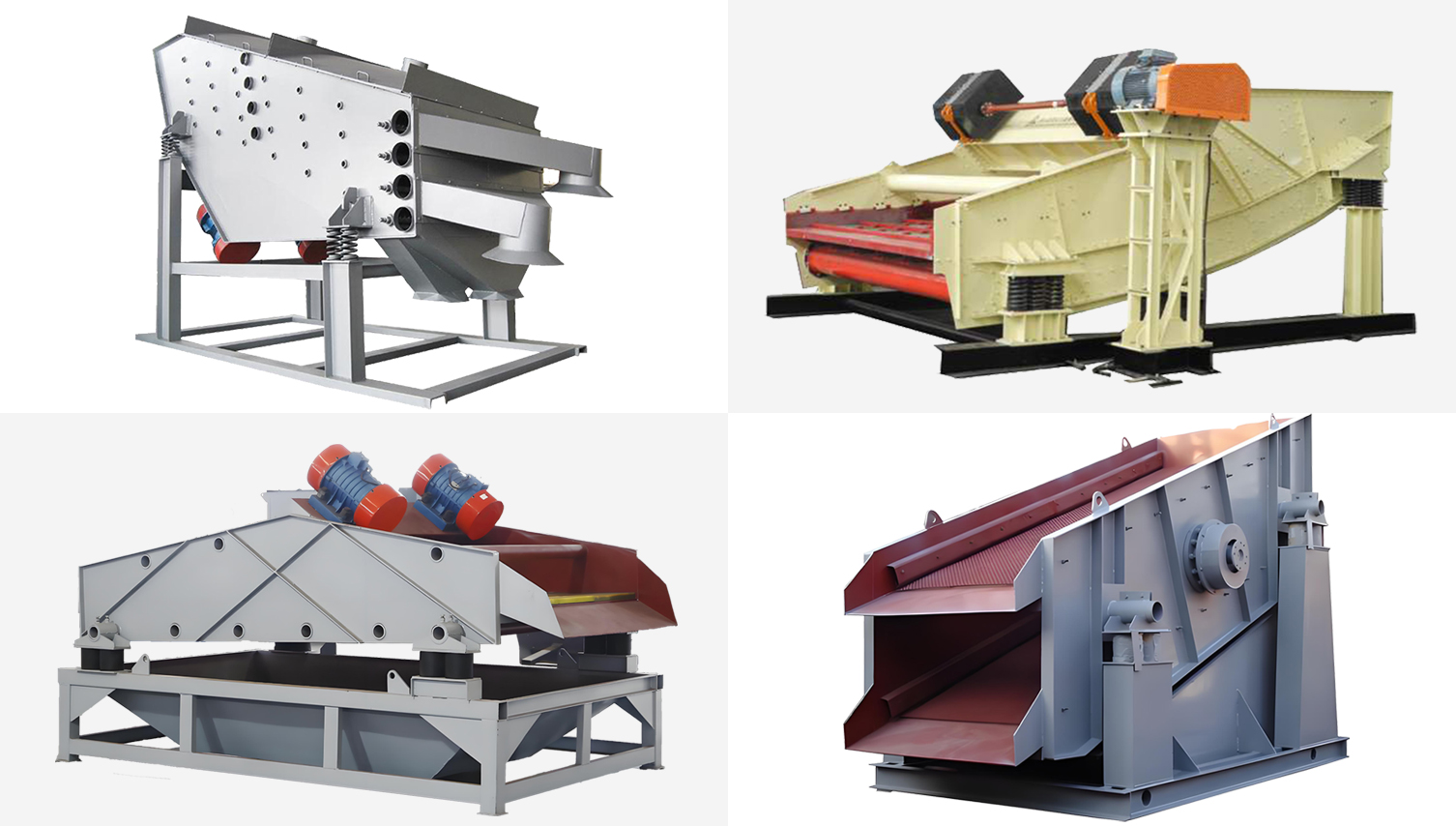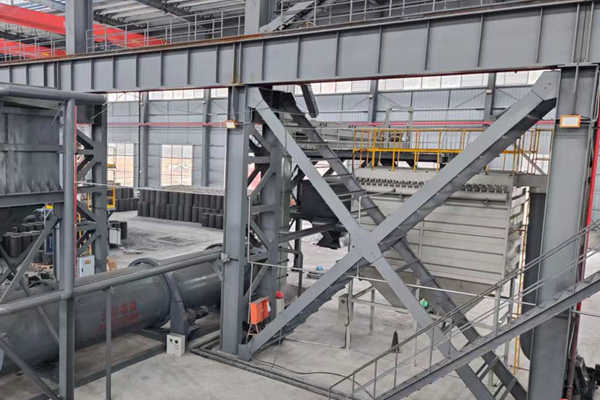
Dust removal systems are crucial auxiliary systems for ensuring the efficient, clean, and safe operation of screening production lines. Improper design or operation can not only lead to environmental violations but also directly interfere with core screening processes, creating a multi-faceted dilemma of "environmental protection-production-maintenance." Therefore, a thorough review and optimization from a system integration perspective is essential.
Problem Phenomena:
- Dust permeates the production line, creating a harsh working environment that fails to meet environmental and safety requirements.
- Screening equipment efficiency decreases; fine powder cannot be effectively classified due to the "spraying" effect (airflow interference).
- Frequent clogging of dust collectors or damage to filter bags results in high maintenance costs.
Cause Analysis:
- Inappropriate dust collection point design or airflow: Only one dust suction port is installed at the top of the screening equipment; dust-generating points such as the inside of the screen body and the discharge ports at each layer are not effectively sealed and suctioned, creating positive pressure dust. Excessive total airflow may suck up product, while insufficient airflow leads to ineffective dust removal.
- Improper duct design: Insufficient air velocity in the dust collection duct leads to dust accumulation and blockage; excessive or excessively long duct bends increase system resistance, affecting dust collection efficiency.
- Mismatch between filter media and materials: The material of the dust collector filter bag (e.g., anti-static, water- and oil-repellent, membrane-coated) is not selected according to the material characteristics (e.g., humidity, static electricity, stickiness), resulting in bag clogging or difficulty in cleaning.
- System asynchrony: When starting the production line, the gyratory screen is turned on before the dust collector; when shutting down, the dust collector is turned off before the screen, causing momentary fugitive emissions.
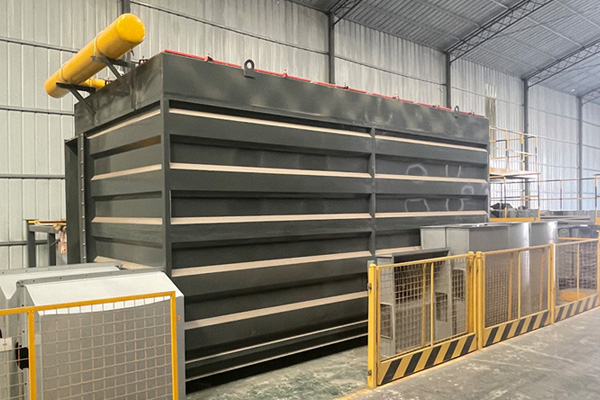
Systematic Solutions and Integrated Optimization Strategies:
The core of the solution lies in elevating the dust removal system from an "auxiliary device" to a "process control unit" deeply coupled with the production process.
Phase One: Scientific Design of the Collection and Distribution Network (Precision Collection)
Primarily airtight, supplemented by suction, establishing a micro-negative pressure system:
- First, effectively physically seal all potential dust escape points of the gyratory screen (feed inlet, inspection doors on each layer, and discharge interfaces) using wear-resistant silicone or rubber sealing strips.
- Based on this, uniformly distributed suction hoods or inlets are installed at key points (especially the upper space of the screen body and the sealed cavity) to ensure uniform and stable airflow within the sealed cavity, forming an overall micro-negative pressure, so that dust "can only enter, not exit."
Precise Airflow Calculation and Distribution:
- Using the airflow balance method, based on the opening area of each sealed hood, the controlled wind speed, and the airflow generated by the movement of materials inside the equipment, accurately calculate the total required airflow (Q), and rationally distribute it according to the needs of each suction point.
- Core Principle: Sufficient airflow is sufficient, not necessarily the larger the better. Avoid excessive air intake that could affect screening and waste energy.
Phase Two: Optimizing the Core Conveying and Separating Units (High-Efficiency Conveying and Filtration)
Standardized Piping System Design:
- Ensure branch pipe velocity > 16m/s and main pipe velocity > 18m/s to prevent dust accumulation. Employ a constant velocity reducing pipe design to maintain system resistance balance. Prioritize the use of large-radius elbows instead of right-angle elbows.
Customized Matching of Filter Media and Cleaning:
- Customized Selection: For high-moisture materials, water-repellent and oil-resistant + PTFE membrane filter bags are essential; for explosive dust, anti-static filter bags + explosion relief devices are selected.
- Intelligent Cleaning: Using the dust collector differential pressure as the core control parameter, a constant differential pressure (rather than simply timed) pulse cleaning control mode is adopted to achieve "on-demand cleaning," maximizing filter bag life while ensuring air permeability.
Phase Three: Implementing Strict Intelligent Interlock Control (Reliable Operation)
Hard-line Interlocking, Sequential Control:
- In the central control system (PLC), the main dust collector fan is set as the "first start" and "last stop" device on the production line.
- Standard start-up sequence: Dust collector fan starts → Downstream conveyor equipment → Gyratory screen main unit → Upstream feeder equipment.
- Standard shutdown sequence: Upstream feeder stops → Gyratory screen main unit stops (and runs delayed until material is discharged) → Downstream conveyor equipment stops → Dust collector fan stops after a delay (ensuring residual dust in the system is completely removed).
- This logic is programmed to achieve automatic sequential control without manual intervention, fundamentally eliminating emissions caused by misoperation.
Through the above three-layer optimization of "precise capture—high-efficiency purification—intelligent interlocking," the dust collection system will transform from the root cause of the problem into a solid foundation for ensuring the stable, efficient, and clean operation of the screening equipment production line.