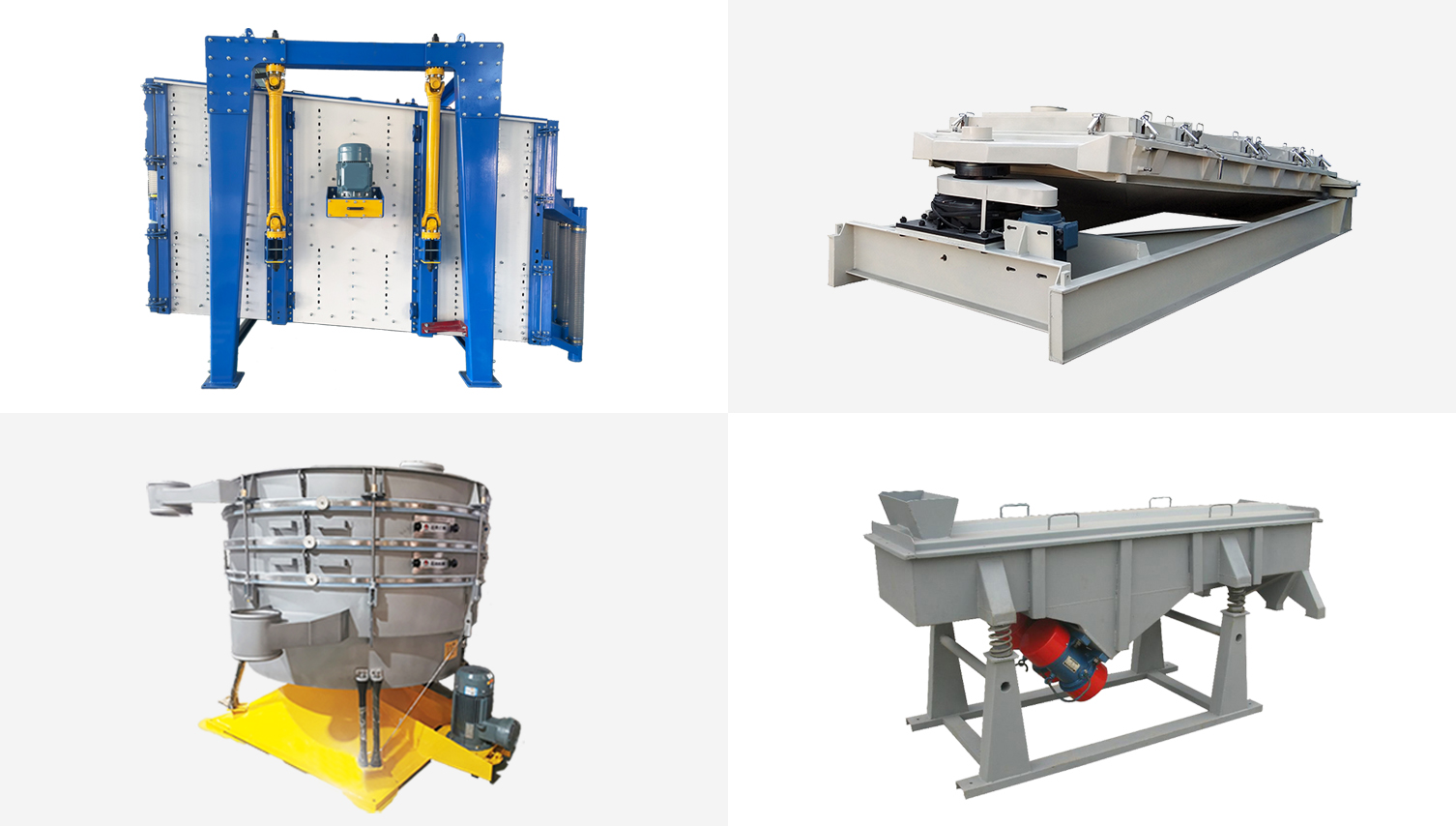
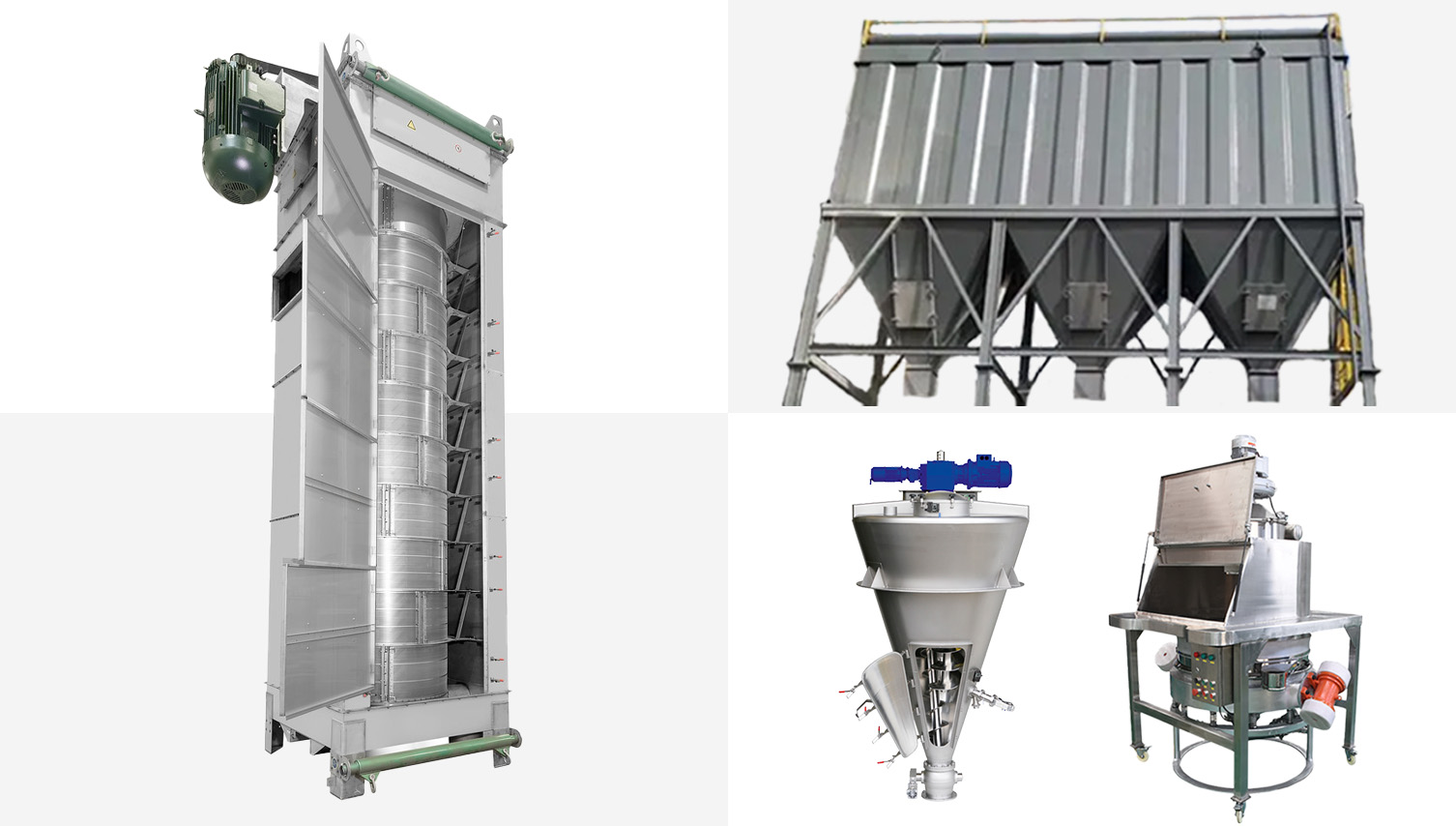
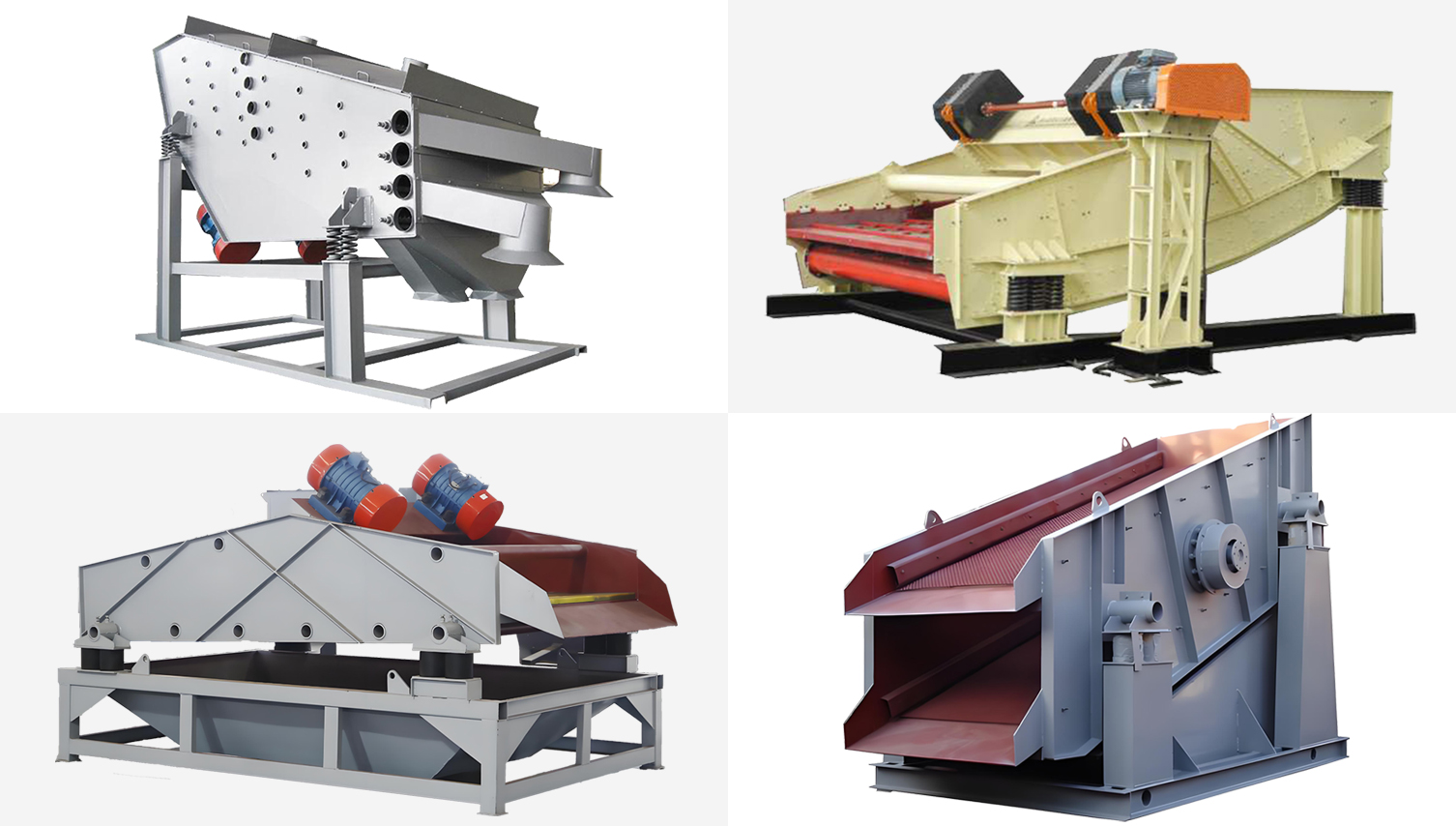
After the Spring Festival holiday or the winter shutdown, spring brings a peak in production resumption across various industries. At this time, directly starting a square gyratory screen that has been idle for a long time with material is a major taboo in equipment maintenance. A proper start-up and commissioning is not only a "wake-up ceremony" for the equipment, but also crucial for identifying potential hidden damage caused by the low winter temperatures and ensuring efficient operation throughout the year. The following three-step commissioning method will help you safely and smoothly start spring production.
Step 1: No-load Test Run, Listen for Sound Location
Before inputting any material, a no-load test run must be performed for at least 30 minutes. This is the most effective "check-up" method.
1. Observe the trajectory and determine balance: After starting the equipment, first observe the material trajectory on the screen surface (a small amount of dry sand or rice grains can be sprinkled for observation). Under normal circumstances, it should exhibit a regular elliptical or straight-line movement. If deviation, unilateral oscillation, or erratic movement occurs, it may indicate two main problems: uneven tension on the suspension ropes or aging or breakage of the shock-absorbing springs. These need to be checked and adjusted one by one after stopping the machine.
2. Listen for unusual noises and check for potential problems: Carefully listen to the sounds of the core components of the equipment—the vibrator, bearings, and connecting rods. Operation should be smooth and free of abnormal noise. If you hear a harsh metallic friction sound or periodic impact sound, stop the machine immediately. This usually means that the bearing grease has solidified at low temperatures, resulting in insufficient lubrication, or that the bearing itself is worn. Check, replenish, or replace the grease promptly to avoid serious damage caused by "dry grinding."
Step Two: Material Adaptation and Dynamic Parameter Adjustment
As temperatures rise in spring, the physical properties of materials (such as viscosity, flowability, and moisture content) will change significantly. Using the parameter settings from winter often fails to achieve optimal screening results.
1. Flexible speed adjustment, seeking precision through slower processing: For materials that tend to clump in winter, their flowability usually improves after thawing in spring. At this time, the motor speed can be appropriately reduced using a frequency converter. Extending the residence time of the material on the screen surface allows finer materials more time to pass through, thereby improving screening accuracy. This is a strategic adjustment from "pursuing throughput" to "pursuing separation accuracy."
2. Gradual Loading, Avoid "Overloading": In the initial stages of resuming production, operators often rush to catch up with output and suddenly increase the feed rate, which can easily lead to screen collapse or screen box deformation. Spring startup should strictly adhere to the principle of "gradual loading." It is recommended to initially control the feed rate at 60%-70% of the rated processing capacity. After observing stable screening effects and uniform material flow, gradually increase it to 80%-90% in stages. The key to feeding is "stability," not "aggressiveness."
Step 3: Tightening and Re-inspection, Preventing Loosening Before It Occurs
After a winter of operation and the thermal expansion and contraction during shutdown, especially in northern regions with large temperature differences, the connecting bolts in various parts of the equipment are prone to loosening.
-Key Areas, Torque Re-tightening: Within the first week after spring startup, a comprehensive tightening check must be performed on all critical connecting bolts. Pay special attention to load-bearing components such as vibrator fixing bolts, screen frame fastening bolts, and motor base bolts. For high-strength bolts M12 and above, it is recommended to use a torque wrench to retighten according to the equipment manual's specifications (e.g., 18-22 N·m). This avoids uneven torque or insufficient preload caused by manual tightening based on feel, completely eliminating the risk of structural resonance or component displacement due to bolt loosening.
Clear Separation, Intelligent Screening – Mirant Xinxiang Machinery Equipment Co., Ltd.