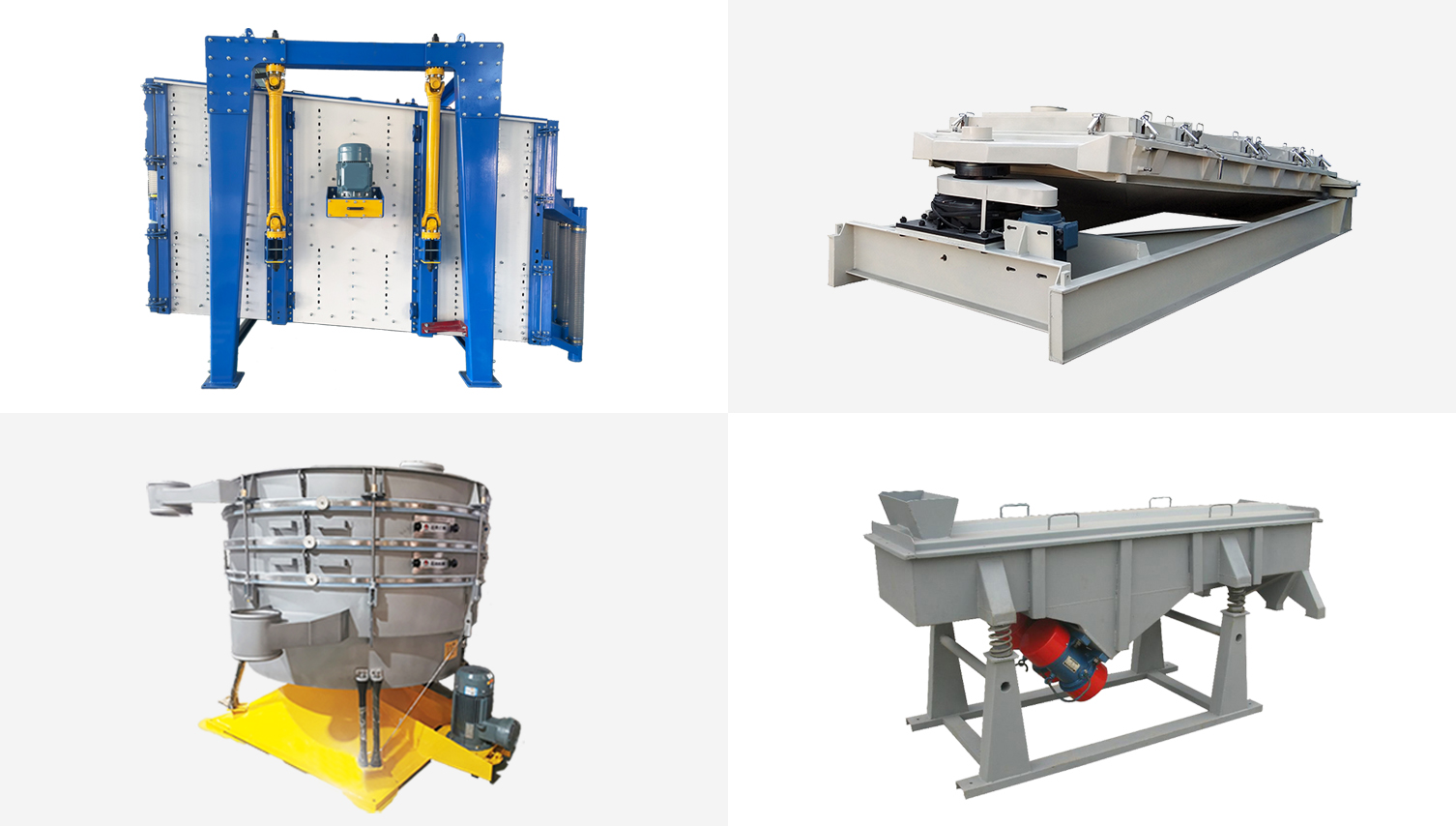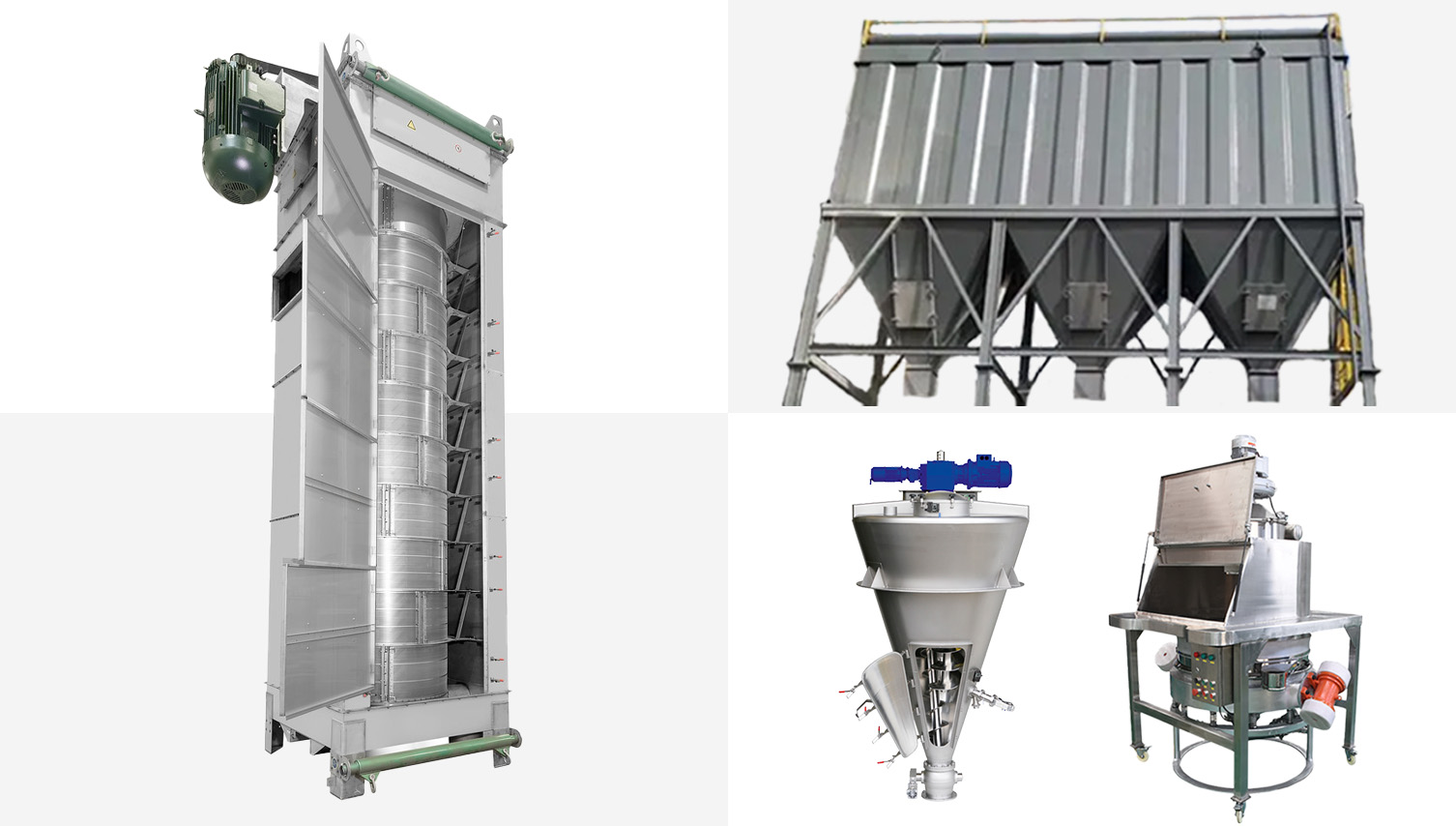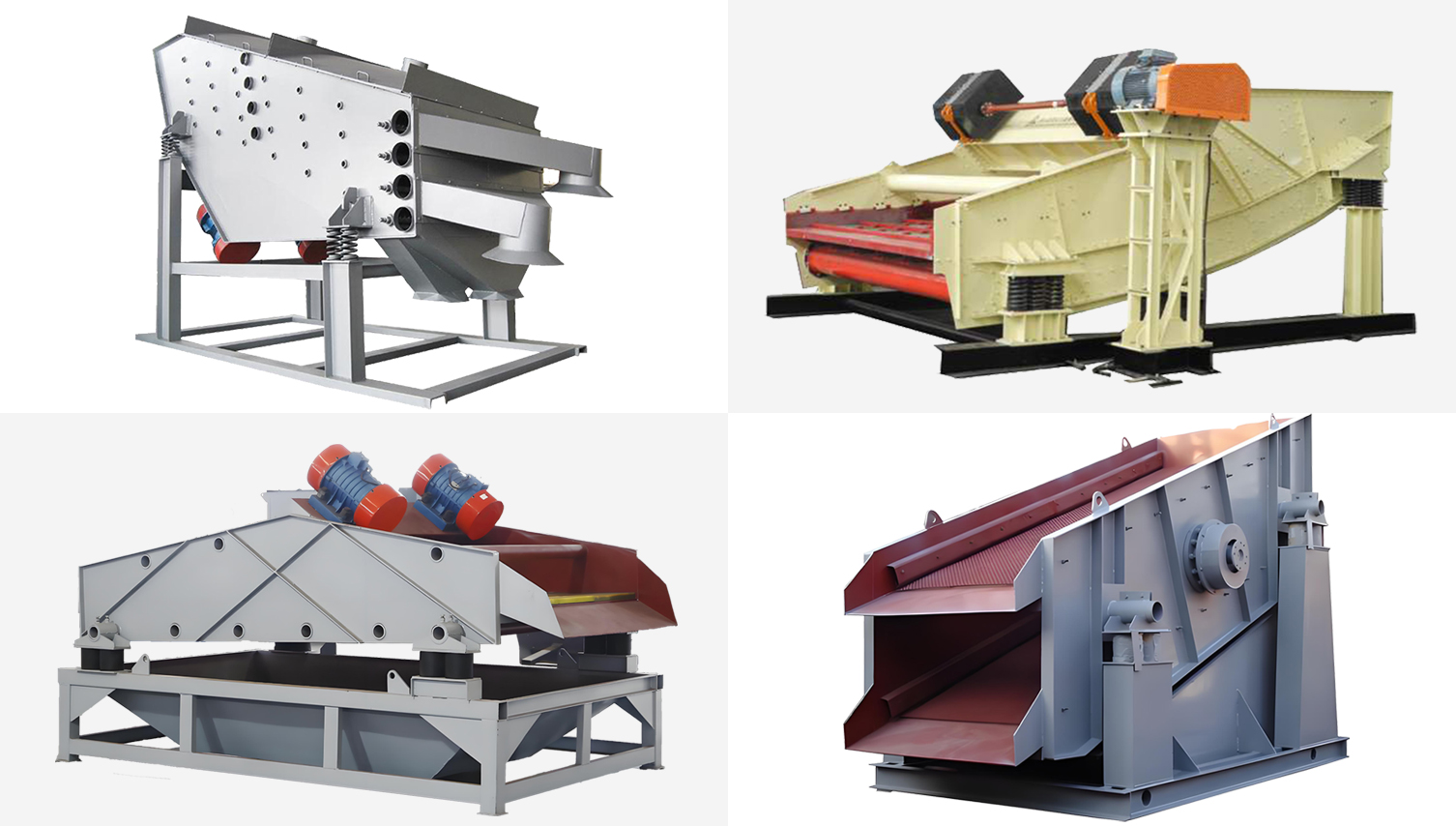
In industrial production, screening is a crucial step in material handling, and its efficiency and accuracy directly impact the overall production line's capacity and quality. Traditional screening equipment relies heavily on high-frequency vibration to classify materials. While this "violent" separation method is direct, it often comes with several drawbacks: rapid screen wear, high material breakage rate, and significant noise and dust. Furthermore, when processing high-moisture or fine-particle materials, screen clogging is highly likely, leading to a sharp drop in screening efficiency.
In recent years, a device based on a novel kinematic principle—the planar rotary screen—has gradually become a core option for production line upgrades. Its emergence is not simply a replacement of equipment, but a profound revolution in screening philosophy.
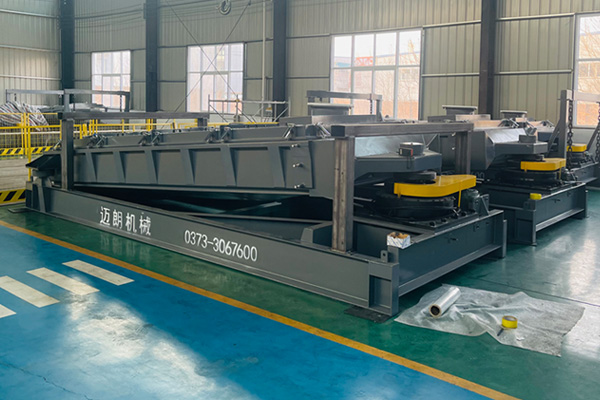
The core operating principle of the planar rotary screen lies in its unique composite trajectory of planar circular motion and linear reciprocating motion. After the equipment starts, the drive unit moves the screen box in a uniform circular motion in the horizontal plane, while a gradually weakening reciprocating motion is superimposed between the feed and discharge ends. The material no longer moves in a high-frequency, disordered "jumping" motion on the screen surface, but instead exhibits a uniform, smooth "vortex-like" forward trajectory.
This sophisticated motion pattern brings three revolutionary advantages to screening line production:
1. Precise screening accuracy: Because the material moves in a horizontal circular motion on the screen surface, its contact time with the screen mesh is longer, and the contact path is richer. Fine particles have ample opportunity to pass through the screen holes, while larger particles travel along a spiral trajectory towards the discharge end. This "full contact" mechanism allows screening efficiency to typically reach over 95%, far exceeding that of traditional vibrating screens.
2. Gentle screening process: Traditional vibrating screens often have vertical accelerations as high as 5-8G, which can easily cause secondary crushing of brittle materials. In contrast, the vertical acceleration of a planar rotary screen is extremely low (close to 1G), and the material is essentially in a "floating" sliding state without any throwing motion. This characteristic greatly protects the original particle size of the material and reduces over-grinding, which is of great significance for production lines that prioritize high yield.
3. Superior Self-Cleaning Capability: Screen clogging is the number one problem in screening operations. The motion trajectory of the planar rotary screen creates a uniform "flowing bed" of material on the screen surface, ensuring that fine particles are always at the bottom and in contact with the screen surface. Simultaneously, special bouncing balls or screen tensioning structures, combined with the horizontal twisting of the screen surface, effectively "squeeze out" particles stuck in the screen holes, achieving highly efficient self-cleaning and maintaining stable production capacity even when processing high-moisture, high-viscosity materials.
The gyratory screen essentially shifts the screening process from relying on "impact force" to utilizing the physical processes of "friction and centrifugal force." It not only solves the contradiction between "efficiency and lifespan" in traditional equipment but also sets a new benchmark for screening technology in modern production lines with its low energy consumption, low noise, and high-precision operation.
Clearly Separated Particles, Intelligent Screening –Mirant Xinxiang Machinery Equipment Co., Ltd.