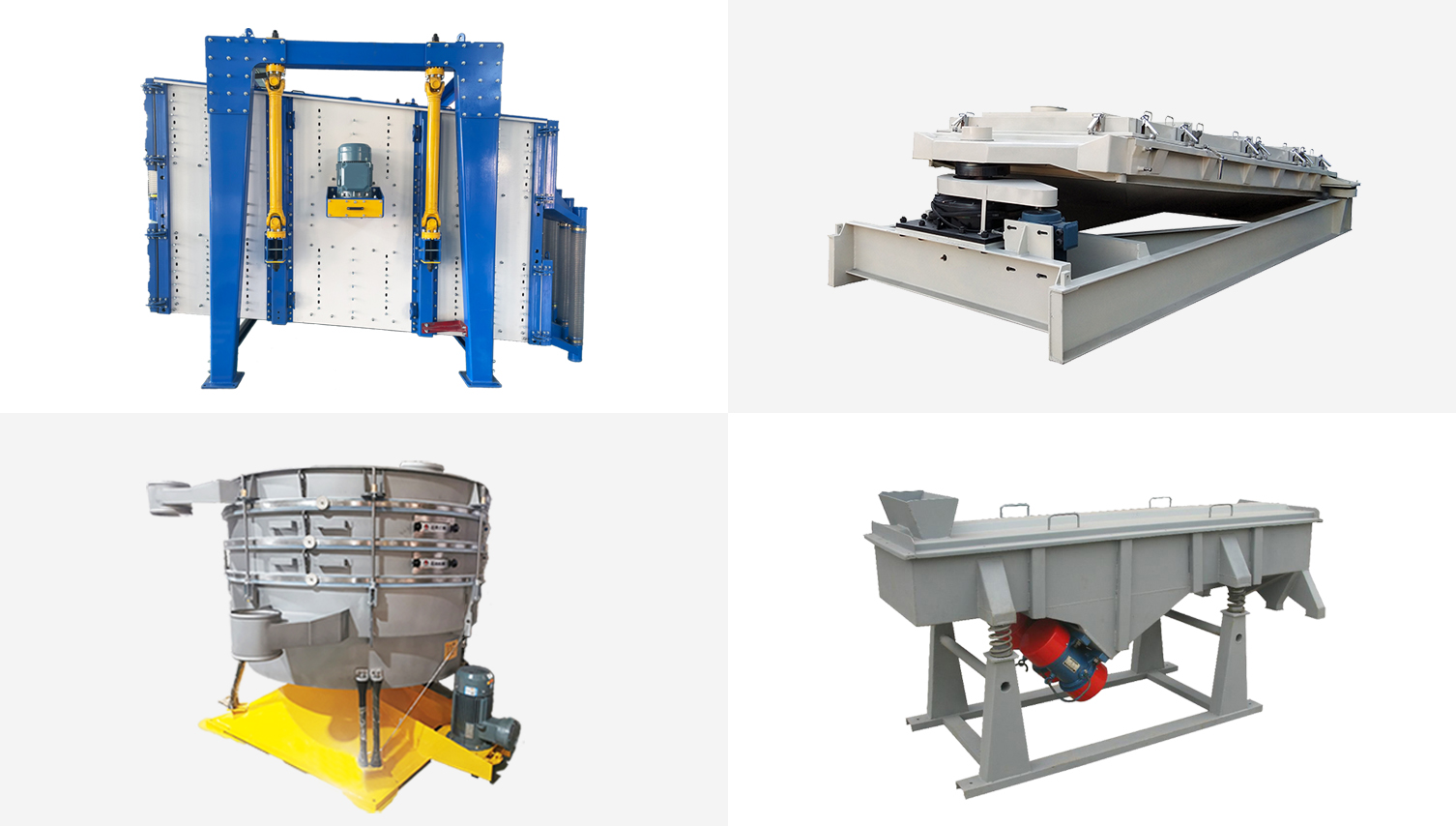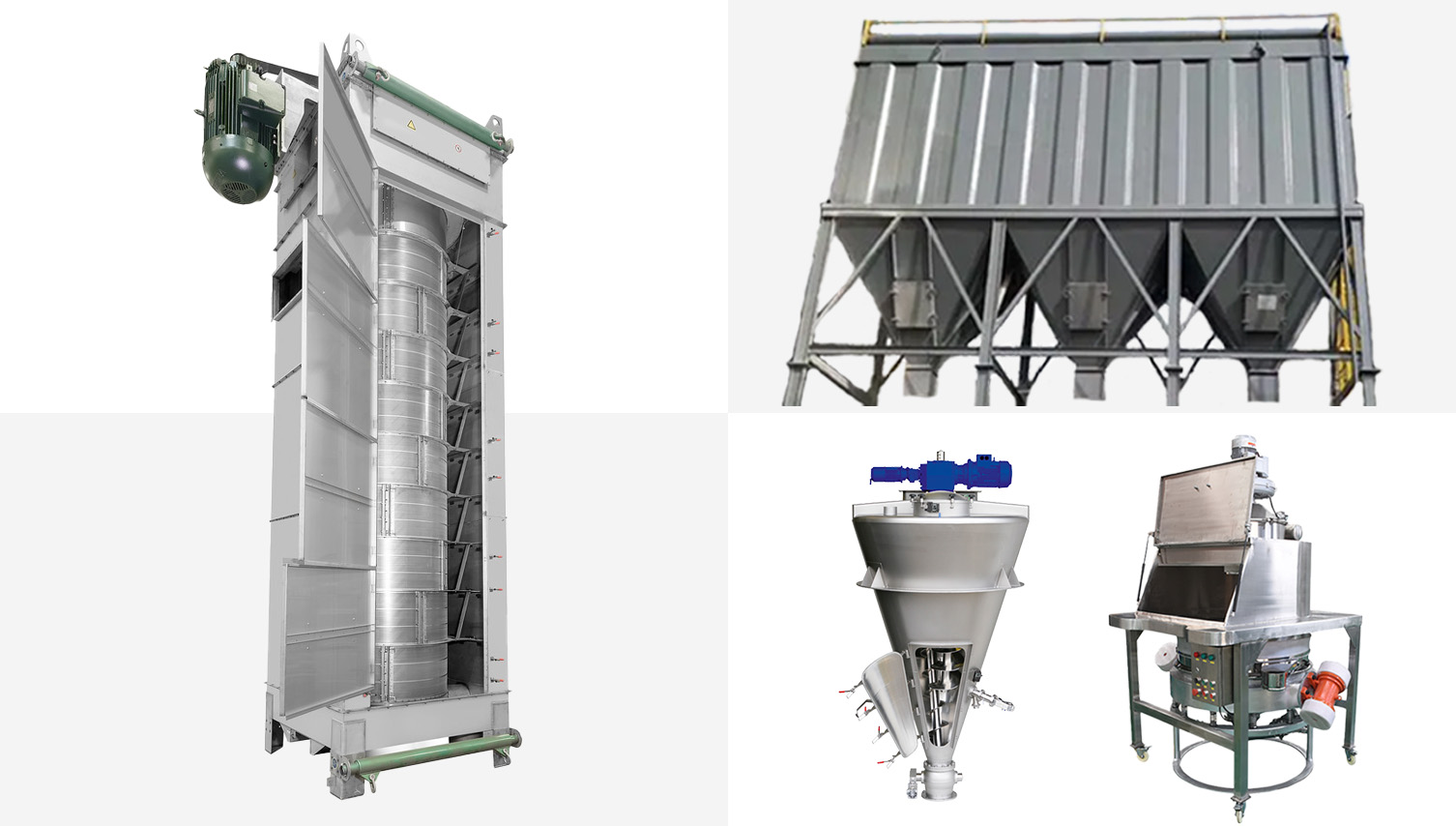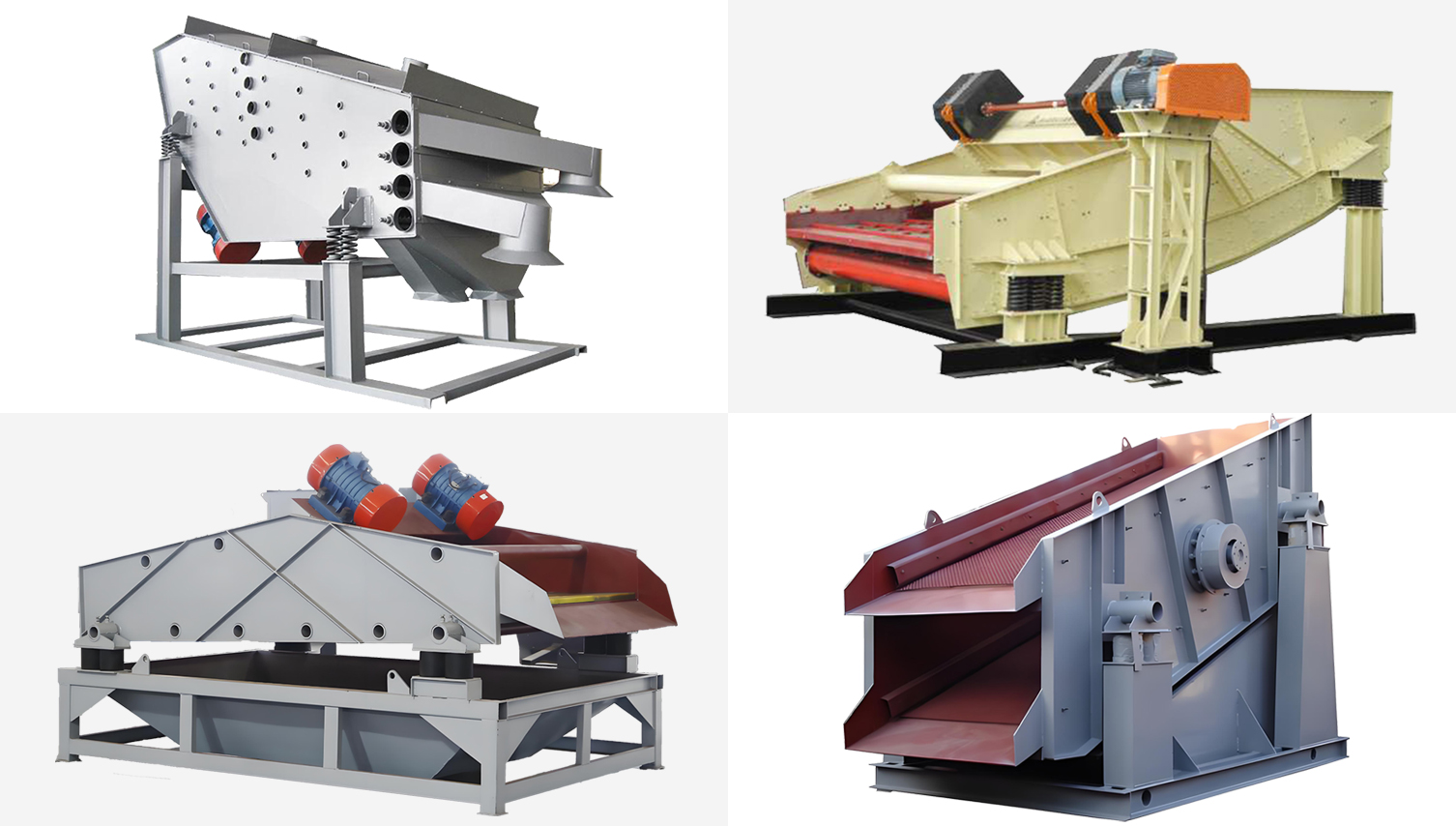
In the process of modernizing and upgrading production lines, environmental compliance, clean production, and low-carbon energy conservation have become essential indicators for the continued operation and improved efficiency of production lines. Screening, as a core process in material handling, has long suffered from a series of environmental problems with traditional screening equipment, including dust dispersion, high operating noise, energy waste, and severe pollution. This not only results in a poor working environment and unpleasant user experience but also poses a significant risk of exceeding environmental standards and insufficient production compliance, becoming a major bottleneck in the green upgrading of many production lines. During the equipment iteration process, the planar rotary screen, with its unique mechanical operating principle and integrated environmentally friendly structural design, fundamentally solves the pollution drawbacks of traditional screening processes, becoming the core preferred equipment for green transformation of screening processes and achieving dust-free, low-noise, and energy-saving production.
I. Principle Innovation: Abandoning Violent Vibration Screening, Reducing Pollutant Generation at the Source
Traditional screening equipment generally adopts the principle of high-frequency vertical vibration screening, relying on high-intensity up-and-down vibration to make materials bounce and penetrate the screen surface. This working mode itself is highly disruptive. Materials violently tumble, collide, and splash on the screen surface. Fine powder is easily suspended and dispersed due to the impact force. Furthermore, since most equipment has a semi-open structure, dust easily spills out and spreads, creating continuous dust pollution. Simultaneously, the mechanical impact and machine resonance caused by high-frequency vibration generate high-decibel noise, continuously affecting the workshop working environment.
The composite screen completely reconstructs the screening motion logic, adopting a gradual planar rotary motion principle. It replaces violent vertical vibration with horizontal, flexible motion throughout the entire process. The equipment is driven by an eccentric transmission system to perform a smooth, gradual circular-elliptical-linear motion. The entire machine is free from high-frequency impacts and vertical bouncing disturbances. The material slides uniformly along the screen surface throughout the process, stratifying and classifying. Screening is completed through a stable, flat, forward-moving state, rather than relying on vibration and impact. This biomimetic, gentle screening method significantly reduces the impact force between material particles and between the material and the screen mesh, substantially reducing the amount of fine dust generated from a physical perspective. This curbs dust pollution at its source, achieving a low-dust, minimal-disturbance environmental effect during the screening process.
II. Fully Enclosed Structural Design for Dust-Free Standardized Screening Operations
Besides its low-dust characteristics due to its superior principle, the composite screen's structural design is fully compatible with clean production standards. It employs a fully enclosed, integrated box structure, completely eliminating the risk of dust leakage. The feed inlet, screening chamber, and discharge outlet are all sealed together, with no open openings or dust overflow channels. Compared to the open screen surface and side gaps of traditional vibrating screens, which leak dust, the sealed structure completely traps the trace dust generated during screening inside the equipment, preventing it from dispersing into the workshop environment.
For screening scenarios involving fine powders and easily dusty materials, the composite screen can be equipped with a dust collection interface, allowing connection to an external dust collection system to achieve negative pressure dust collection, further purifying the air inside the equipment and achieving a completely dust-free and dust-free working environment in the workshop. Under long-term operation, the workshop will not experience large-scale dust accumulation, improving the hygiene of the working environment, eliminating safety hazards caused by dust accumulation, and fully complying with environmental dust control standards. This effectively avoids production risks such as exceeding environmental inspection standards and substandard operating conditions, enabling compliant, standardized, and clean production in the screening process.
III. Low-carbon, energy-saving, and low-loss production, contributing to green cost reduction and upgrading of the production line
Green and environmentally friendly production not only includes pollution control and smog reduction, noise reduction, and dust removal, but also encompasses the core requirements of energy conservation, consumption reduction, and low-carbon operation and maintenance. Traditional screening equipment requires continuous high-power output due to high-frequency vibration, resulting in significant ineffective energy consumption and high power consumption during long-term continuous operation, leading to low overall energy efficiency, which is inconsistent with the development trend of low-carbon production. At the same time, high-frequency vibration causes rapid wear of equipment parts and frequent replacement of consumables, resulting in a large amount of waste parts and screen replacements, indirectly increasing production and maintenance losses and solid waste disposal pressure.
The composite screen boasts highly efficient and centralized power output, relying on an eccentric shaft's uniform-speed rotary drive mode to achieve efficient screening without the need for high-power, high-frequency vibration. It exhibits extremely low power loss, low overall operating power, and high energy utilization, effectively reducing the overall power consumption of the production line and achieving energy conservation and cost reduction through long-term continuous operation. Simultaneously, the equipment's low-vibration and low-load operating characteristics significantly reduce the wear rate of screens and transmission components, extending the service life of vulnerable parts and reducing the frequency of consumable replacements. This reduces solid waste generation at the source, lowers the pressure on subsequent environmental treatment, and achieves multiple environmental benefits: energy saving, consumption reduction, and waste reduction.
In today's increasingly stringent environmental regulations and the widespread adoption of green production, upgrading a composite screen is not merely an upgrade in equipment efficiency, but a key strategic move for ensuring environmental compliance, green quality improvement, and long-term efficient operation of the production line. Through principle innovation and structural optimization, it completely solves the environmental pain points of traditional screening, such as dust, noise, high energy consumption, and high losses, helping the production line build a clean, efficient, low-carbon, and compliant modern screening system.
Clearly separated particles, intelligent screening – Mirant Xinxiang Machinery Equipment Co., Ltd.