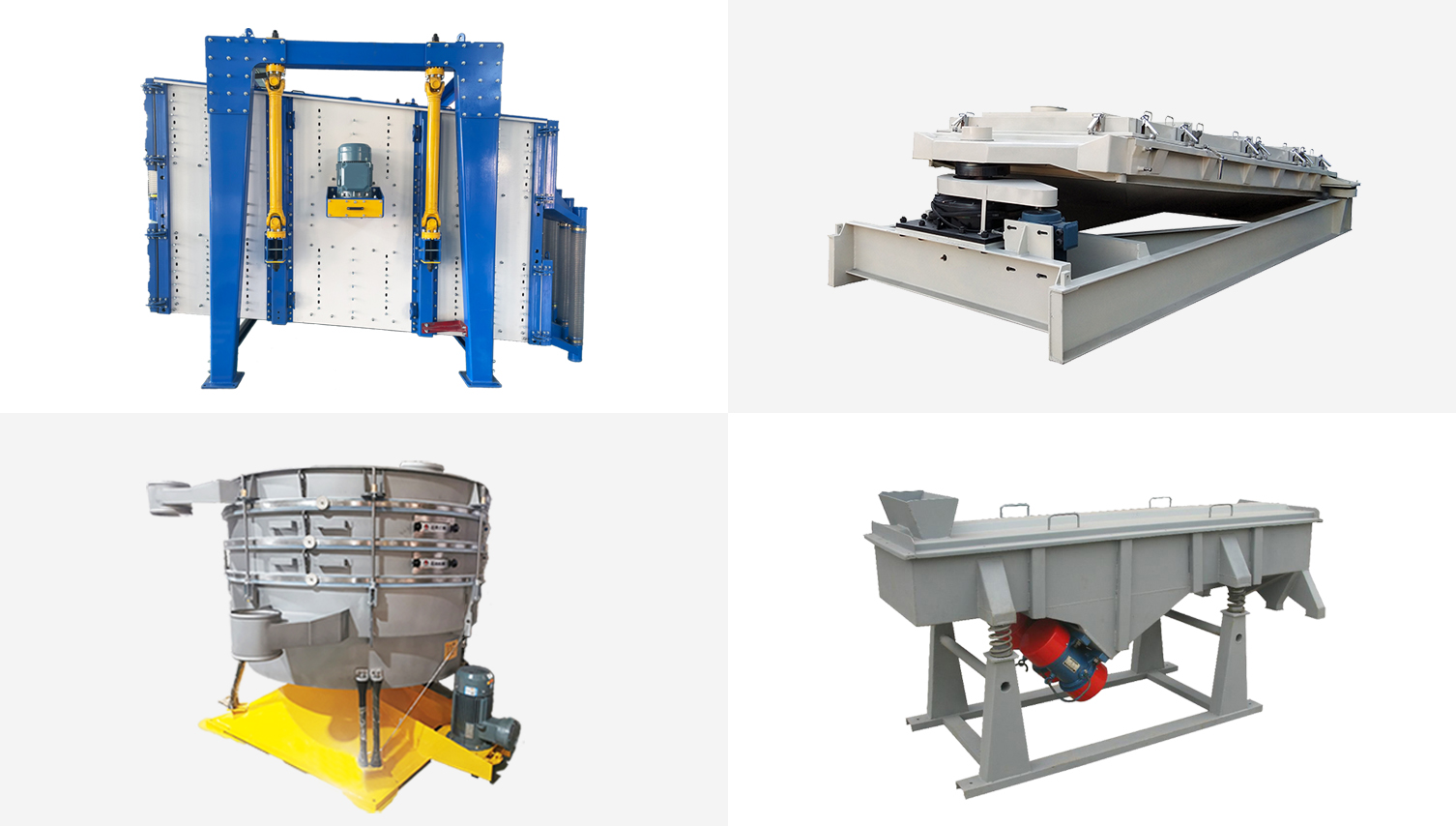
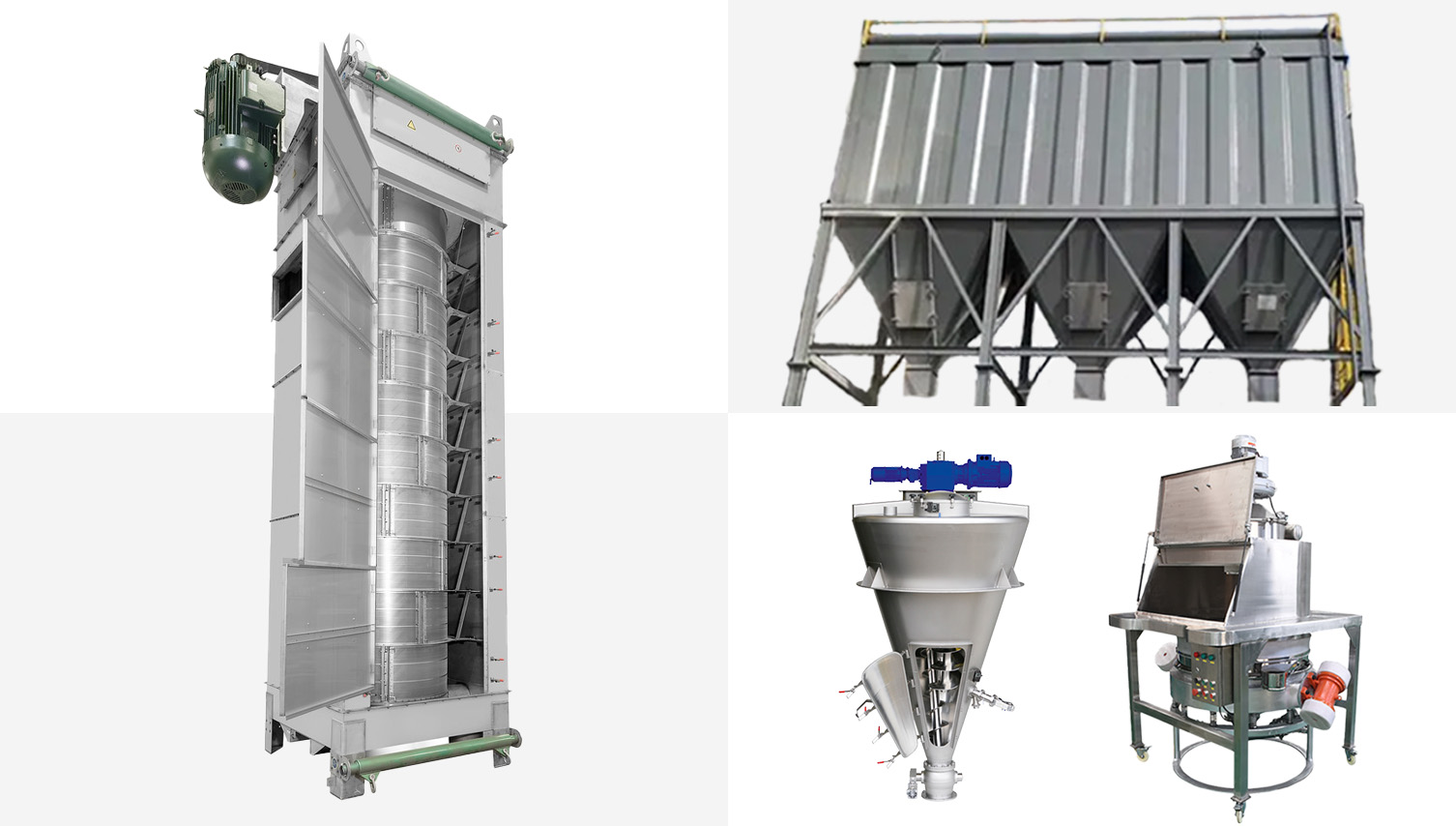
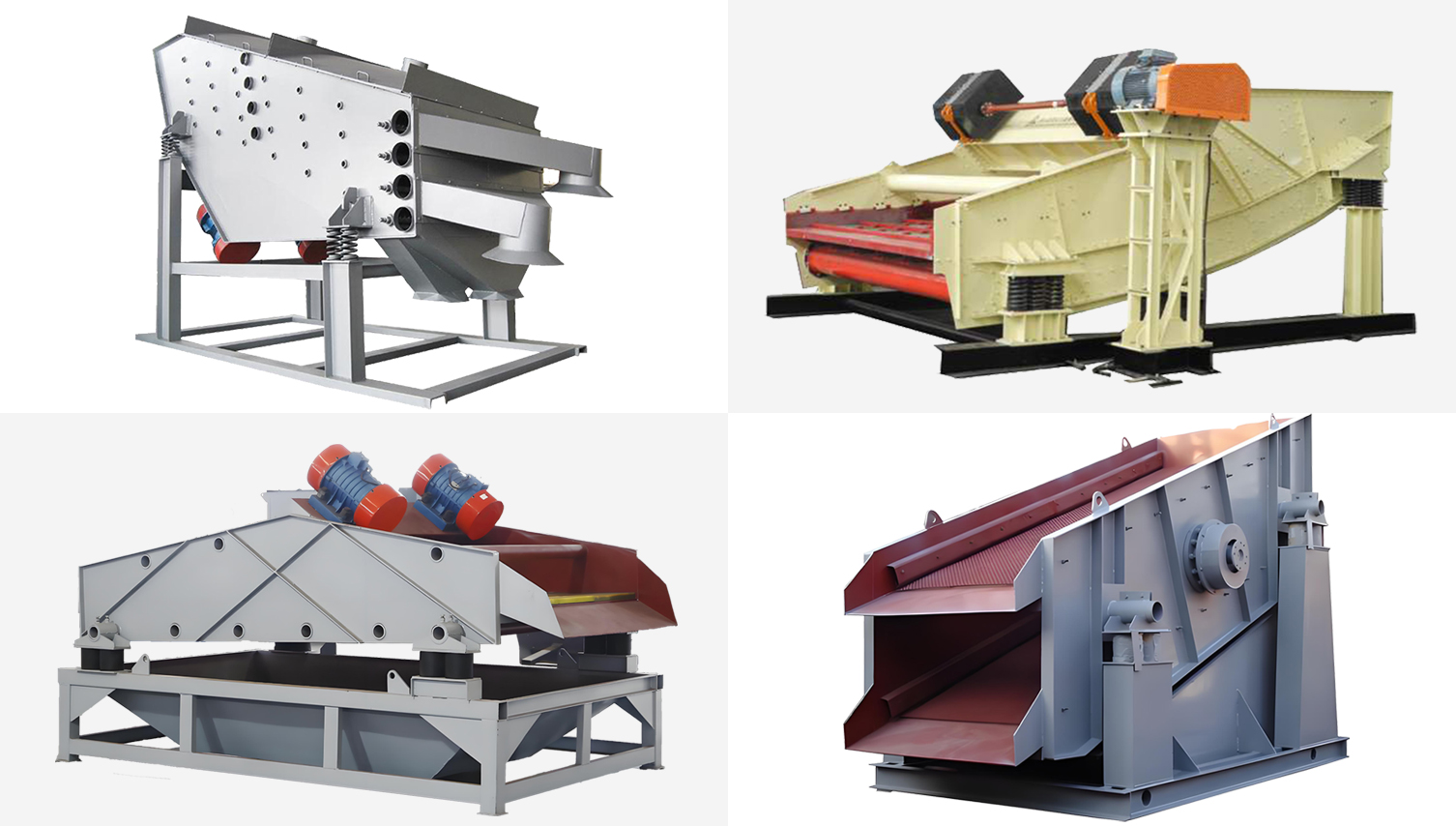
Circular Gyratory Sifter vs. Traditional Vibrating Screen: Technical Differences & Application Advantages
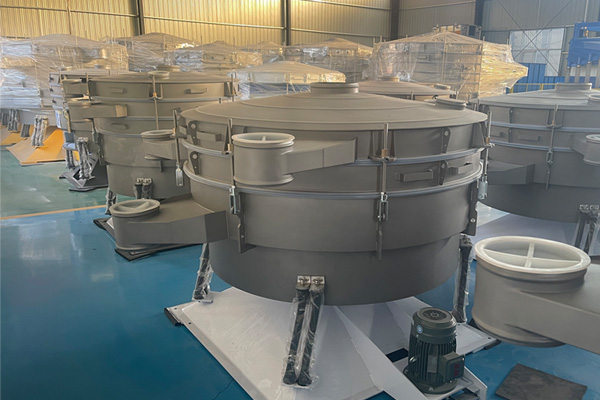
In the screening equipment family, circular gyratory sifters and conventional vibrating screens seemingly perform the same task: classifying materials by particle size. However, they operate on fundamentally different technical principles, resulting in vastly different operational performance and production benefits.
Traditional vibrating screens rely on high-frequency excitation force generated by vibrating motors to drive materials into high-speed three-dimensional movement across the screen surface. This mechanism works adequately for coarse particles, yet when processing fine powders, fragile granules and irregularly shaped materials, the high-frequency impact tends to deform or break materials, accelerate equipment wear and cause frequent screen mesh blinding.
The circular gyratory sifter adopts an entirely different approach: low frequency, low speed, and motion simulating manual hand sieving.
Comprehensive Comparison Across Six Dimensions
1. Working Principle
The circular gyratory sifter is driven by a motor and belt to actuate internal components, enabling the machine body to follow a circular orbital motion. Its eccentricity is adjustable from 25 mm to 40 mm, and rotating speed ranges from 120 rpm to 360 rpm. In contrast, vibrating screens generate high-frequency excitation force via unbalanced weights on the motors. One moves like a graceful dancer, while the other delivers forceful hammering impacts.
2. Applicable Materials
With gentle reciprocating motion, circular gyratory sifters excel at processing fine and ultra-fine powders, easily blinding or agglomerating materials, high-static substances and irregular particles, causing minimal damage to material structure and morphology. By comparison, high-speed vibration of vibrating screens may fracture fragile crystalline materials such as chicken essence and seasonings during screening.
3. Screening Accuracy
A circular gyratory sifter can achieve up to 6 grades of separation with a screening efficiency of 90%–99%, 5 to 10 times higher than standard screening machines. Its distinctive movement maximizes contact between materials and the screen mesh, delivering outstanding performance on fine particles. For materials ranging from below 30 mesh to 500 mesh, its throughput is 5 to 10 times that of a vibrating screen.
4. Operating Noise
Thanks to its low operating speed, the noise level of a circular gyratory sifter stays below 75–80 decibels. High-speed rotation of vibrating motors creates considerable noise, which adversely affects operators’ health and the working environment during long-term continuous operation.
5. Equipment Service Life & Maintenance
The low acceleration of the gyratory sifter minimizes mechanical abrasion, extends screen mesh service life and cuts overall maintenance costs. Vibrating screens suffer self-destructive fatigue from persistent vibration, prone to frame cracking and deformation after prolonged use, leading to relatively higher maintenance expenses.
6. Operational Stability
Designed with a fully enclosed dust-tight structure, the circular gyratory sifter effectively contains dust, allows flexible integration into production lines, and ensures safe and convenient operation. It prevents material spillage and drastically reduces dust pollution.
Occupying the same floor space, a circular gyratory sifter delivers five times the output of a vibrating screen. It brings disruptive efficiency improvements for enterprises constrained by limited workshop area and production capacity bottlenecks.
The core of equipment selection is never about picking the most expensive or the cheapest option, but the most suitable one. There is no absolute superior or inferior between circular gyratory sifters and traditional vibrating screens—they are simply designed for different application scenarios. When your production demands high precision, low material loss, long service cycles and low-noise operation, the circular gyratory sifter is undoubtedly the optimal solution. Against the backdrop of manufacturing transformation and upgrading, an increasing number of enterprises are phasing out vibrating screens in favor of gyratory sifters. This shift represents more than just equipment replacement; it marks a milestone in the industry’s evolution from extensive, crude production to refined, sophisticated processing.
Distinct Particles, Intelligent SievingMirant Xinxiang Machinery Co., Ltd.