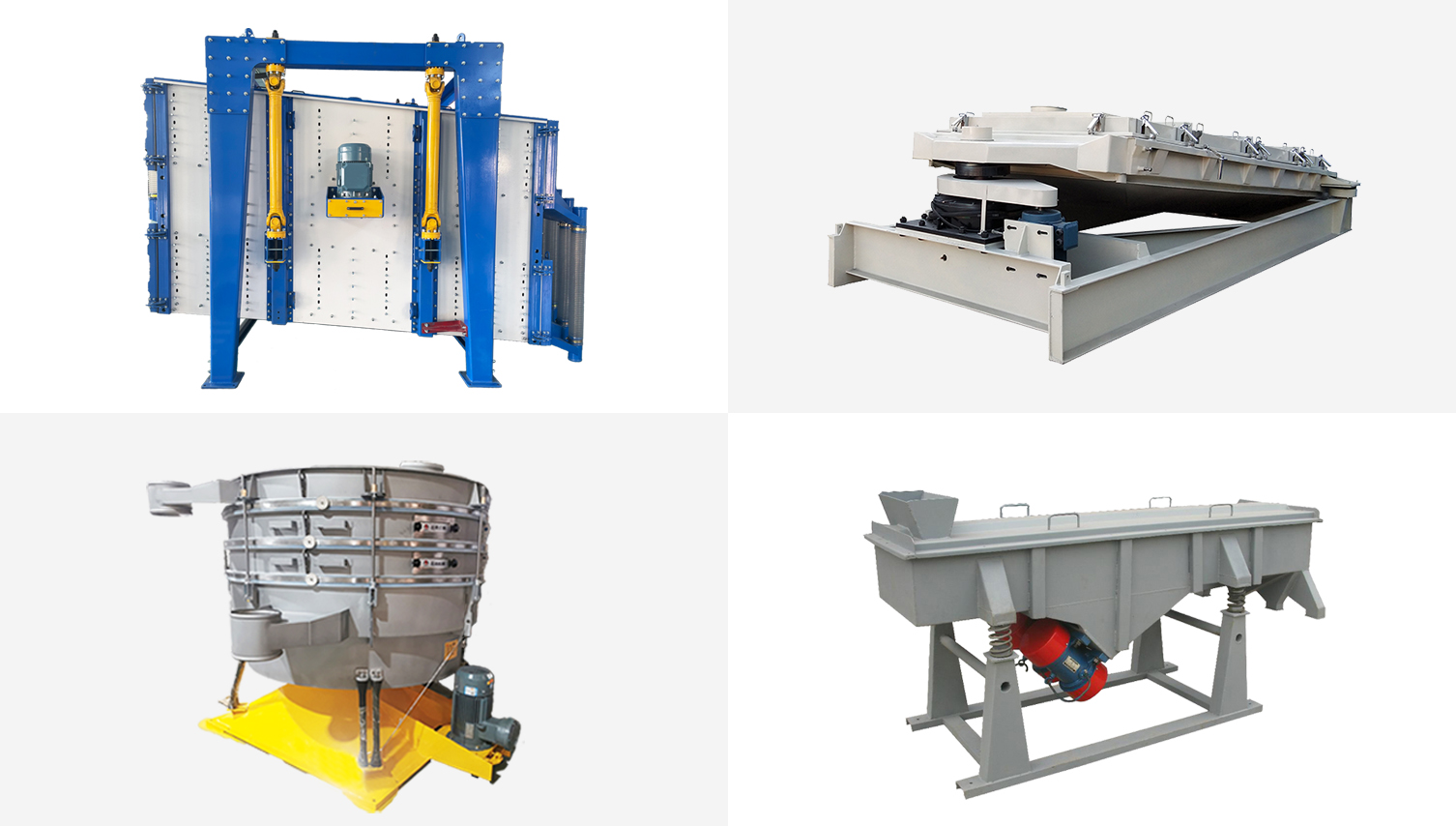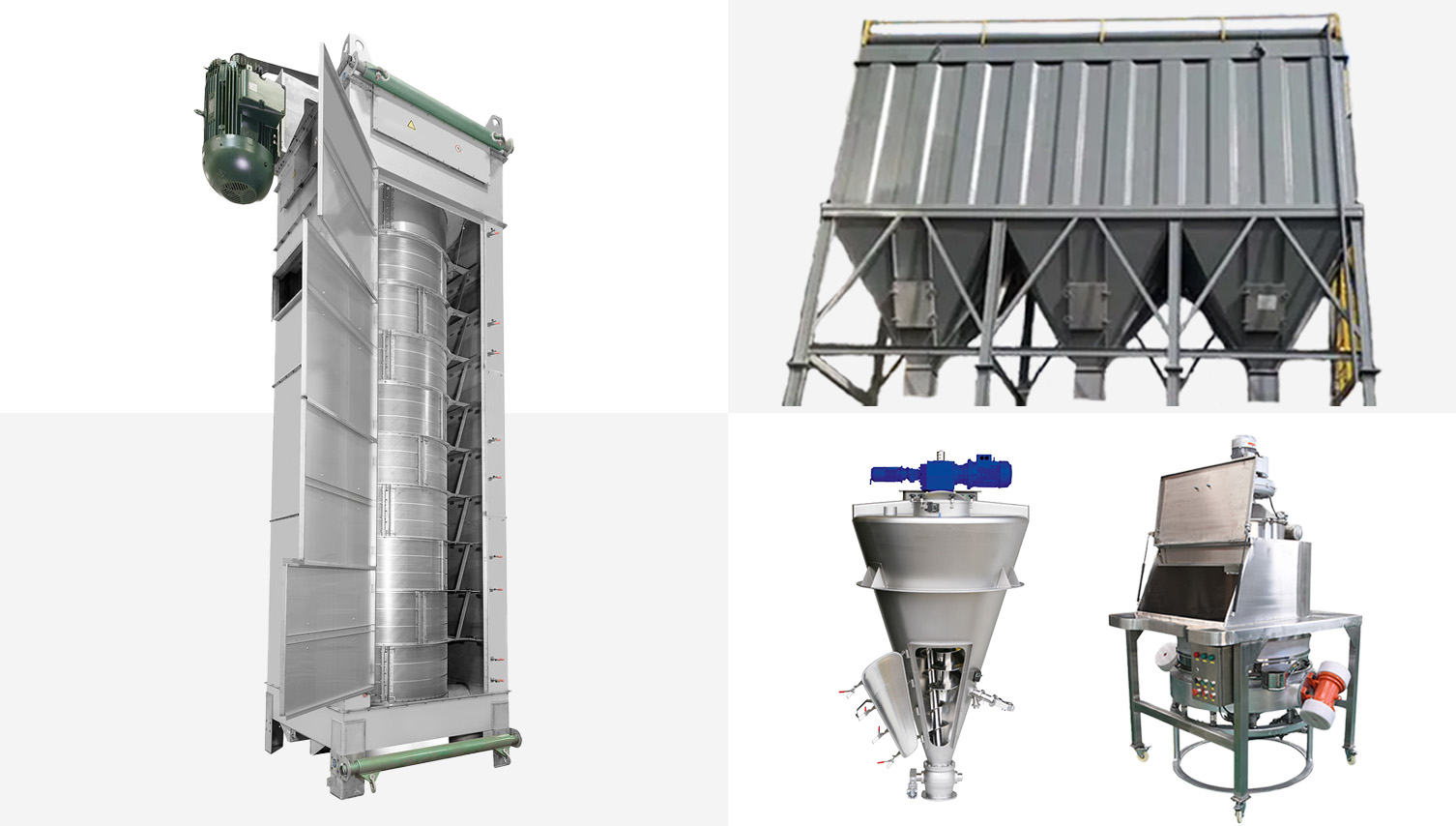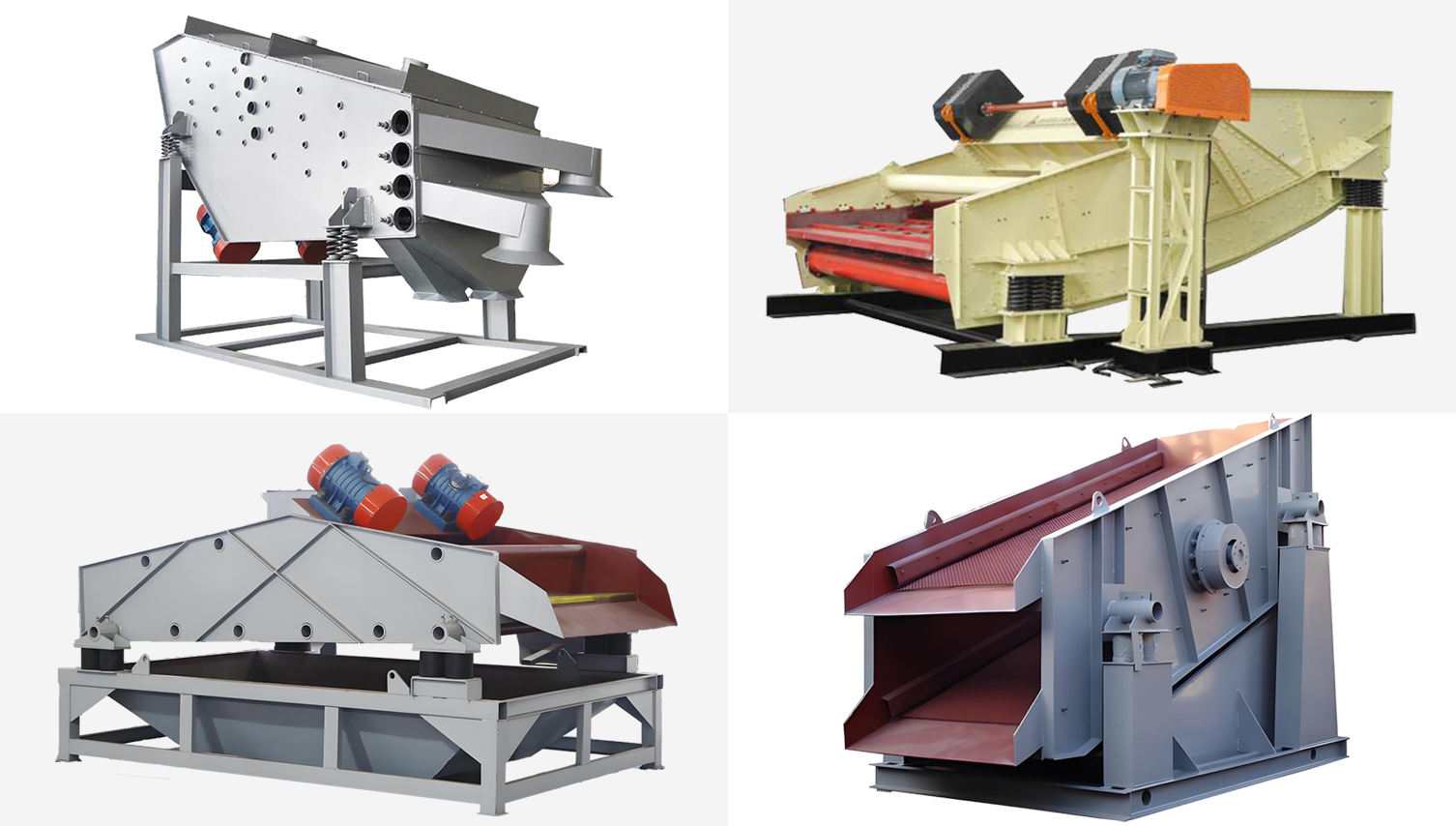
The biggest headaches on screening sites are not equipment shutdowns, but three intertwined problems: fine powder mesh fouling, wet material aperture jamming, and brittle material pulverization.
Conventional vibrating sieves adopt a crude and helpless solution: increase amplitude and frequency for a brute‑force clearance. Yet the outcome is often counter‑productive. Instead of unclogging the mesh, materials get crushed. Higher output brings more returned material, which in turn worsens clogging. The screening process degenerates from classification into material destruction. Operators are trapped in constant battles against mesh blockages, and production capacity is capped far below equipment limits.
The square swing sieve takes a totally different approach. Rather than fighting against materials, it works in accordance with their physical properties. It adopts a three‑pronged solution: compound swing motion, self‑cleaning mesh system and flexible mesh surface management, to simultaneously cut mesh‑clogging rate, material loss rate and mesh‑replacement frequency.
Why do fine powders foul screening meshes?
Traditional vibrating sieves rely on high‑frequency vertical excitation force. Materials are repeatedly tossed up and dropped. Each impact against the mesh resembles hammering. Fine powders get pressed into mesh apertures upon impact. Coupled with static adsorption and moisture, a dense powder film quickly forms. Mesh openings shrink progressively, leading to a sharp drop in screening efficiency.
How does the square swing sieve solve this problem?
It features a compound swing trajectory combining back‑and‑forth reciprocation and left‑right gyration. Materials roll and translate on the mesh surface under low acceleration, instead of bouncing vertically. The self‑cleaning system serves as the first line of defense. An array of bouncing/silicone balls is installed beneath each mesh layer. These balls strike the bottom of the mesh synchronously with sieve‑box oscillation. Uniform and moderate tapping prevents mesh damage while shaking off adhered powder particles. For moisture‑absorbent and agglomeration‑prone sticky materials such as calcium carbonate, starch, urea and resin powder, the mesh‑clogging rate can be stably kept below 2%, with no manual intervention required.
Vibrating sieves deliver acceleration of 5‑15 g. Materials are thrown dozens of millimeters high and fall freely onto the mesh surface. For spherical, flaky or crystalline materials, every impact causes damage: micro‑cracks form in edible sugar, flaky metal powders break into fragments, edges of ceramic blanks get rounded off, and pill granules shed surface powder.
Protection principles of the square swing sieve:
Its sieve‑box acceleration is controlled within 1‑3 g. The maximum bounce height of materials on the mesh surface is no more than 3‑5 mm. Materials are gently agitated rather than violently ejected. Its practical protective effects are shown as below:
Crystalline materials: post‑screening crystal integrity rate ≥ 98%. The broken‑crystal rate drops from 5%‑8% for conventional sieves to less than 0.5%, delivering better finished‑product appearance and dissolving performance.
Powder & magnetic materials: morphology retention of flaky and acicular particles is greatly improved, ensuring stable packing density and sintering strength in downstream compression molding.
Granular materials: free of surface powder shedding and shell cracking, meeting requirements for appearance and uniform ingredient content.
Blanks & abrasives: complete edge retention, narrow particle‑size distribution for classified products, and higher processing efficiency in downstream procedures.
The “slower” operation of square swing sieves preserves the intrinsic value of materials. For high‑value‑added products, every 1% reduction in material loss during screening translates into hundreds of thousands of net profit per year.
The ultimate mission of screening equipment is not merely material separation, but to deliver materials to designated destinations in optimal condition. By bionics‑inspired design, the square swing sieve brings the patience and precision of manual sifting into industrial production: no brute force, no waste, no compromise.
When mesh clogging ceases to be a daily nuisance, material fragmentation is no longer inevitable, and dust pollution gets under control, quality control of production lines shifts from reactive troubleshooting to proactive value preservation. Choosing a square swing sieve means choosing respect for raw materials, pursuit of quality and commitment to long‑term value. It is more than equipment replacement; it represents a new production philosophy.
Meticulous Screening for Distinct Particles
Mirant Xinxiang Machinery Co., Ltd.