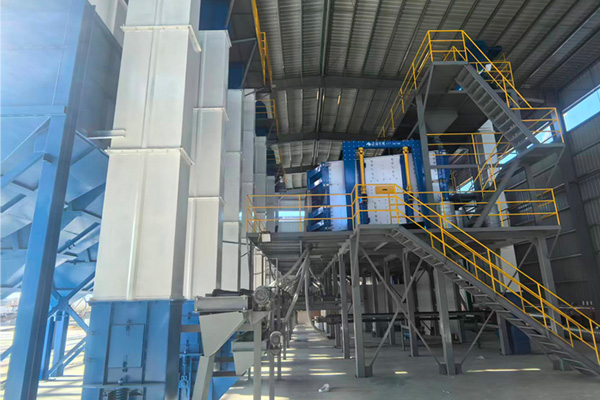
During production, excessive material accumulation in the bottom base of the bucket elevator leads to excessive digging resistance, causing severe bucket wear, belt slippage, or even complete machine shutdown. Severe blockage at the bottom of the casing can also result in dust spraying outwards, polluting the environment and significantly impacting normal production. Severe blockage can even cause the motor to burn out. Furthermore, sudden shutdowns due to power outages or other malfunctions can also easily cause blockages in the base.
Cause Analysis
1. Uneven feeding, fluctuating amounts: When the feed rate exceeds the lifting capacity, material gradually accumulates in the base, increasing bucket running resistance and eventually leading to blockage.
2. Excessive backflow: Some material cannot enter the discharge pipe and returns to the base, increasing material accumulation and causing blockage.
3. Sudden shutdown causing reverse rotation: Sudden shutdowns due to power outages or other malfunctions can cause unequal mass between the lifting and returning branches, resulting in the elevator reversing. Material in the buckets pours into the base, easily causing blockages upon restarting.
4. Belt slippage: Belt slippage reduces the lifting capacity of the elevator, leading to increased material buildup and blockage within the machine base.
5. Large foreign objects entering the machine base: Large foreign objects entering the machine base can cause blockage, resulting in jamming.
6. Insufficient elevator conveying capacity: Inappropriate equipment selection or failure to adapt to process upgrades can lead to a "small horse pulling a large cart" phenomenon (where the machine is under-equipped for the task).
Solutions
1. Strictly control the feed rate: Start the machine under no-load conditions and gradually open the feed gate. Observe the material rising through the front viewing window of the machine base. When the material level reaches the horizontal axis of the bottom wheel, the feed gate should not be opened further.
2. Reduce backflow: Adjust the discharge port position and discharge tongue to ensure all material enters the discharge pipe, reducing backflow.
3. Install a check valve: Install a check valve on one side of the bucket elevator's main shaft to prevent the elevator from reversing and avoid material backflow into the machine base.
4. Increase tension: Check and adjust the belt tensioning device to prevent belt slippage and restore lifting capacity.
5. Install protective mesh: Install protective mesh at the feed inlet to prevent large foreign objects from entering the machine base, eliminating material jamming at the source.
6. Increase conveying capacity: For insufficient conveying capacity, measures such as shortening the bucket distance, increasing the number of buckets, and adjusting the speed ratio of the main and driven wheels can be taken; at the same time, the bucket size should be reasonably designed, and a reasonable unloading method should be selected.
Preventive Measures
Strictly adhere to the operating principle of "uniform feeding" and prohibit sudden increases in feed rate. Start the machine under no-load conditions, and empty all material from the buckets before stopping. Ensure the discharge port is unobstructed to prevent malfunctions caused by a sudden increase in material after unblocking.