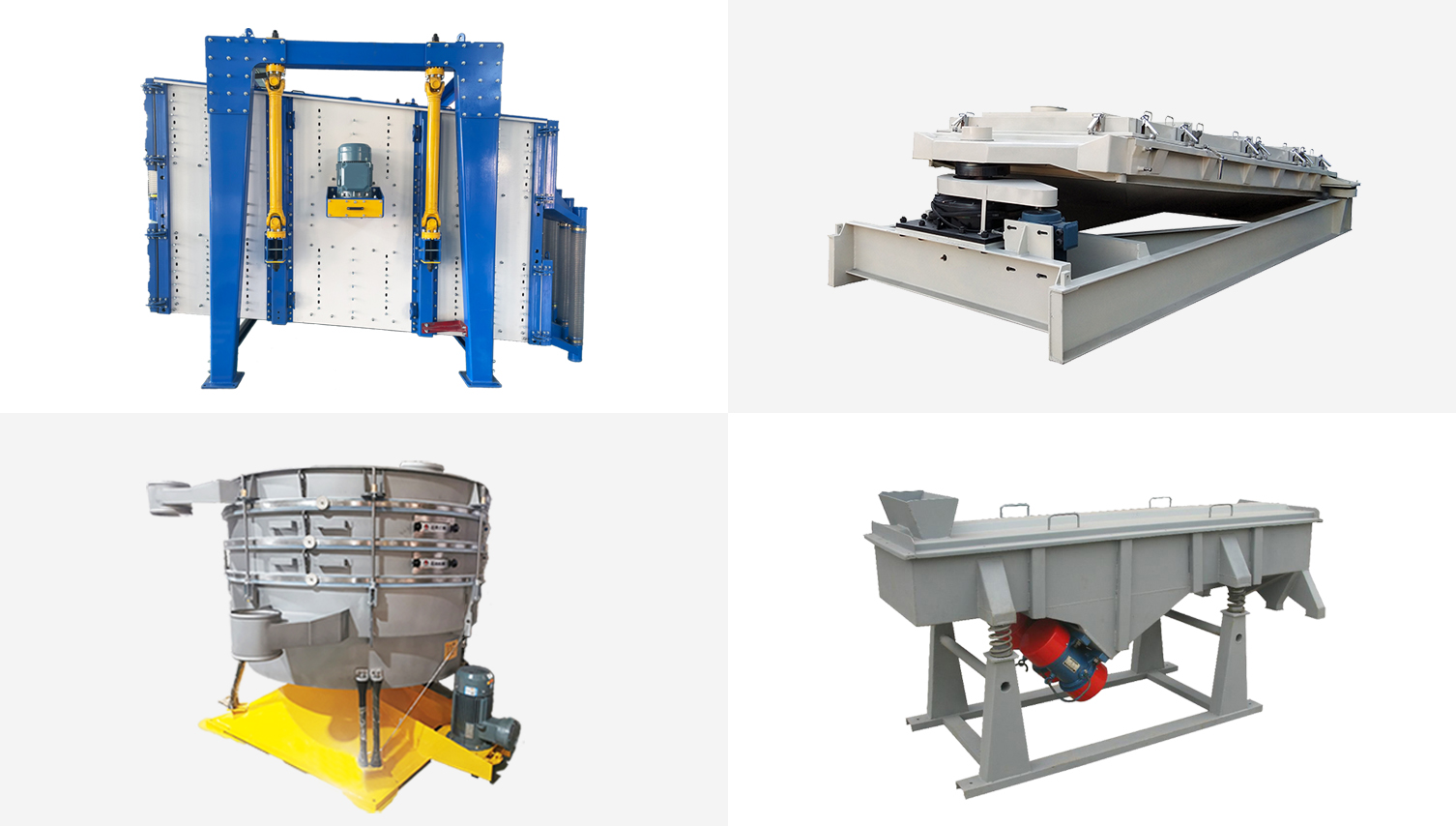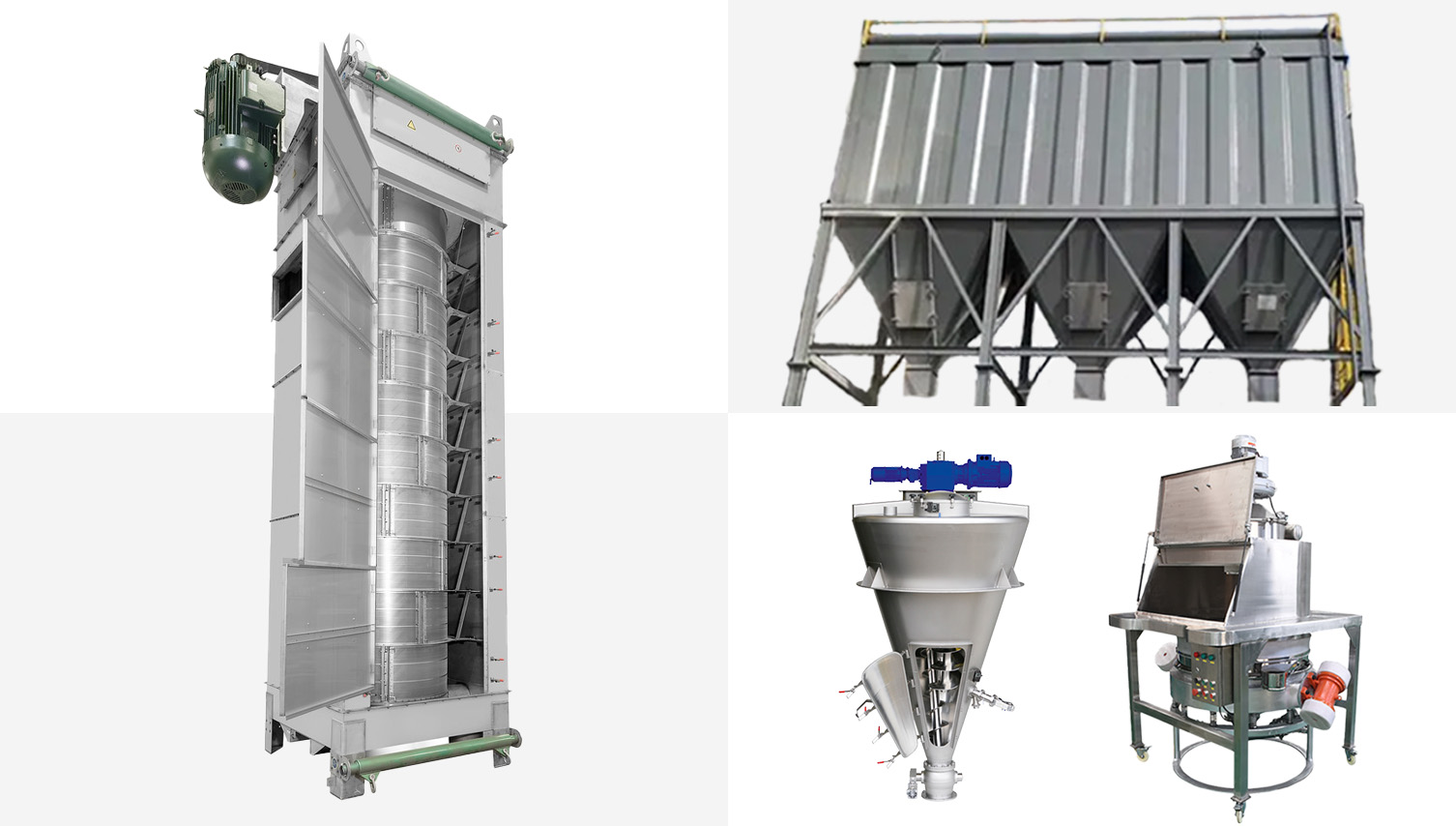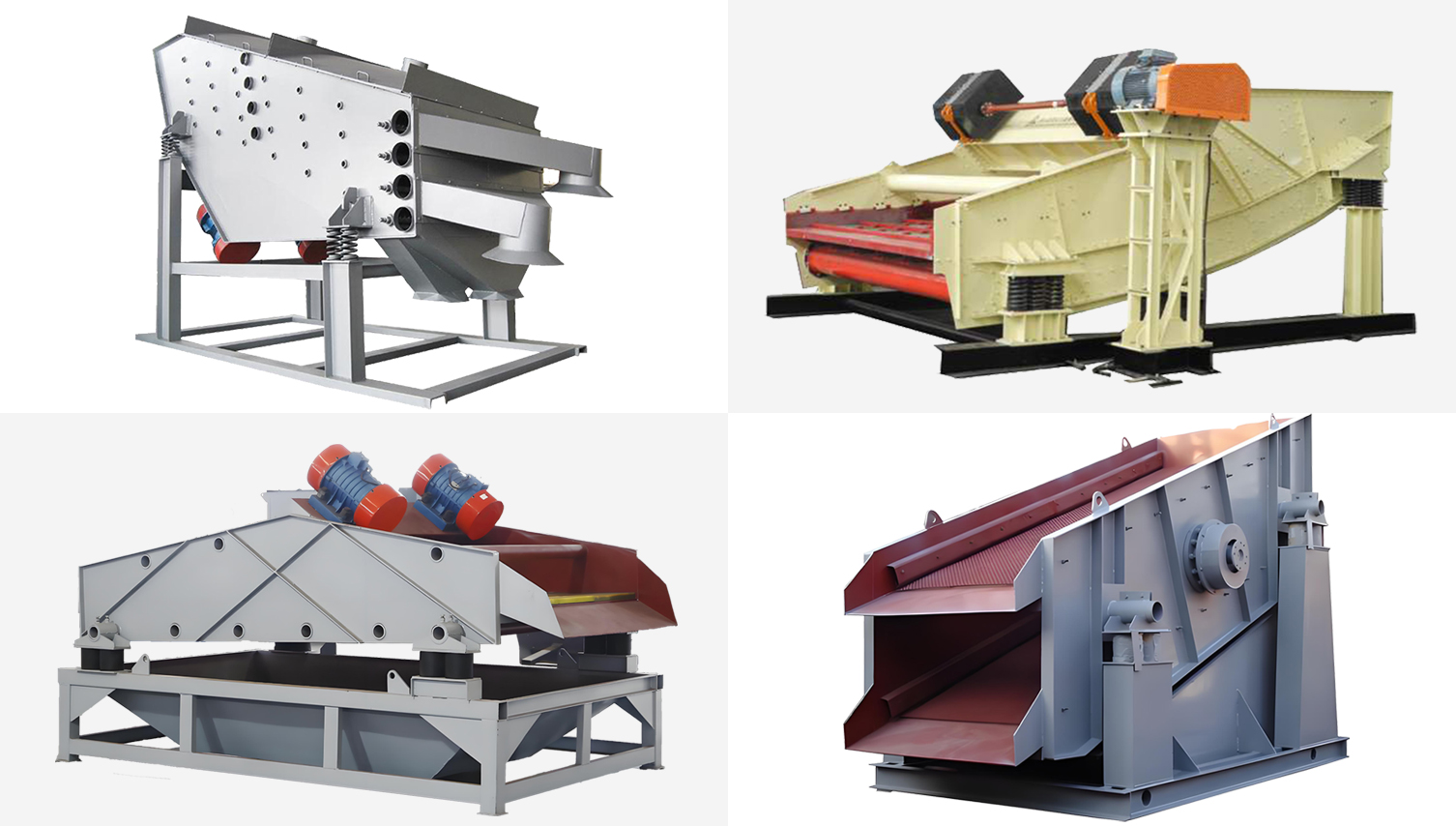
The core essence of screening operations is the refined grading and screening of materials. The process is highly dependent on the continuity, uniformity, and stability of material feeding. Problems such as inconsistent feeding speed, material interruptions, material accumulation, and conveying fluctuations directly lead to a series of production issues, including decreased screening accuracy, incomplete grading, substandard finished product specifications, and unstable production line capacity. The core value of bucket elevators lies in providing continuous, uniform, and precise material conveying for screening production lines, optimizing screening quality from the material supply side.
Bucket elevators rely on a closed-loop circulating operation mode to achieve 24-hour uninterrupted continuous material supply. After the equipment starts, the buckets circulate repeatedly to complete the entire process of material intake, lifting, and unloading, without operational intervals or manual stoppages. This ensures a continuous supply of materials to the screening unit, completely eliminating material interruptions and stoppages during screening operations. Traditional conveying equipment is prone to malfunctions such as material jamming, slippage, and blockages, frequently causing the screening equipment to idle or standby, reducing production efficiency and causing idle wear and tear on the screening equipment. The bucket elevator operates with a simple and smooth logic, ensuring continuous material conveying without dead zones and maximizing production line capacity by maintaining full-load, stable operation.
Its uniform speed and quantitative conveying characteristics guarantee screening accuracy and grading uniformity. The conveying speed of the bucket elevator can be precisely controlled by the drive unit. With uniform bucket specifications and even arrangement, and constant single-batch feeding and unloading volumes, it achieves uniform and quantitative material conveying, ensuring that the thickness and density of the material entering the screening equipment remain uniform and stable. The screening efficiency and grading effect of the equipment are directly related to the material feeding state. Uniform feeding avoids problems such as material accumulation and screen blockage, and uneven material stratification, allowing the material to fully contact the screen, improving the thoroughness of screening and grading, effectively reducing material residue and mixing, and significantly improving the quality stability of the finished product.
The buffered conveying principle maximizes the protection of material integrity. Some screening operations require high material integrity; material breakage and pulverization directly affect the quality of the finished product. The bucket elevator operates smoothly and gently throughout the entire process of material intake, lifting, and unloading. Bottom intake utilizes a low-speed scooping mode, eliminating forceful digging and material compression/collision. During vertical lifting, material rises steadily with the buckets, without tumbling or violent friction. Top unloading relies on gravity and centrifugal force for a smooth drop, avoiding violent impacts from height. The entire conveying process preserves the original shape of the material to the greatest extent possible, reducing material breakage and pulverization, and preventing the increase of substandard powder materials. This ensures the quality standards of the screened product from the conveying stage, adapting to the needs of fine screening production.
Controllable conveying capacity adapts to the capacity adjustment needs of screening production lines. Screening production lines adjust their operating capacity according to production needs, requiring high adaptability of the conveying equipment's speed control. The bucket elevator supports stepless speed regulation, allowing flexible adjustment of material conveying speed and volume based on the real-time operating efficiency of the screening equipment. This achieves precise matching between conveying capacity and screening capacity, avoiding screen blockage and material accumulation caused by overfeeding, and also eliminating capacity waste caused by underfeeding. This flexible and adaptable conveying characteristic makes the operation rhythm of the entire screening production line more controllable and efficient, and can perfectly adapt to screening operations with different production conditions and different capacity requirements.