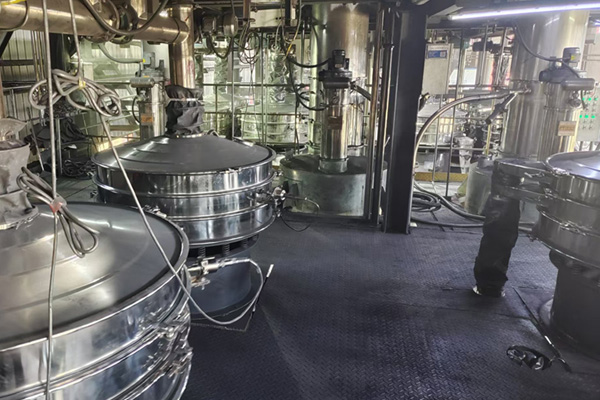
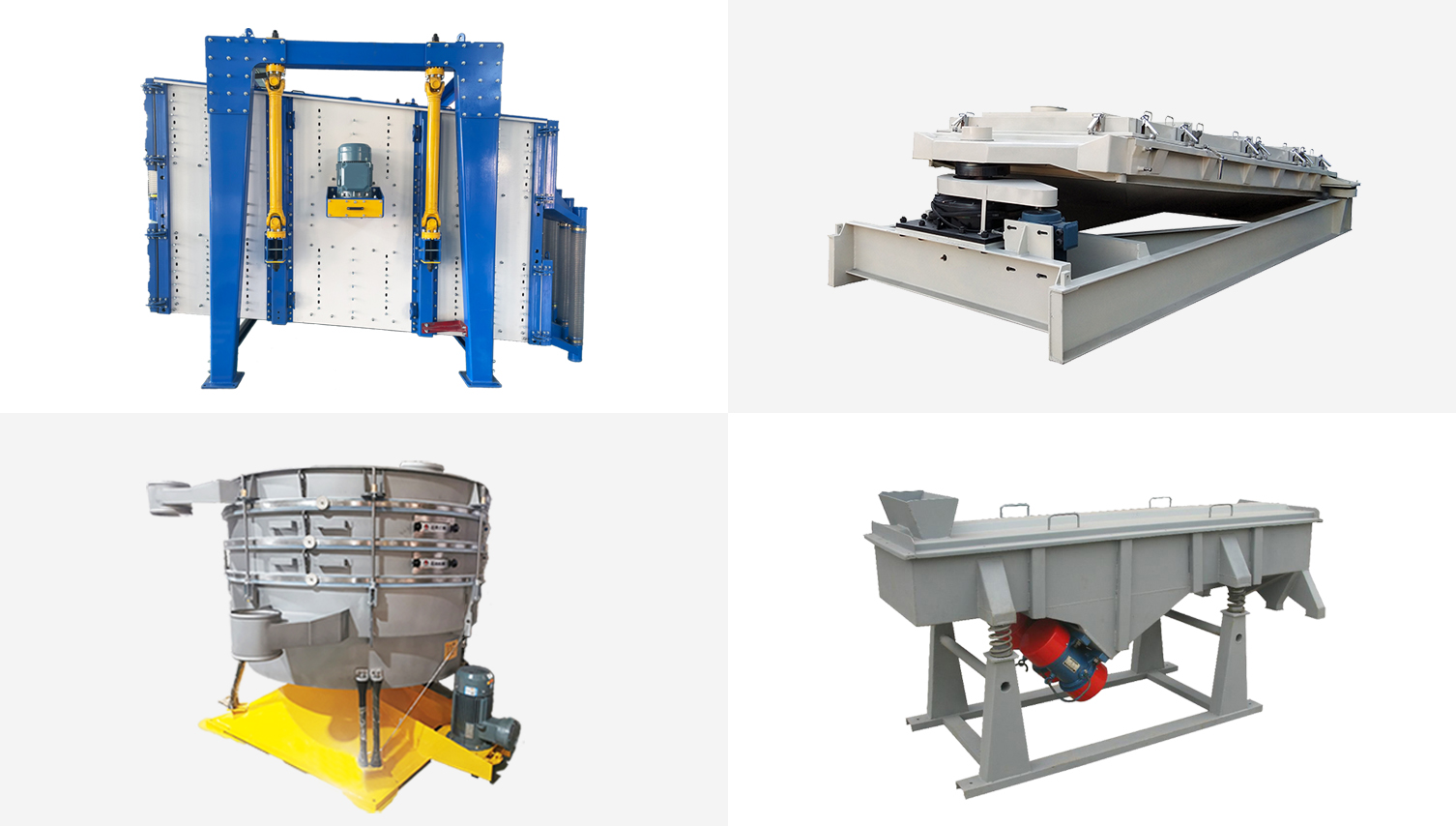
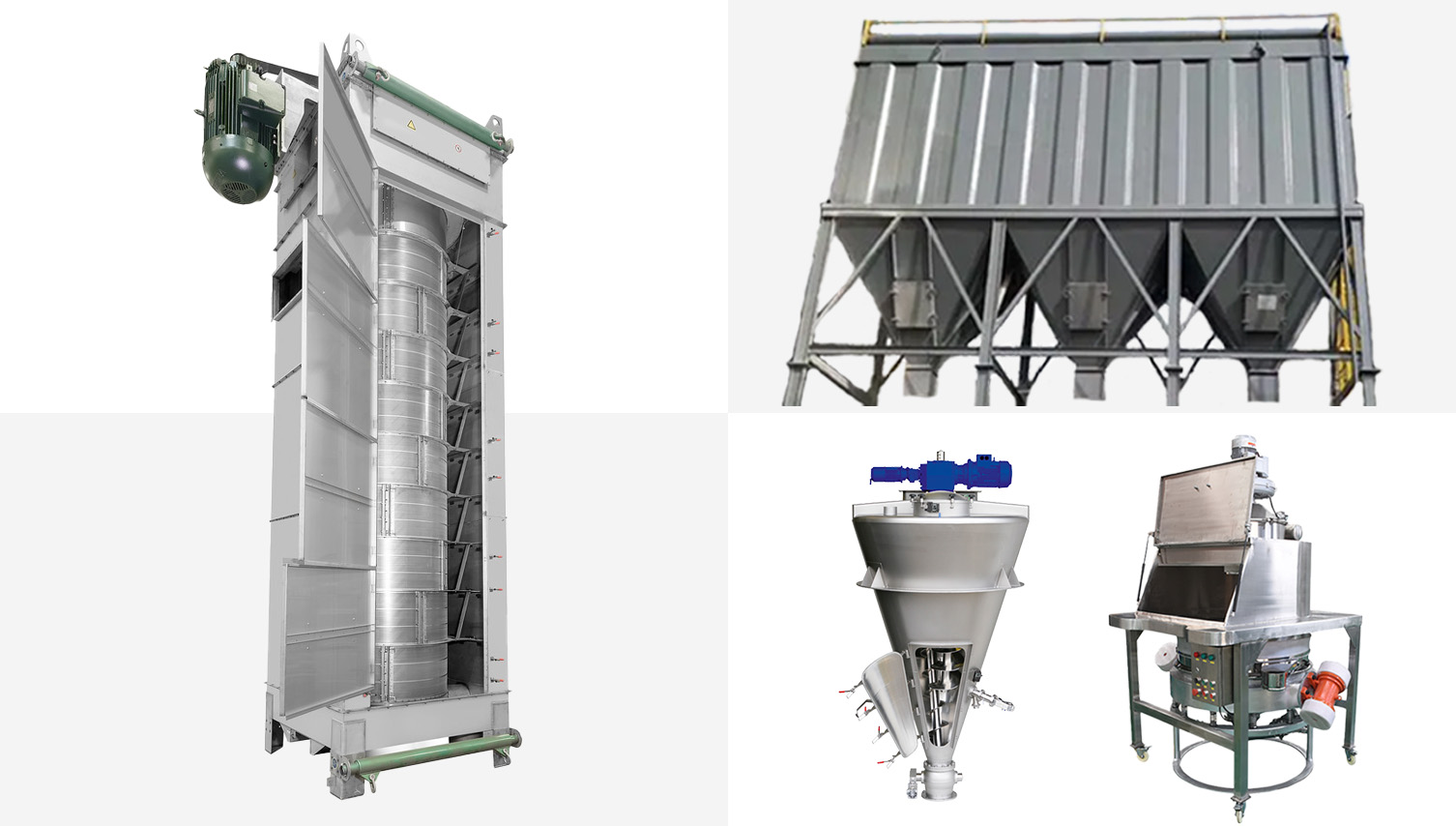
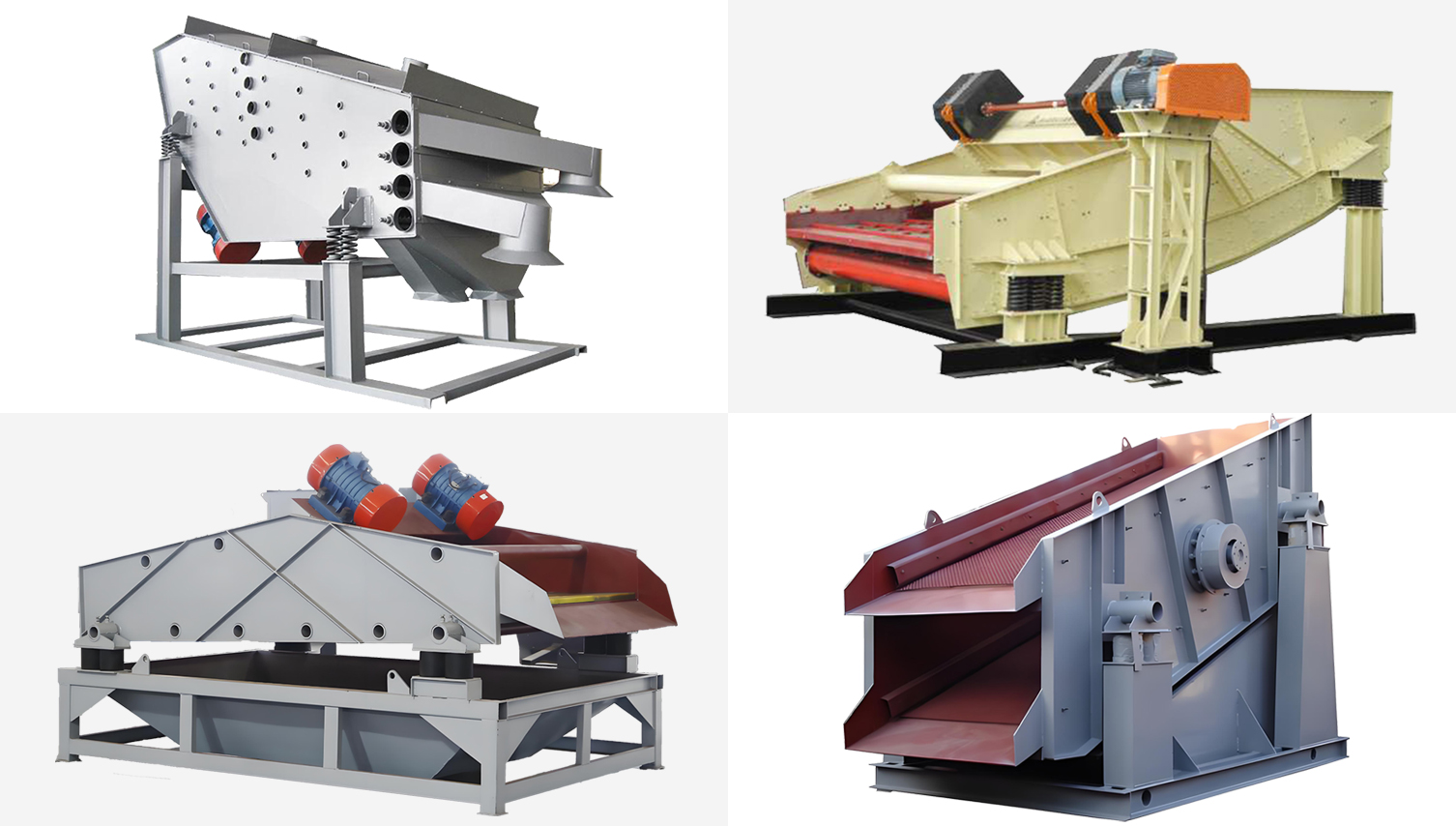
Mesh clogging has long been the primary bottleneck restricting production efficiency and product quality in the field of fine powder screening. Traditional vibrating screens frequently face downtime for manual cleaning and declining output when processing difficult-to-screen materials, including high-static resin powder, easily agglomerated battery materials, and high-precision pharmaceutical raw materials.
The ultrasonic vibrating screen system consists of four core components: an ultrasonic resonance power supply, an ultrasonic transducer, a resonance ring, and an outer mesh ring. The high-frequency electrical oscillation generated by the resonance power supply is converted into high-frequency sinusoidal longitudinal vibration waves by the transducer and transmitted to the entire screen mesh through the resonance ring. The core advantage of this technology lies in its composite motion mode. Unlike traditional vibrating screens that rely solely on mechanical vibration to drive material movement, ultrasonic vibrating screens overlay high-frequency ultrasonic micro-vibration on the basis of mechanical vibration, forming a dual working mechanism of low-frequency large-amplitude material projection + high-frequency micro-vibration mesh cleaning. Materials on the screen surface perform three-dimensional rotational vibration and high-frequency ultrasonic micro-vibration simultaneously.
The system converts 220V, 50Hz conventional electric energy into 33–39KHz high-frequency electrical energy, which is further transformed into mechanical vibration of the same frequency by the ultrasonic transducer and delivered to the screen mesh via the vibration ring. On the basis of the three-dimensional vibration of traditional screens, a low-amplitude, high-frequency ultrasonic wave is superimposed on the mesh surface. When this micron-level high-frequency vibration acts on the screen mesh, ultra-fine powder materials obtain powerful ultrasonic acceleration and maintain a low-altitude suspended state on the screen surface. This suspension effect fundamentally eliminates the four major causes of mesh clogging: material adhesion, friction, flat deposition, and mesh wedging.
The ultrasonic vibrating screen boosts screening accuracy by 1% to 70% and increases production capacity by 0.5 to 10 times, with a maximum material passing rate increase of 400% for specific materials. It turns the industrial production of ultra-fine powders above 500 mesh from an impossible challenge into an effortless process for manufacturers. Equipped with a thorough self-cleaning mesh function, the equipment completely eliminates frequent shutdowns for mesh cleaning. Without auxiliary cleaning components such as bouncing balls, it effectively avoids secondary material pollution. The original mesh aperture size is permanently maintained, ensuring consistent and stable screening accuracy at all times.
Mesh blockage is not an isolated problem for individual enterprises or industries, but a systematic challenge faced by the entire fine powder processing sector. The ultrasonic vibrating screen addresses this industry-wide pain point through innovative physical principles. Instead of simply dredging clogged meshes, it prevents clogging from the source. As more enterprises recognize that frequent shutdown cleaning wastes not only labor and time, but also market response speed and cost competitiveness, the ultrasonic vibrating screen has evolved from an optional device into an indispensable cornerstone of efficiency for industrial upgrading.
Distinct Particles, Intelligent Screening
Mirant Xinxiang Machinery Co., Ltd.