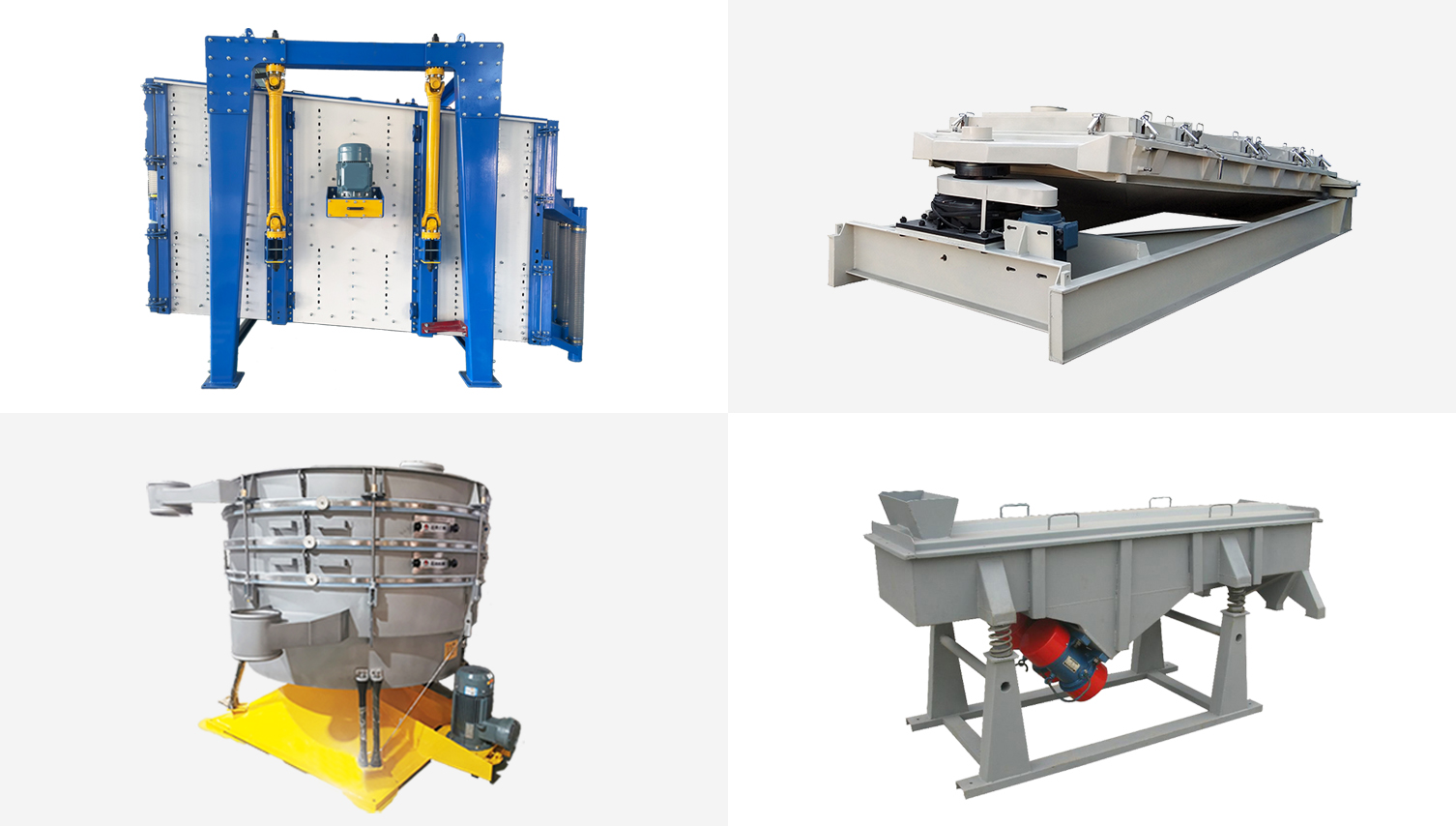
Within the swing sieve family, square swing sieves and circular swing sieves are the two major mainstream types. Many enterprises struggle during equipment selection, wondering whether to opt for the square or circular model. In fact, these two types of equipment each have their strengths and are designed for distinctly different application scenarios. Only by fully understanding their differences can you make a sound decision.
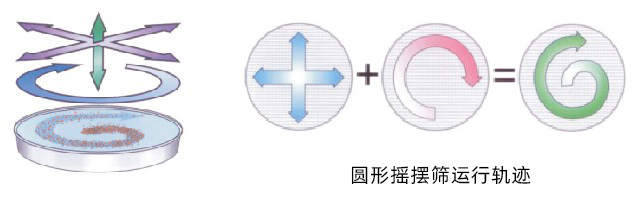
The most essential distinction between square swing sieves and circular swing sieves lies in their motion trajectories. Mimicking manual screening movements, the square swing sieve performs gentle, nearly linear horizontal elliptical or reciprocating motion. Materials travel slowly across the screen surface like “taking a walk”, gradually approaching the screen apertures and passing through. By contrast, the circular swing sieve does not rely on direct motor drive to generate intense vertical or horizontal vibration. Instead, it adopts an ingenious inertial exciter and suspended drive structure to propel the screen box in a three-dimensional swinging motion similar to hand screening.

Operating trajectory of the rectangular gyratory screen
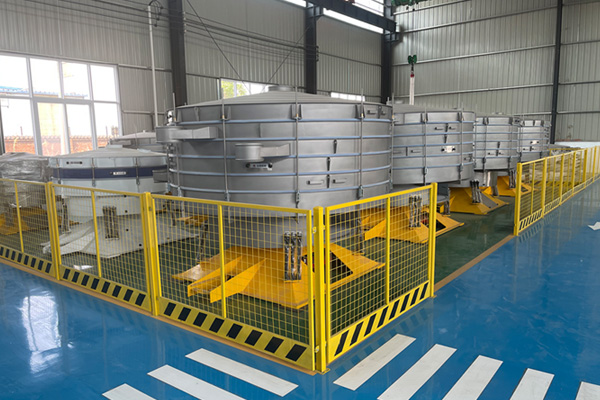
In terms of screening efficiency, the square swing sieve delivers high precision and high penetration rate, making it particularly suitable for hard-to-screen materials such as lightweight, sticky, fine powder and flocculent substances. The circular swing sieve applies the bionic gentle screening principle. It preserves the integrity, shape and physical properties of particles, effectively preventing fragmentation and deformation of flaky, brittle and fragile materials. The material breakage rate can be strictly controlled below 1%, which fits screening operations for various high-value and damage-prone materials.
When it comes to processing capacity, the square swing sieve holds a clear advantage. It features a larger screening area and longer travel path for materials, and can be equipped with up to 5 or more layers of screen meshes for sufficient screening and higher throughput. Its hourly processing capacity is far greater than that of the circular swing sieve. The mild swinging motion of the circular swing sieve reduces material impact on the screen mesh, so particles are less likely to jam the apertures. Meanwhile, the standard bouncing ball cleaning device strikes the underside of the mesh regularly to eject trapped particles, keeping the screen unclogged at all times and maintaining stable screening efficiency above 95%.
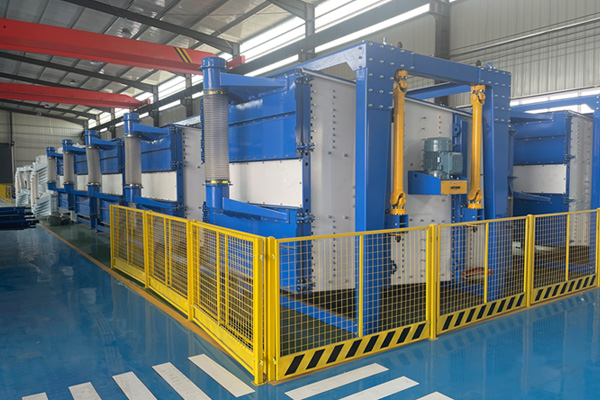
The circular swing sieve enables precise screening of spherical, flaky and irregular materials prone to mesh blinding. The square swing sieve efficiently screens powdery materials including chemical fertilizers, starch, metallurgical powder, metal powder and magnetic materials.
Regarding screening accuracy: the circular swing sieve is suitable for ultra-fine materials such as fine powders and small granules, while the square swing sieve works well for materials below 200 mesh, like ceramsite and barite. This does not mean the square swing sieve lacks precision — its screening accuracy can reach over 98%, which is more than adequate for most industrial screening requirements.
For installation conditions: the square swing sieve has low requirements for the foundation; a hardened floor is sufficient. The circular swing sieve, however, imposes strict requirements on the supporting ground, which must be hardened, level and free of obvious slopes.
Neither square nor circular swing sieves are universally superior; suitability matters most. If your enterprise faces throughput bottlenecks and needs to greatly boost processing capacity while maintaining screening precision, or if your production line requires continuous, large-scale operation with high standards for equipment stability and long-term operating costs, the square swing sieve is undoubtedly the wiser choice. If you frequently encounter problems such as material breakage, static buildup in powder, high raw material loss and poor finished product appearance — especially in industries with stringent requirements for material integrity and purity, such as food, pharmaceuticals, fine chemicals and new energy materials — the circular swing sieve is an excellent option for your screening line. Selecting the right equipment is not merely a purchasing decision, but a strategic investment in the operational efficiency of your production line for years or even decades to come.
Clear Particles, Intelligent Screening
Mirant Xinxiang Machinery Equipment Co., Ltd.