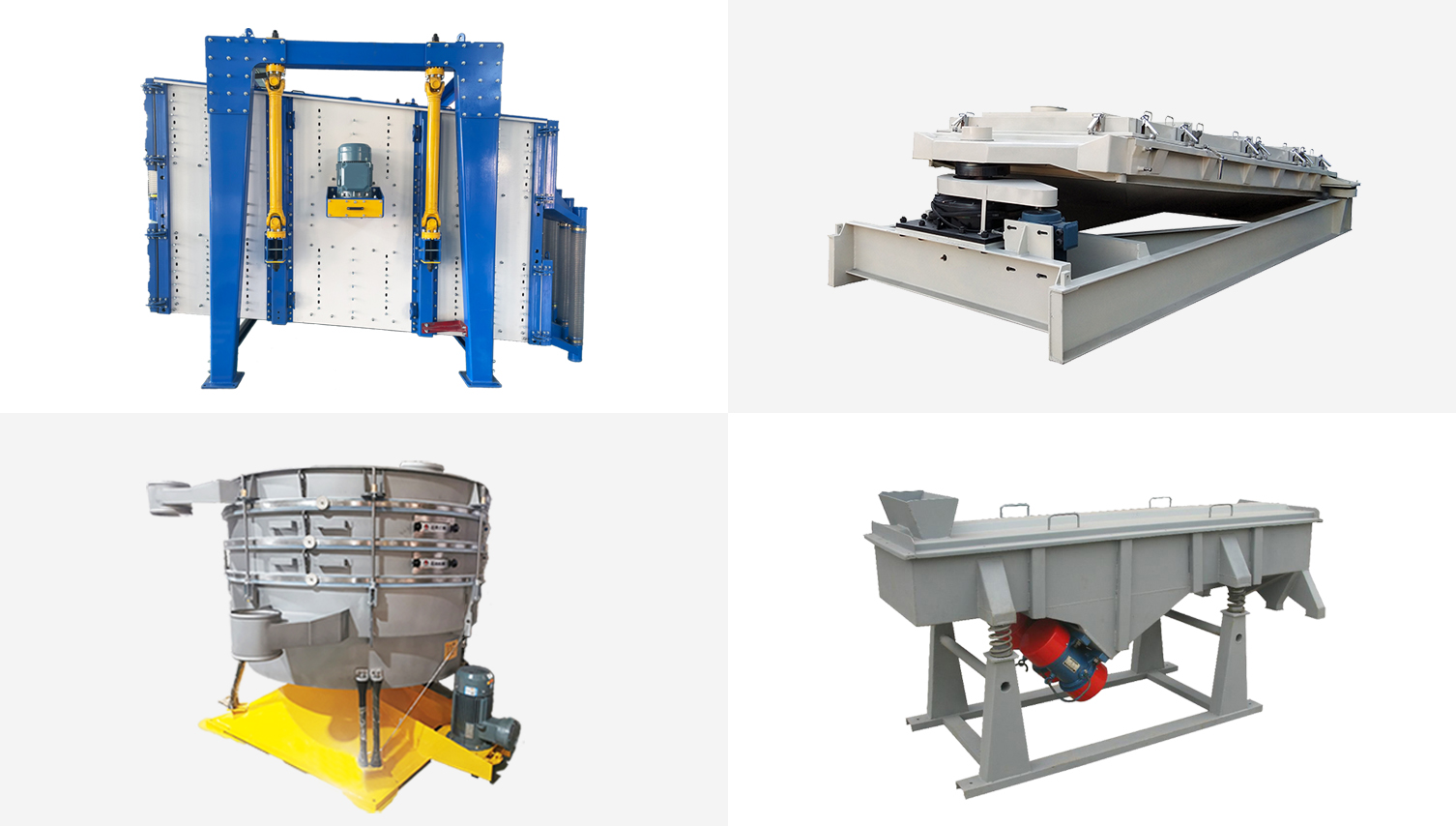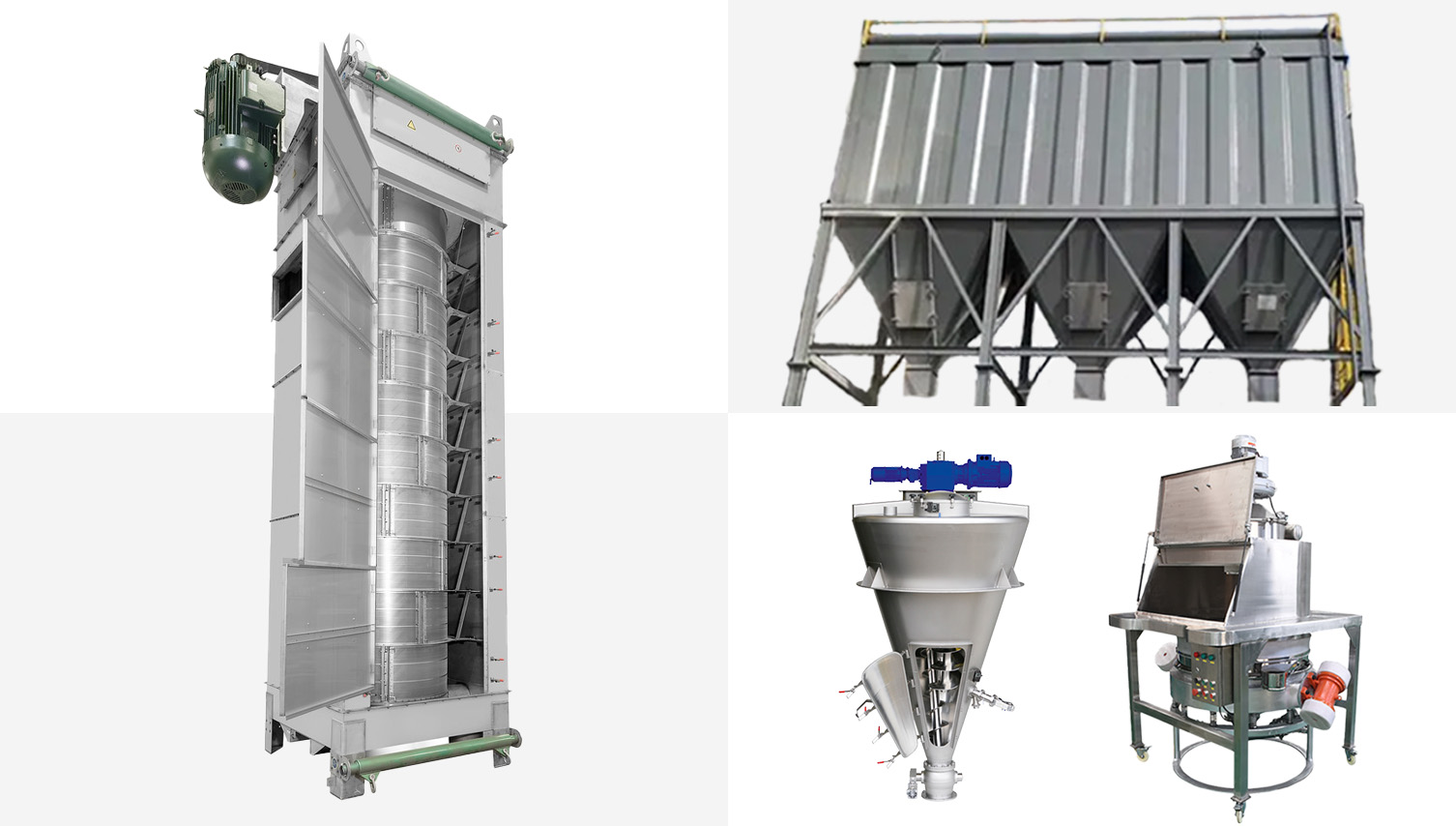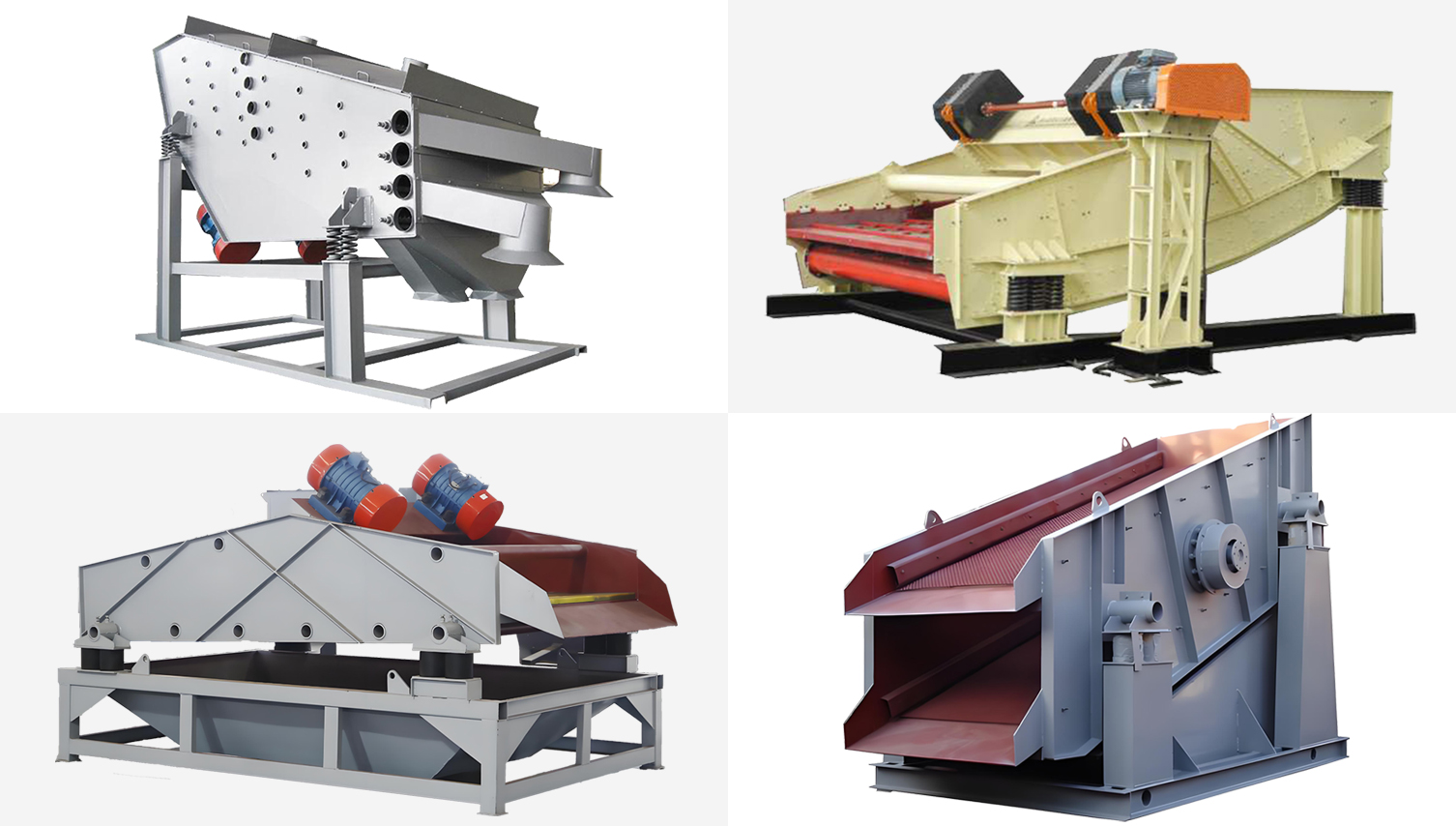
The value of a screening production line is ultimately reflected in whether the particle size distribution of the product can be controlled and whether batch quality remains stable. With this goal in mind, the Gyratory Screen, by combining high-precision classification with high processing capacity, has become the core equipment in the production line. Whether a piece of equipment can truly “understand” the material depends on its ability to control the way the material moves. The Gyratory Screen establishes a technical barrier for fine screening among various screening equipment precisely through its unique compound motion trajectory.
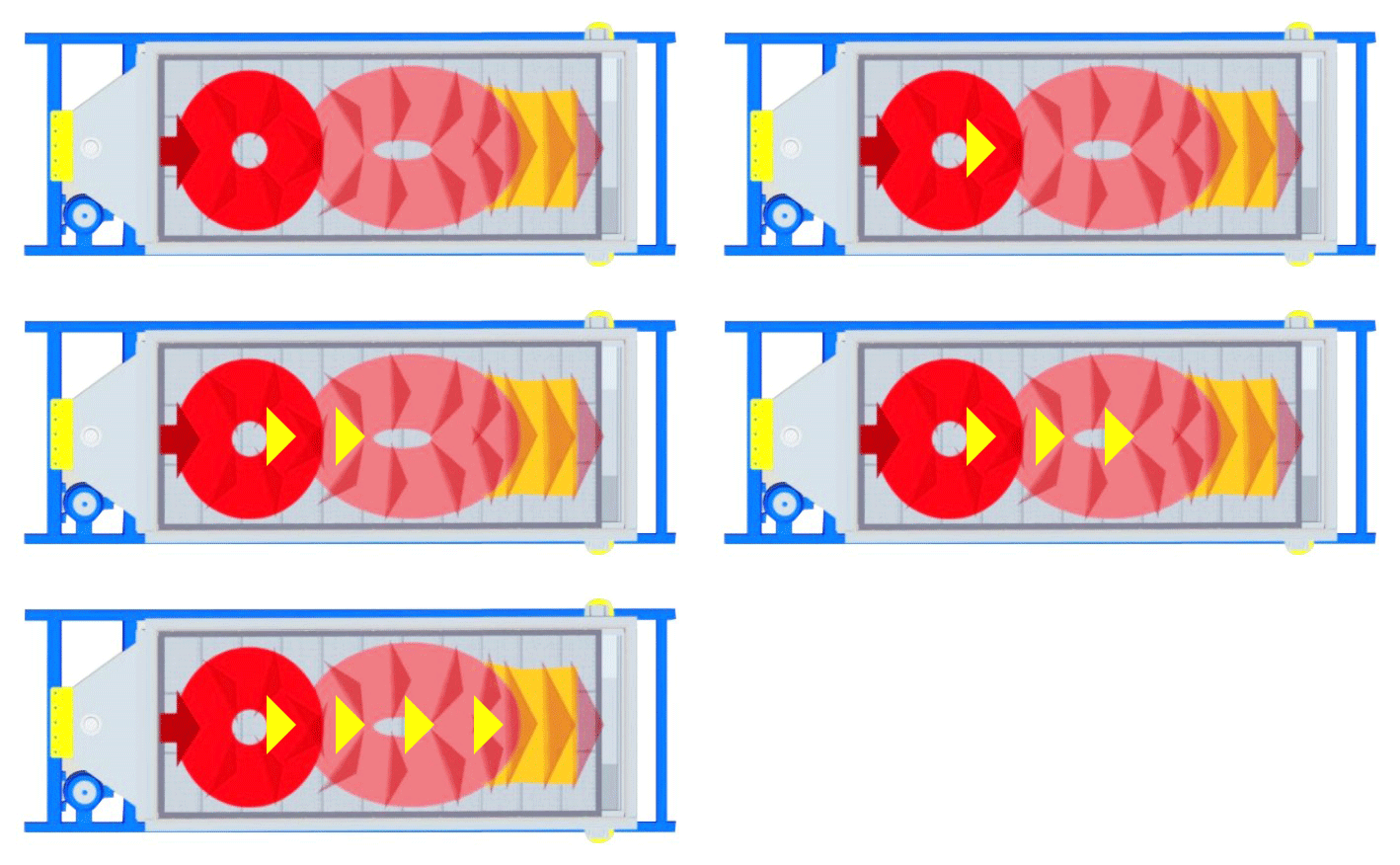
The core principle of the Gyratory Screen is to use an eccentric mechanism to drive the screen surface to perform a uniform reciprocating gyratory motion. The screen box, which usually has an inclination angle of 4° to 9°, is driven by the drive box. The movement trajectory of the material on the screen surface is not single or fixed, but presents distinctly different movement patterns in different areas. At the feeding end, the material moves in a horizontal circular motion. The key function at this stage is to rapidly and evenly distribute the concentrated fed material across the entire screen surface and achieve automatic classification, allowing the smaller particles beneath the material layer to obtain screening opportunities first. As the material moves toward the discharge end, the movement trajectory gradually changes into an elliptical motion. This transition stage takes into account both screening accuracy and conveying efficiency. When reaching the discharge end, the movement trajectory becomes an approximately reciprocating linear motion, the screening effect gradually weakens, and particles larger than the screen aperture are rapidly discharged from the machine. 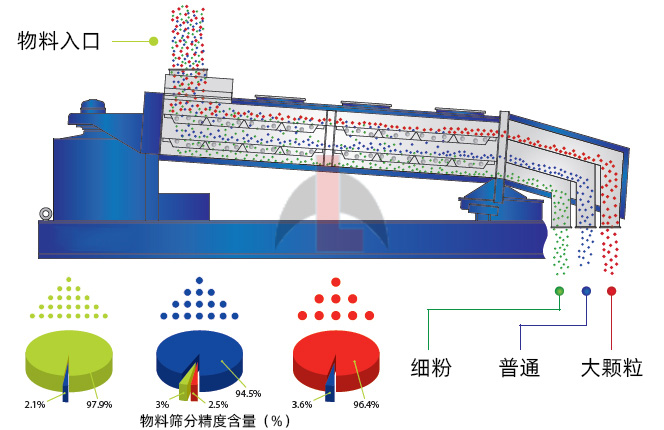
The primary advantage of the Gyratory Screen in a production line is the simultaneous improvement of screening efficiency and processing capacity. The equipment adopts a specific reciprocating rotary motion and a slightly inclined screen surface, allowing materials to pass through the screen quickly, with a larger effective screening area and higher screening efficiency and output. Compared with general vibrating screens, its processing capacity can reach several times or even higher. More importantly, this increase in output does not come at the expense of accuracy. Due to the use of the plane gyratory motion principle, the distribution of materials is significantly improved, the effective utilization of the screen surface is increased, and the powder content in finished materials is significantly reduced. For the chemical, food, and pharmaceutical industries that require strict control of particle size distribution, this characteristic is directly related to product qualification rates and customer satisfaction.
The multi-layer classification capability is another outstanding advantage of the Gyratory Screen in production line applications. The equipment can be designed with single-layer or multi-layer structures. Through proper screen mesh matching, it can simultaneously screen out multiple products with different specifications in one operation. Taking three-stage classification in soda ash production as an example, one machine can divide the material into three specifications: coarse particles (20 to 80 mesh, for glass manufacturing), medium particles (80 to 120 mesh, for detergent production), and fine particles (120 to 200 mesh, for food processing), greatly simplifying the production line layout and reducing equipment footprint and intermediate transfer processes. The screen replacement process is also designed to be simple and convenient. The screen compression structure is simple, enabling quick screen replacement and reducing downtime.
The fully enclosed structure provides a guarantee for production line stability from the perspective of the production environment. The Gyratory Screen adopts a fully enclosed design to prevent dust from flying, and, combined with the counterweight balancing design, the screening machine has low vibration and low noise, meeting environmental protection requirements. This feature allows the equipment to be directly deployed in cleanrooms or food and pharmaceutical production areas with high cleanliness requirements, avoiding the risk of cross-contamination caused by dust leakage. For factories where screening equipment needs to be installed on the second or third floor, the Gyratory Screen produces almost no vertical impact load on the ground, with extremely low foundation dynamic loads, and can operate stably without special reinforcement.
The core competitiveness of an efficient screening production line does not lie in the accumulation of parameters of individual equipment, but in whether all processes can form a smooth process loop. With its comprehensive capabilities of “high output without sacrificing accuracy, multi-stage classification without increasing complexity, and full enclosure without compromising environmental protection,” the Gyratory Screen precisely meets the core requirements for stability and consistency in fine screening processes. For enterprises that are transitioning from extensive production to precision manufacturing, choosing a Gyratory Screen means equipping the production line with a core that combines both efficiency and precision.
Distinct particles, intelligent screening
Mirant Xinxiang Machinery Co., Ltd.