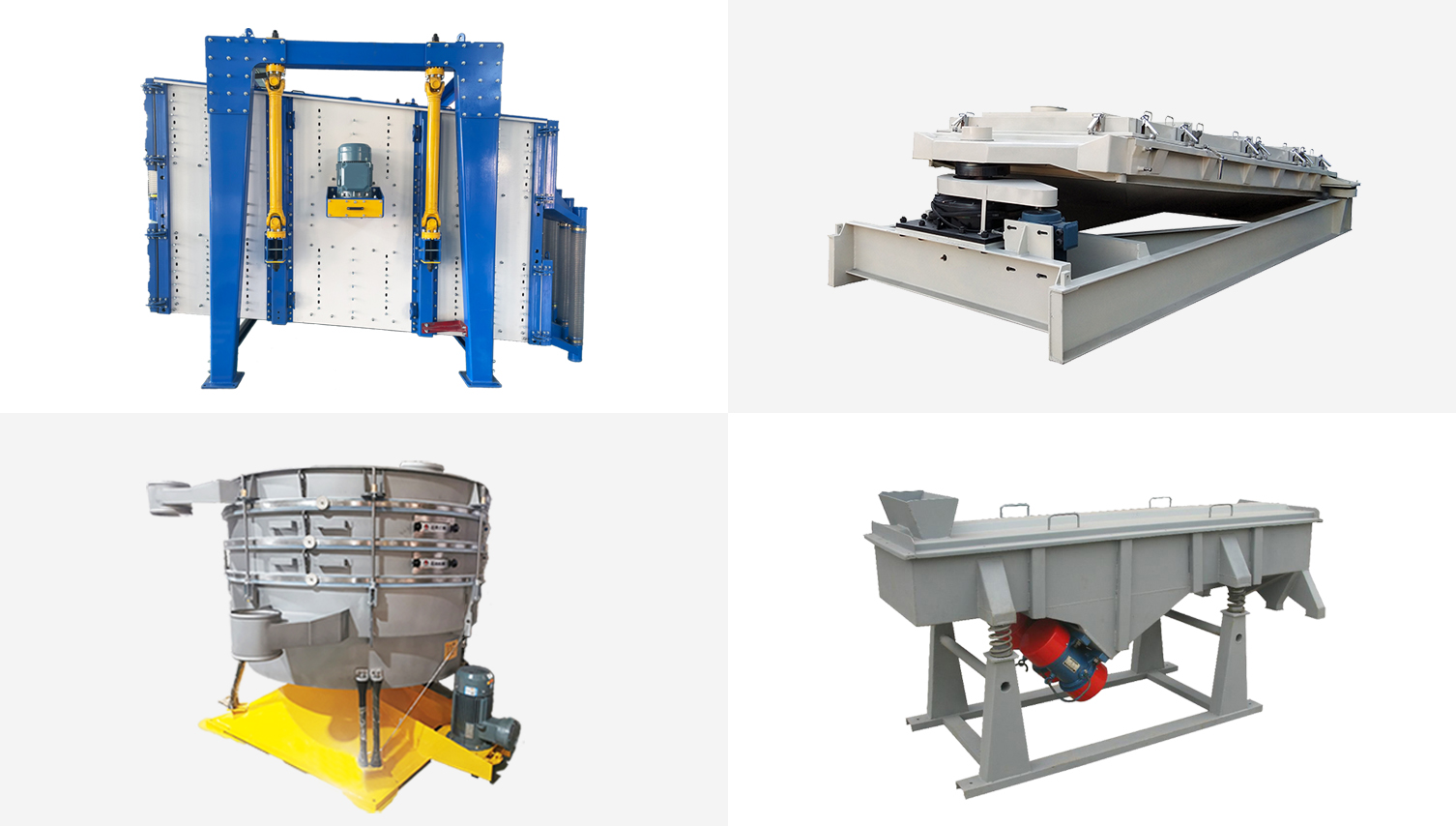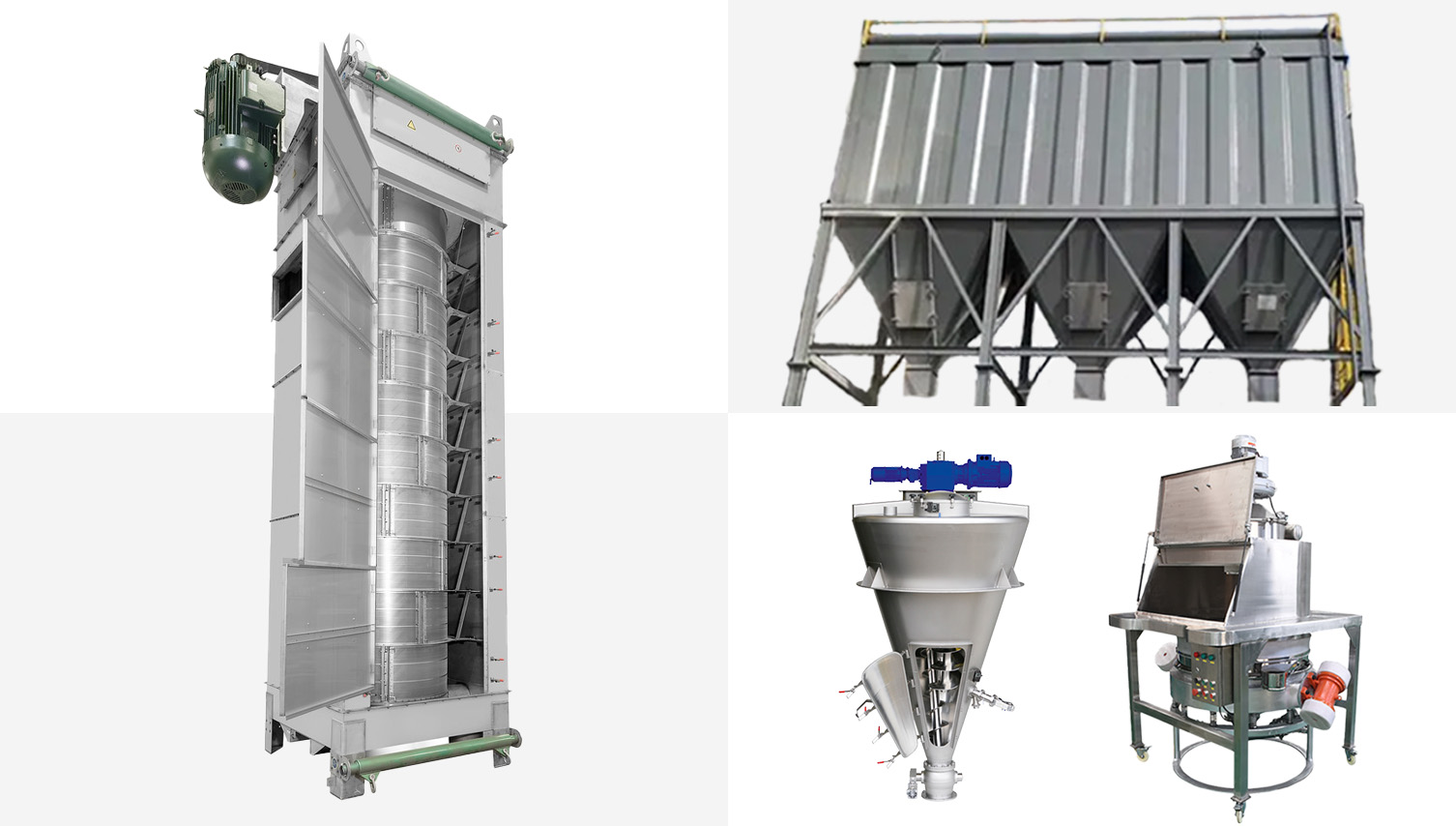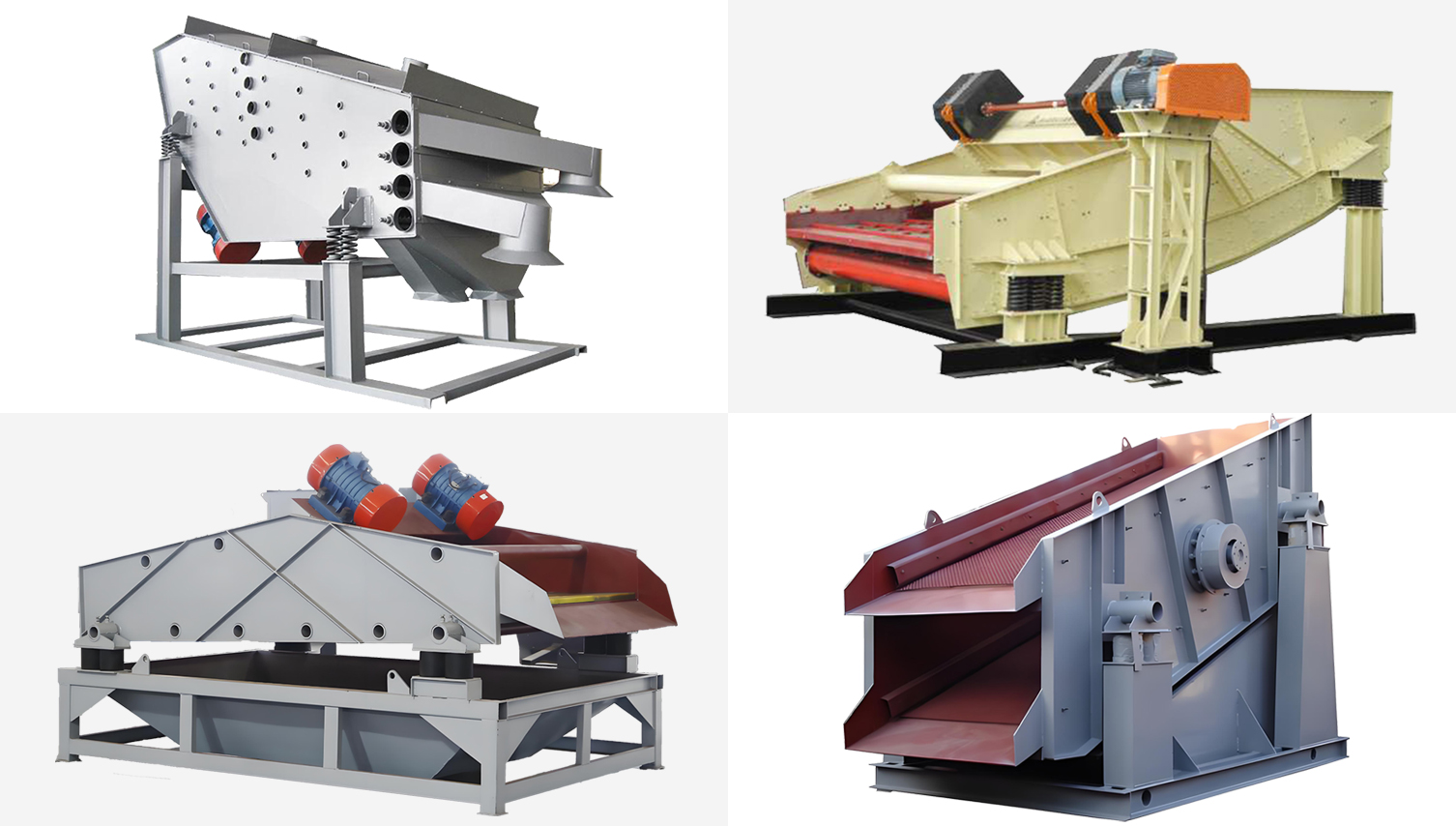
In screening operations, it is rarely the free‑flowing, uniformly‑sized “ideal materials” that truly test equipment performance. Instead, the real challenges come from “troublesome materials” featuring high hygroscopicity, strong viscosity and a tendency to blind and stick to the screen mesh. Materials such as urea, soda ash, damp powder and lightly‑agglomerated chemical feedstock frequently cause rapid mesh‑blinding and sharp drops in screening efficiency on conventional vibrating screens. The horizontal gyratory screen is purpose‑built to tackle these exact difficulties.
The outstanding performance of horizontal gyratory screens when processing viscous materials originates from their unique motion pattern. Once started, an eccentric drive box drives the screen deck to perform horizontal gyratory motion. At the feed end, material follows a circular horizontal path; this gradually transitions into an elliptical trajectory along the deck length, and finally changes into an approximately reciprocating linear motion at the discharge end.
Under this motion mode, materials do not undergo violent vertical bouncing. Instead, they slide gently along the screen surface and stratify softly. Critically, there is no churning or vertical jumping during material travel. Fine particles stay closely against the mesh and are ready to pass through sieve openings at any time. Unlike on vibrating screens where fine powder is repeatedly shaken up and slammed back into mesh apertures, fine particles achieve sieve passage in a nearly smooth downstream manner.
Meanwhile, ball‑type mesh‑cleaning assemblies are installed underneath each screen layer, continuously clearing the mesh during operation. Elastic balls strike the screen from below, dislodging particles stuck to the mesh surface or trapped inside sieve openings and keeping the screen unobstructed for extended runs. This dual mechanism — anti‑blinding via kinematic design plus blockage removal through self‑cleaning components — forms the core logic enabling horizontal gyratory screens to handle viscous feedstock.
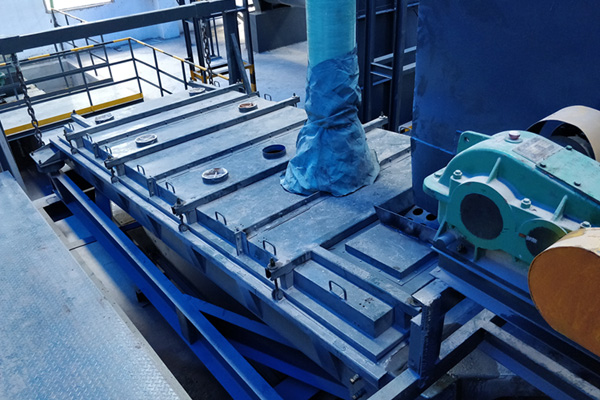
Urea screening represents one of the most typical application scenarios for horizontal gyratory screens. Urea readily absorbs moisture, which leads to severe mesh‑blinding. Conventional vibrating screens require frequent shutdowns for cleaning, seriously disrupting production continuity.
Horizontal gyratory screens excel in this application thanks to their distinctive kinematics. Materials move along with the screen in a reciprocating gyratory pattern without bouncing, maintaining constant contact with the mesh surface and greatly reducing the risk of aperture blockage. In addition, bounce‑ball cleaning units fitted under every screen layer move horizontally together with the screen frame, repeatedly hitting the mesh bottom to shake off trapped particles and guaranteeing long‑term stable continuous production.
Horizontal gyratory screens also deliver reliable performance for compound fertilizer and chemical granule processing. Taking sulfur‑based compound fertilizer production as an example, traditional screening setups mostly employ rotary drums or vibrating screens, suffering from unstable separation efficiency and excessive particle fracture.
Featuring special reciprocating gyratory movement and a low‑inclination screen deck, modern horizontal gyratory screens enable fast material passage. Equipped with automatic mesh‑cleaning systems, they target common production pain‑points including mesh adhesion, aperture blinding, insufficient screening accuracy and heavy dust emissions.
Most importantly, the equipment exerts minimal destructive force on particle structures and effectively reduces product loss caused by granule fracture. This benefit proves particularly valuable for compound fertilizer and feed production where particle integrity must be preserved.
The adaptability of horizontal gyratory screens for damp and lightly‑sticky materials further stems from their gentle material‑handling characteristics. Absent vigorous vertical vibration, particles are not repeatedly thrown and dropped on the screen deck. This suppresses fine‑dust generation and particle breakage.
Such mild processing maintains high screening accuracy while lowering the proportion of fine powder in finished products. According to field operating data, after retrofitting urea screening lines with horizontal gyratory screens, screening efficiency rises from 93%‑95% on conventional machines up to 98.5%.
The screening challenges of viscous and hygroscopic materials essentially stem from mismatches between equipment kinematics and material properties. Any screening approach with intense vertical impact will aggravate mesh‑blinding for sticky, moisture‑absorbent feedstock. Adopting a soft‑force philosophy, horizontal gyratory screens reshape screening logic. From final classification of chemical granules to particle‑size control for compound fertilizer, they deliver far more than just hardware — they embody a screening philosophy of “working in harmony with processed materials”.
With stricter industry requirements for product precision and uninterrupted manufacturing, horizontal gyratory screens are evolving from an alternative option into a standard core unit for production lines processing viscous materials.
Smart Screening for Distinct Particles — Mirant Xinxiang Machinery Co., Ltd.