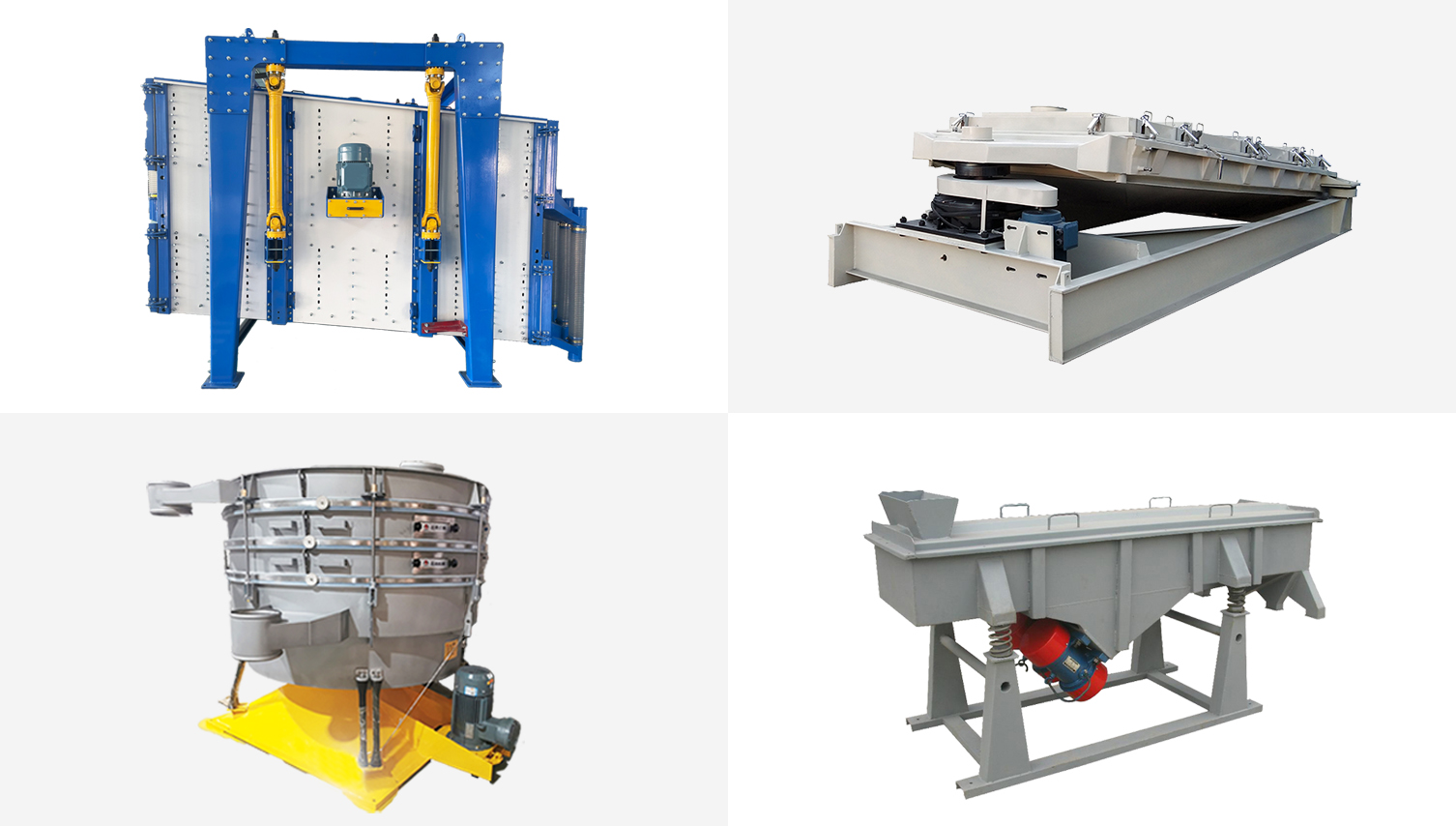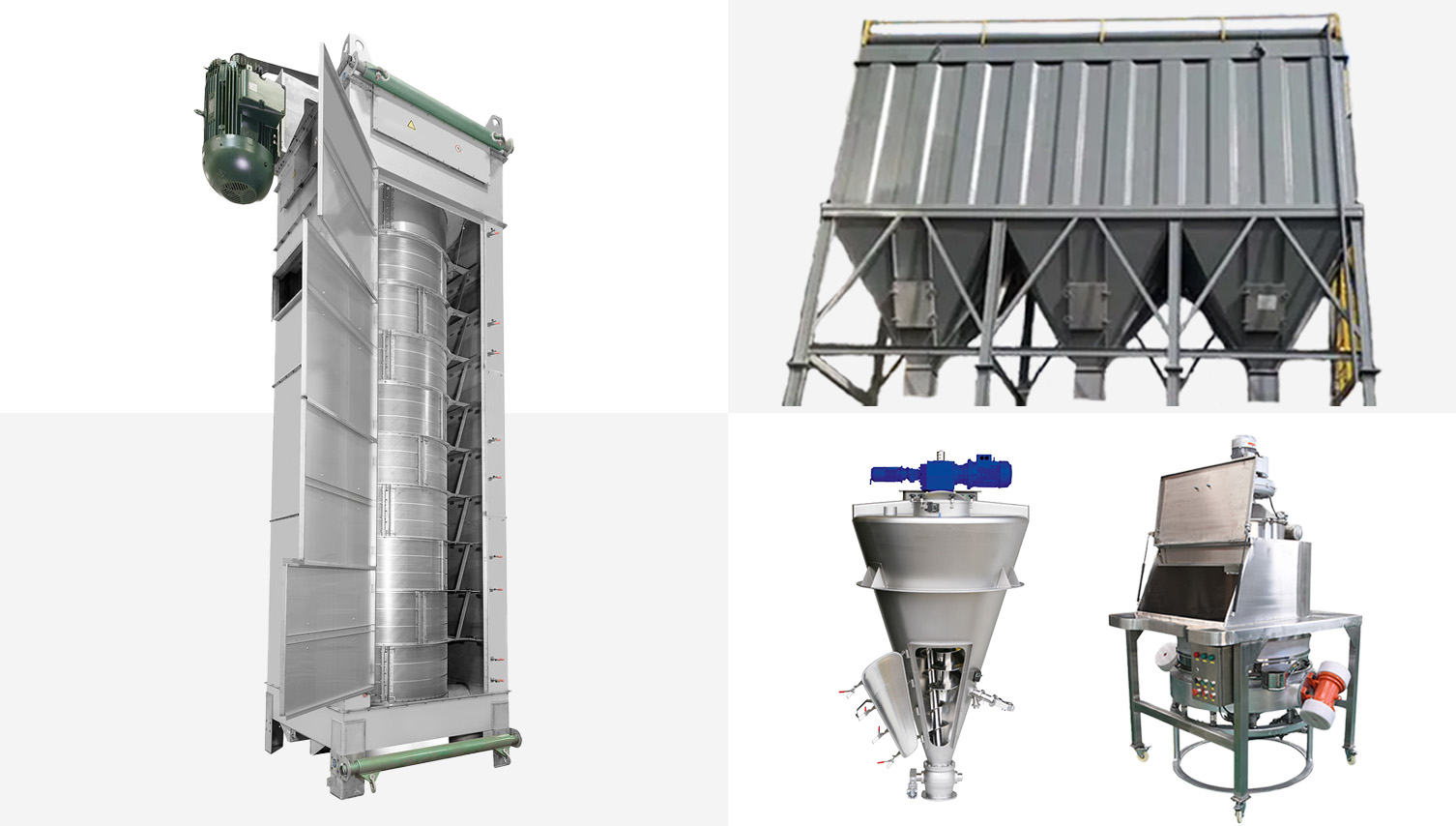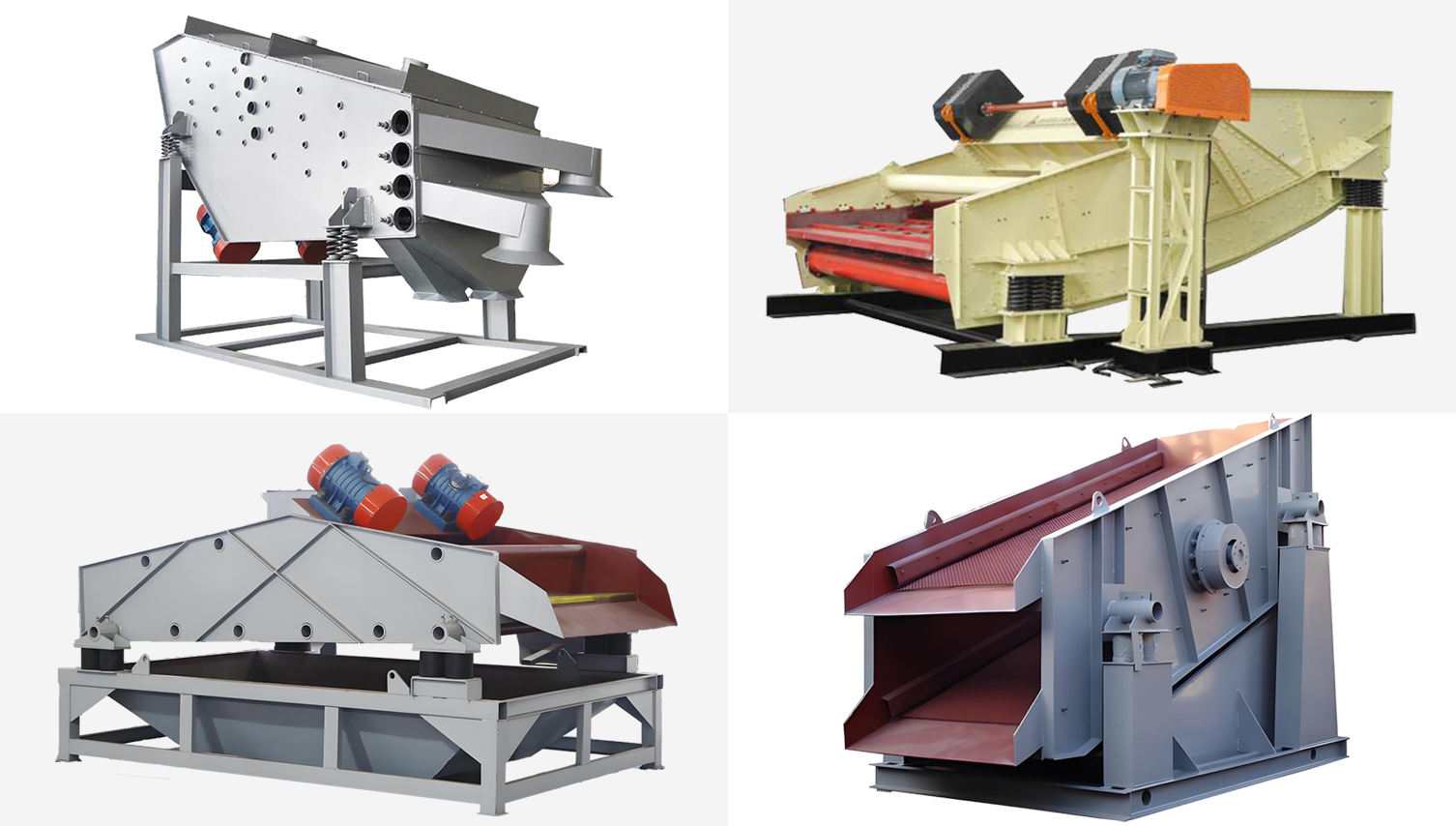
In modern screening production lines, materials often need to be continuously and stably conveyed from a low elevation to high-level screening equipment. As the core equipment for vertical conveying of bulk solids, bucket elevators work in close coordination with vibrating screens, swing screens, linear screens and other machines, serving as an indispensable “vertical artery” in the sand and gravel, chemical, grain and metallurgy industries.
A bucket elevator consists of a drive unit, head pulley, boot pulley, traction member (chain/belt), buckets, casing, and inlet/outlet spouts. Its working principle: the traction member drives the buckets in cyclic operation. Materials are scooped by buckets at the bottom, lifted to the top, and then discharged by centrifugal force or gravity.
Key features are listed below:
Vertical conveying with small footprint It enables vertical lifting from several meters up to tens of meters within compact workshops, saving substantial floor space compared with inclined belt conveyors.
Fully enclosed structure for dust control The well-sealed casing, equipped with dust extraction ports, effectively suppresses dust generation during material transfer before and after screening to meet environmental compliance requirements.
Stable continuous operation with high automation Buckets pick up material evenly and run continuously. The elevator can be interlocked with screening machines to realize reverse-sequence startup and forward-sequence shutdown.
Wide material adaptability It handles powder, granular and small-lump materials. By changing bucket types and traction forms, it can process dry materials, wet materials, high-temperature materials and abrasive materials.
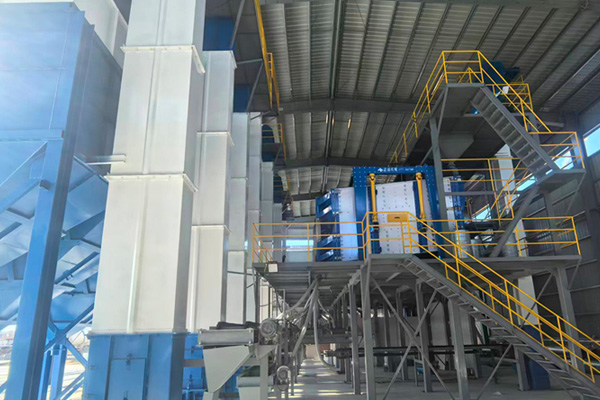
Resolves layout challenges of low-level feeding and high-level screening Many screening workshops adopt multi-story layouts: crushed materials are stored on the ground floor while screening machines are installed on the second floor or higher platforms. Bucket elevators deliver materials steadily to the feeding inlet, eliminating manual handling and repeated rehandling.
Seamless connection with screening machines to improve line continuity Discharged material from the elevator flows directly into vibrating screens via chutes. Oversized coarse material can be recirculated for re-crushing, while undersized fine material flows into finished product silos, forming closed-loop production and reducing blockages and downtime.
Reduced material degradation and return loss Inflow feeding and gravity discharge minimize hard impacts. This is especially suitable for fragile materials such as urea, coke and nuts.
Balanced environmental protection and energy efficiency The enclosed casing prevents dust leakage. Vertical conveying features a shorter transfer path than long-distance belt conveying with concentrated energy consumption, delivering better economic benefits for long-term operation.
A bucket elevator is not an accessory to screening machines. Instead, it acts as a critical hub that determines whether the screening system can operate continuously, cleanly and efficiently. Proper model selection, reliable sealing and interlock configuration are essential to ensure the whole screening line runs steadily, achieves high output and delivers a long service life.