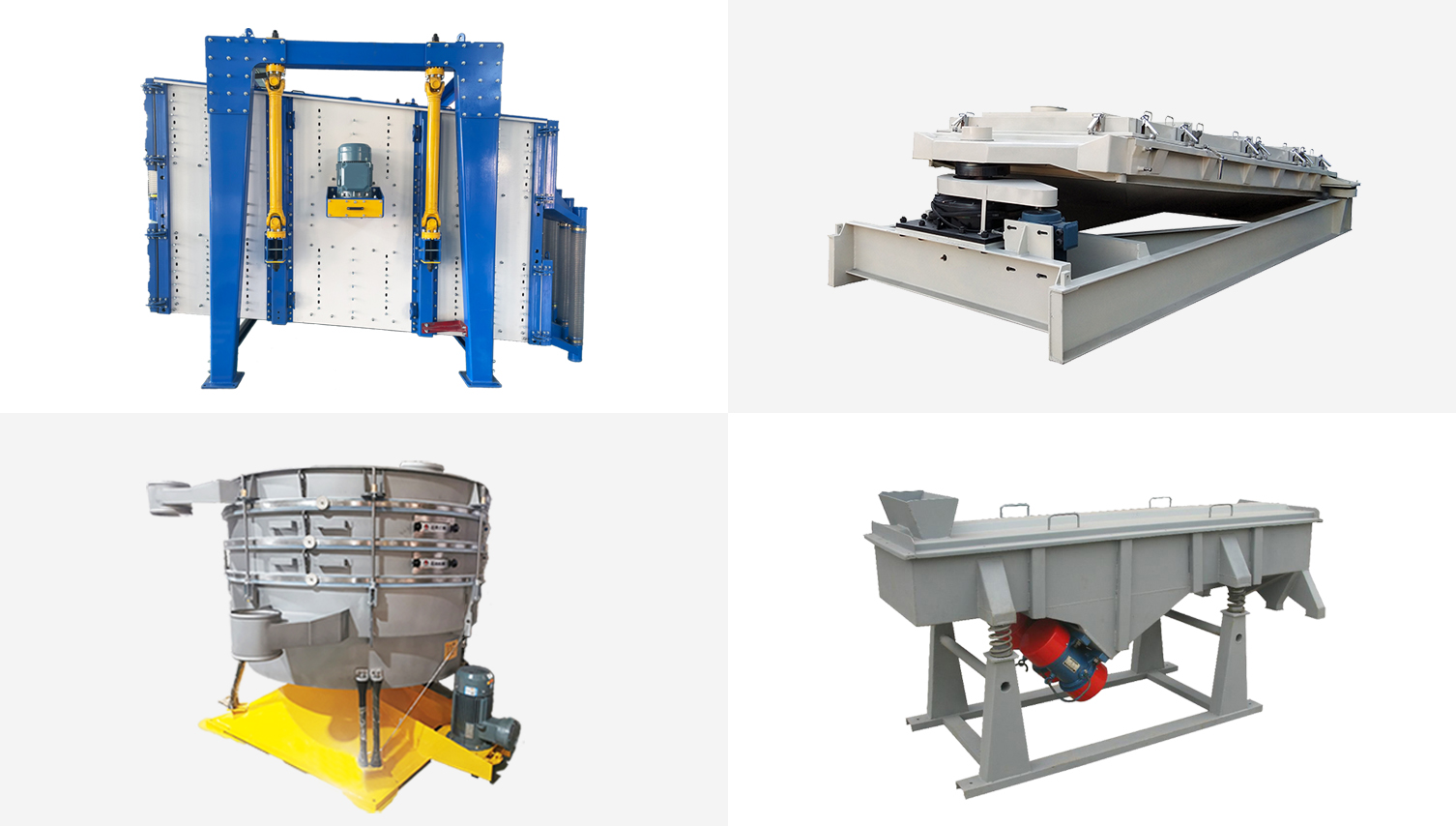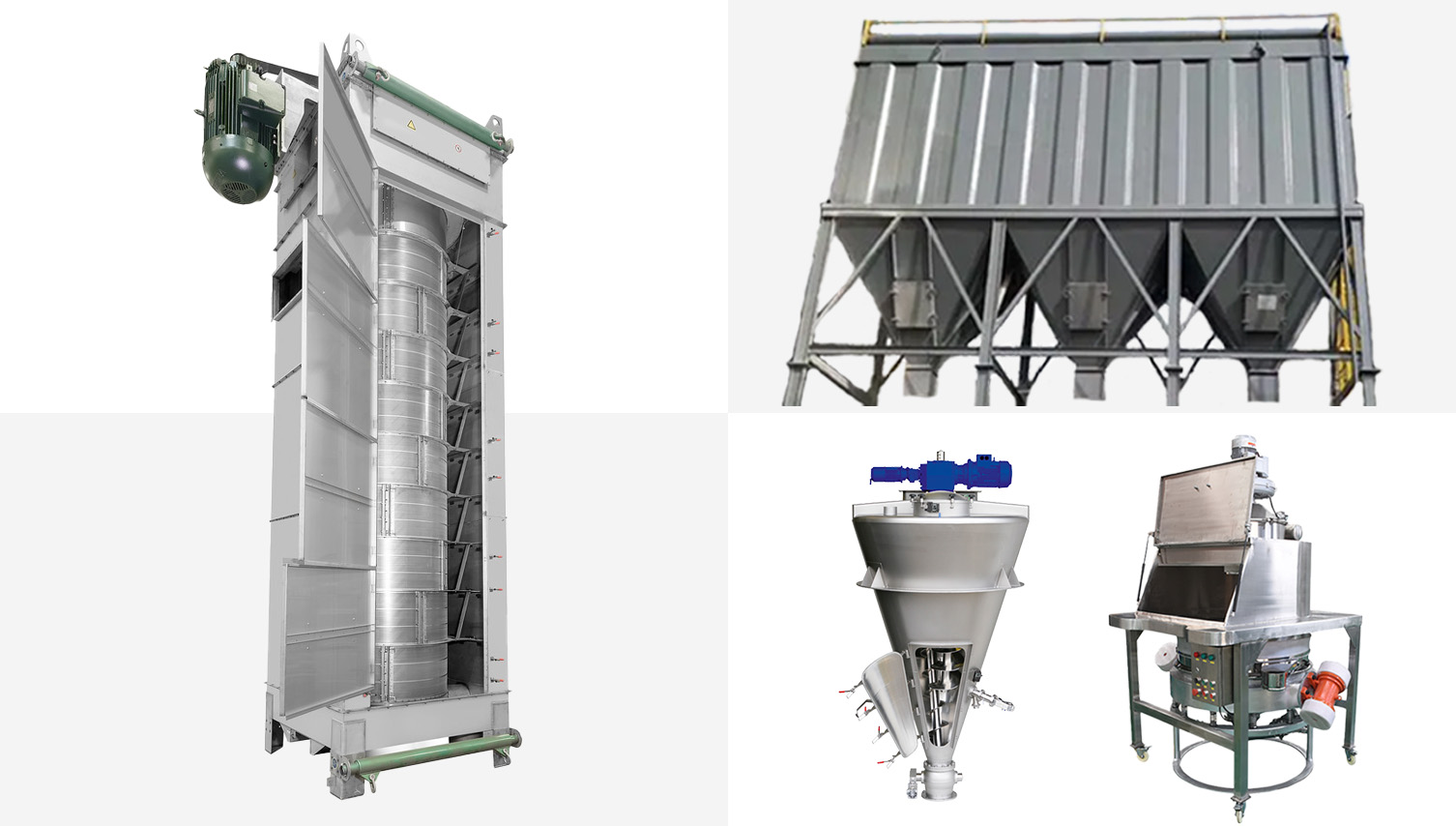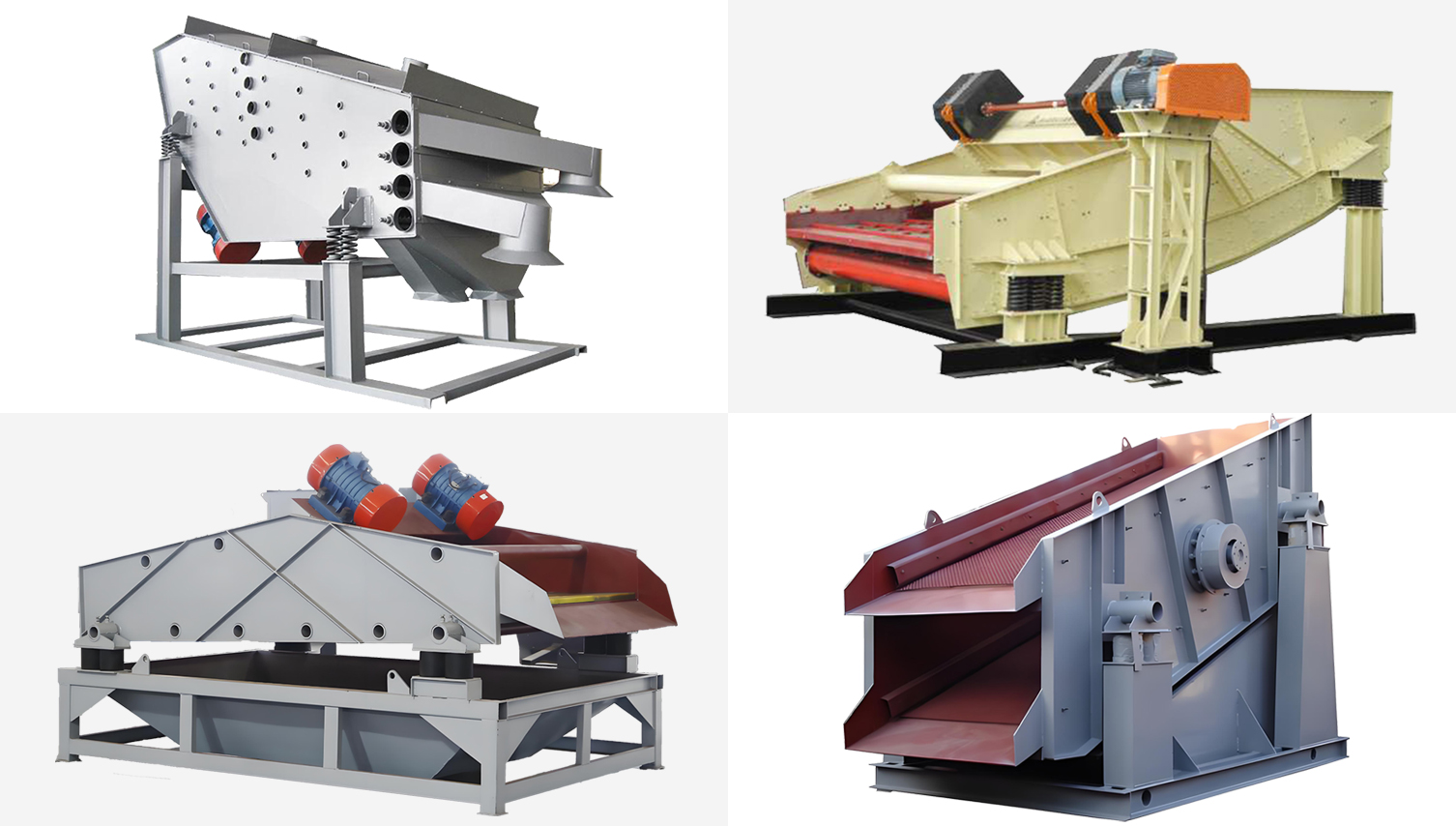
Spring, while a peak production season, is also a high-risk period for equipment failures. With rising temperatures and increased humidity, bacteria (in biological materials), static electricity, and changes in the lubrication system subtly affect equipment operation. Below is a checklist for square gyratory screens operating in spring, helping you eliminate potential problems before they escalate.
Hazard 1: Lubrication System "Seasonal Incompatibility"
Symptoms: Rapid bearing temperature rise, abnormal vibration noise, and even bearing seizure.
Cause Analysis: Low-viscosity lubricating oil may have been used in winter to withstand the cold. In spring, temperatures rise above 20°C, increasing the fluidity of the grease. Using winter-grade oil will result in insufficient oil film strength; excessive grease will increase agitation resistance and cause overheating.
Maintenance Actions: Thoroughly clean the bearing housing and vibrator, and replace with standard summer grease such as #3 general-purpose lithium-based grease. Strictly control the grease level to 1/2 to 2/3 of the bearing housing volume; remember, "add small amounts frequently" is better than "filling up completely at once."
Potential Hazard 2: Micro-damage to the Screen Mesh "From Point to Area"
Symptoms: Decreased screening accuracy, coarse particles mixed in the undersize material, or irregular holes appearing on the screen mesh.
Causes: Strong winds and dust in spring allow hard particles to enter moving parts, accelerating screen wear. Simultaneously, fluctuations in material moisture in spring can cause localized tension changes in the screen mesh, concentrating stress in slack areas and accelerating fatigue damage.
Maintenance Actions: At least once a week, with the machine stopped, carefully inspect the screen mesh with a strong flashlight, especially at the discharge port and seams. Use a tension meter to check the tension, ensuring it remains between 35-40 N/cm, with a tension error of no more than 5% at any point on the same screen.
Potential Hazard 3: Aging and Failure of the Sealing System
Symptoms: Dust overflows during screening, severe dust accumulation around the equipment, and material leakage at the feed inlet flexible connection.
Cause Analysis: Increased ultraviolet radiation in spring, coupled with fluctuating day-night temperatures, accelerates the aging, hardening, and even cracking of rubber sealing strips and flexible connection materials, causing them to lose their sealing function.
Maintenance Actions: Press the sealing strip by hand to check its elasticity and observe for any fine cracks on the surface. If hardening or a significant decrease in elasticity is found, it must be replaced immediately. Simultaneously check for twisting or deformation of the flexible connections, and correct or replace them promptly to prevent dust from escaping and polluting the environment during the dry season.
Hazard Point 4: Foundation "Level Imbalance"
Fault Symptoms: Abnormal shaking, screen box torsional vibration, and even metallic fatigue sounds occur during equipment operation.
Cause Analysis: Melting of frozen soil or thermal expansion and contraction of the foundation in spring may cause changes in the levelness of the equipment foundation. Uneven foundations directly lead to uneven stress on the screen body, and long-term operation may tear the screen box side plates.
Maintenance Actions: Use a level to check the horizontal and vertical levelness of the screen body quarterly, ensuring that the horizontal level deviation is ≤2mm and the vertical level deviation is ≤3mm. If deviations are found, adjust the vibration damping support shims or recast the foundation promptly.
Hidden Danger Point 5: Electrical System "Spring Tide Invasion"
Fault Symptoms: Difficulty starting equipment, sudden shutdown during operation, poor contactor engagement.
Cause Analysis: High humidity in spring and temperature differences between day and night easily cause condensation inside the electrical control cabinet, leading to short circuits, contactor contact oxidation, or a decrease in motor insulation resistance.
Maintenance Actions: Before starting the machine, open the electrical control cabinet door for ventilation and dehumidification, and check if a desiccant is placed inside. Use a megohmmeter to test the motor insulation resistance; if it is below 0.5MΩ, drying treatment is required. Clean the dust accumulated on the cooling fan to ensure good heat dissipation for electrical components.
Clearly Separated Particles, Intelligent Screening --Mirant Xinxiang Machinery Equipment Co., Ltd.