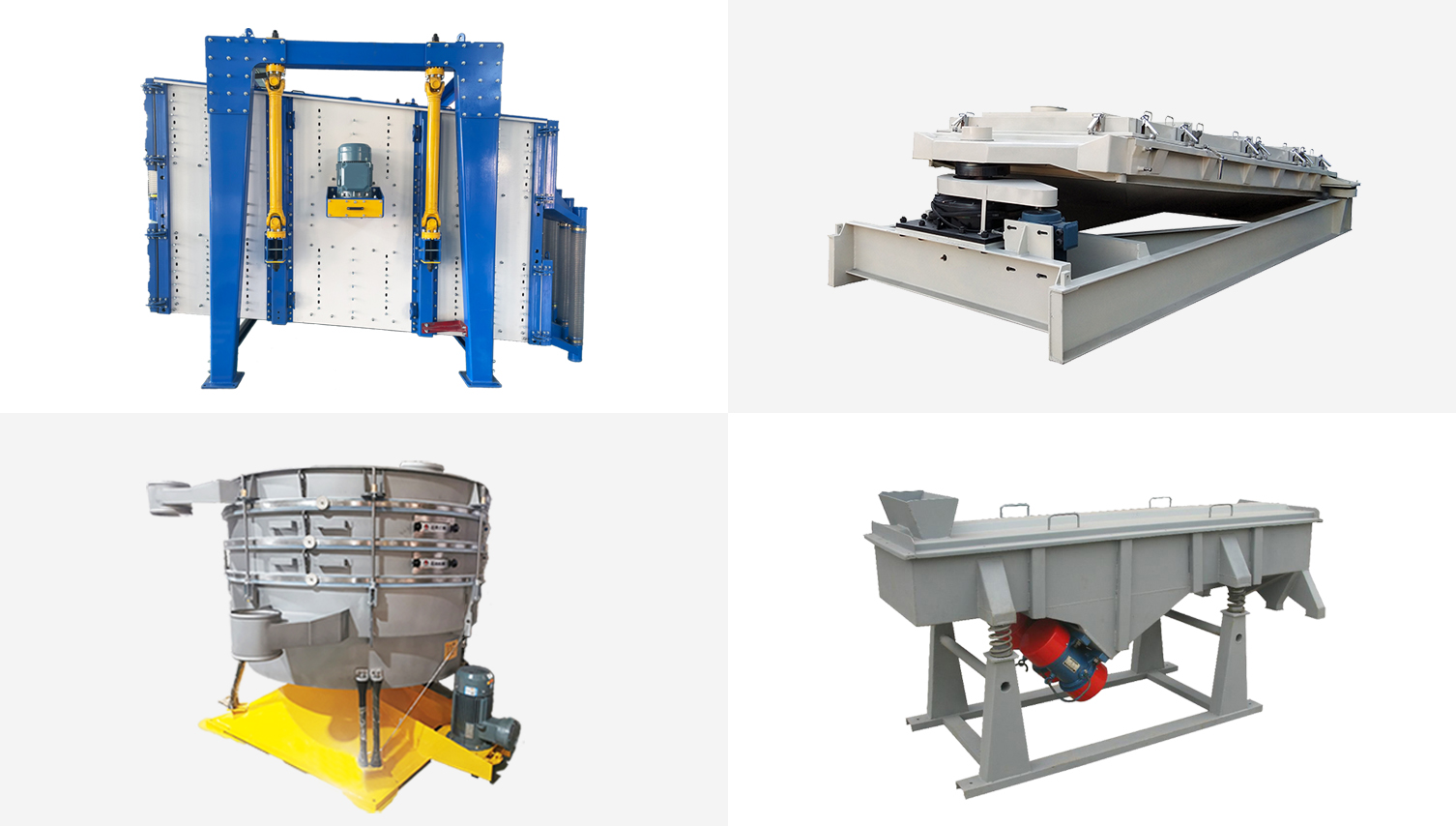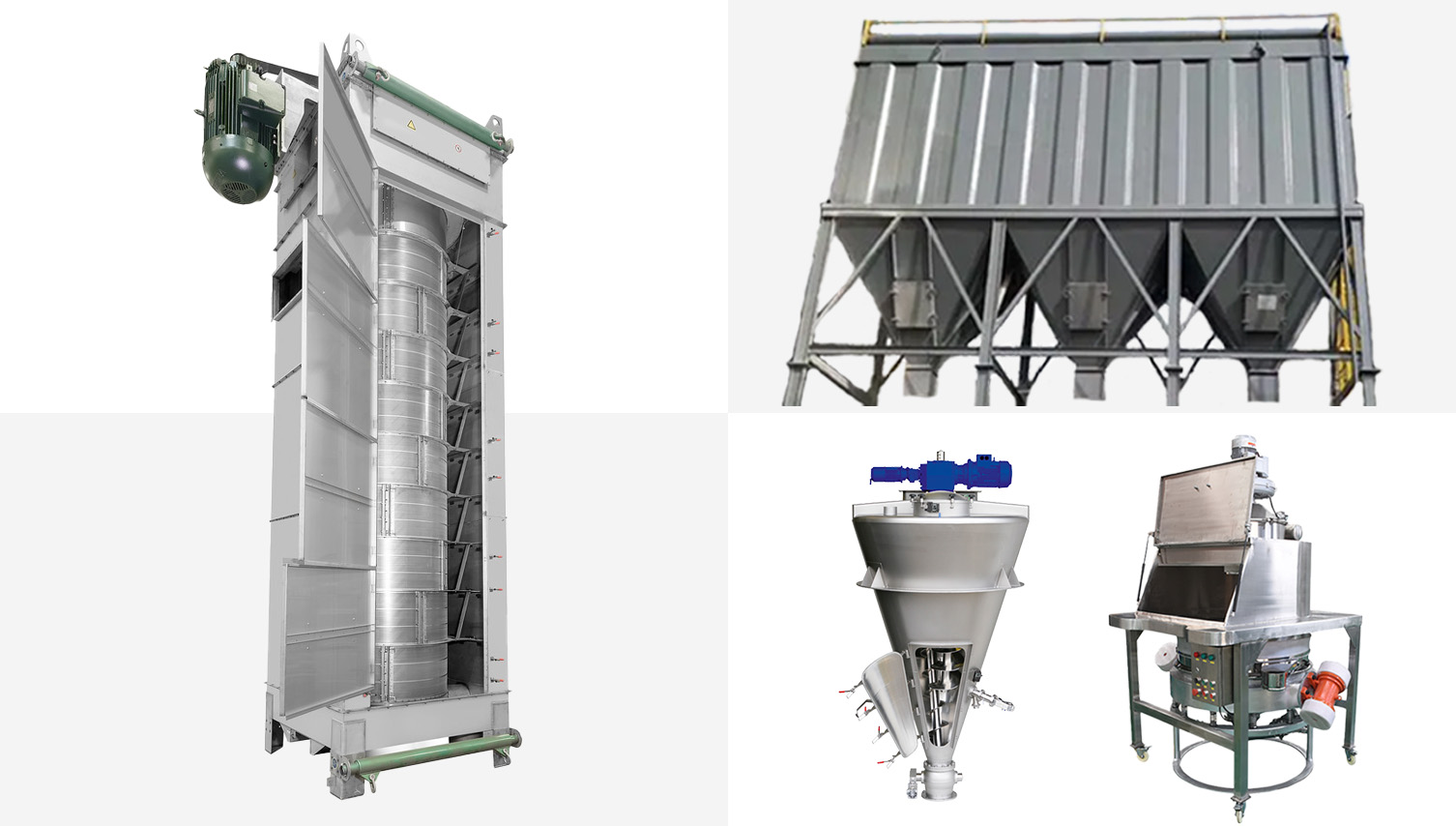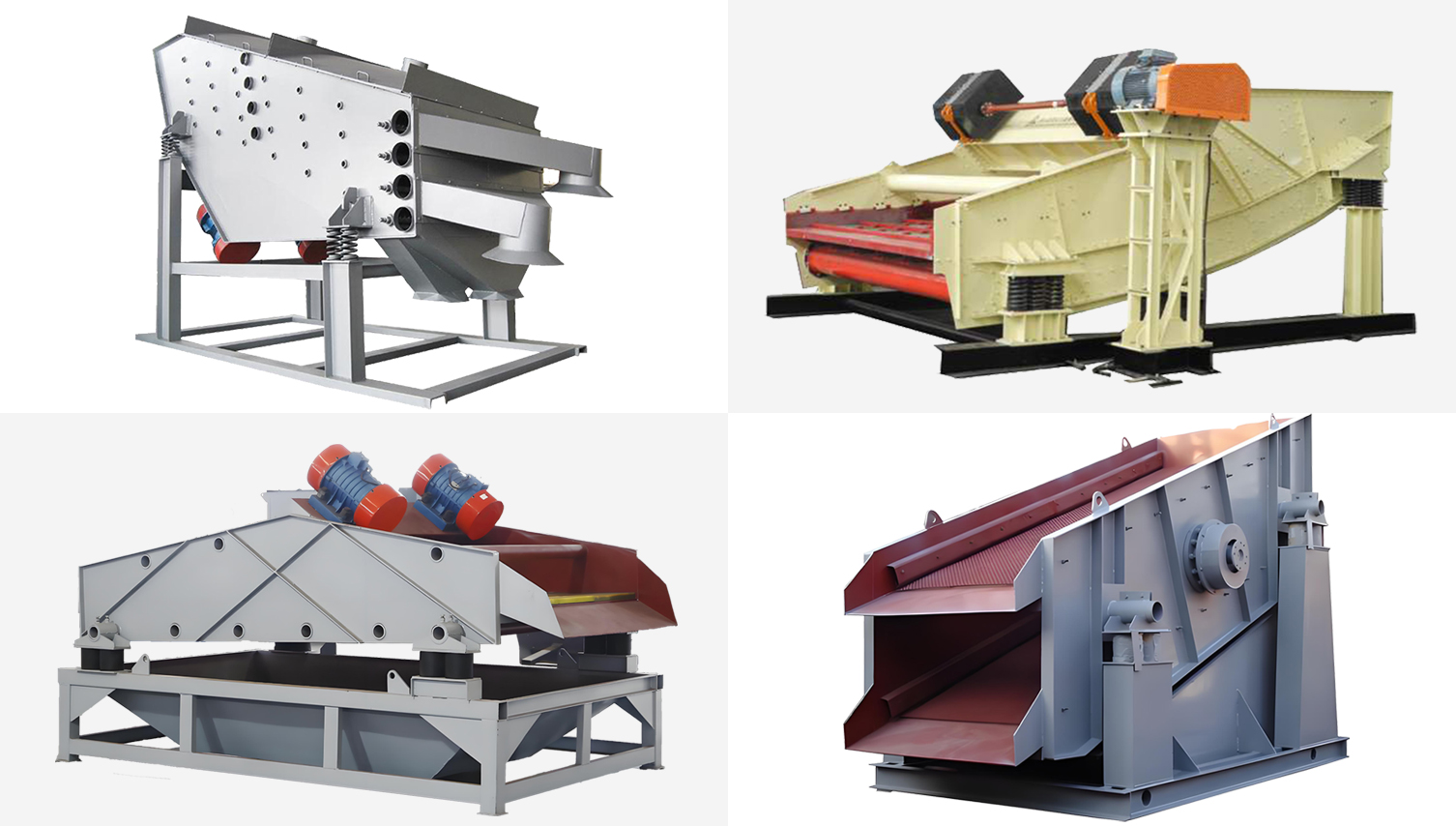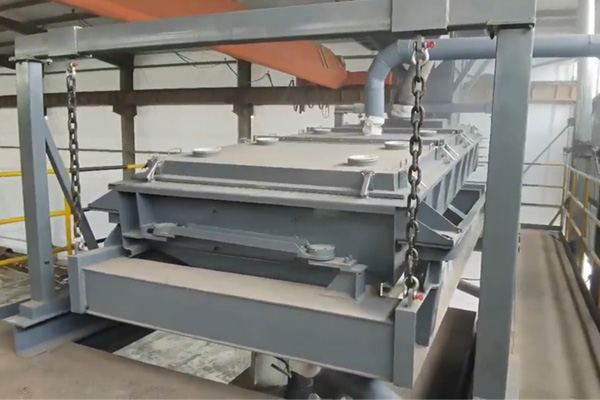
In a Gyratory vibration screens production line, the conveying equipment at the feed end is the primary factor ensuring screening efficiency. The Gyratory vibration screen utilizes an eccentric mechanism to make the screen surface reciprocate at a uniform speed, while the material moves in a horizontal circular motion at the feed end. This requires the material to enter the screen surface evenly, continuously, and smoothly. Large fluctuations or uneven distribution in the feed rate will directly affect the automatic grading effect on the screen surface, leading to a decrease in screening pass rate.
The supporting feed conveying equipment typically adopts a quantitative feeding design. Common equipment includes electromagnetic vibrating feeders or variable-speed belt conveyors. These types of equipment are characterized by their adjustability, allowing precise control of the material flow rate according to the processing capacity of the Gyratory vibration screen, avoiding excessively thick screen surface layers due to excessive instantaneous flow, which would affect screening accuracy. For materials requiring protection against breakage or dust, enclosed scraper conveyors are the preferred choice. Their fully enclosed structure aligns with the environmentally friendly design concept of the Gyratory vibration screen, ensuring that fine powders do not generate dust during transport.
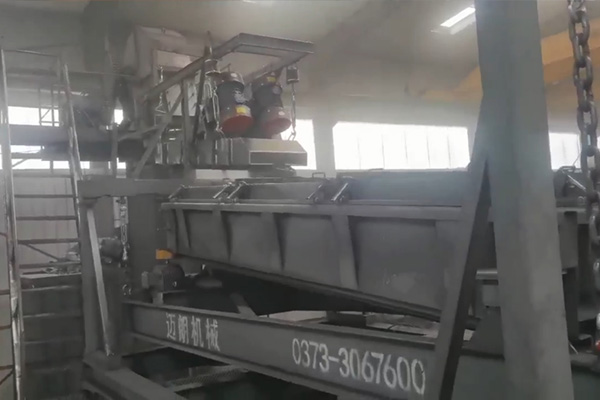
Electromagnetic Vibrating Feeder in conjunction with a Gyratory vibration screens
In a Gyratory vibration screening production line, the biggest technical challenge in the feeding stage lies in eliminating feeding pulses and achieving truly "thin-layer uniform feeding." The electromagnetic vibrating feeder has become standard equipment in mid-to-high-end screening production lines due to its deep integration of mechanical resonance and electrical control.
Material activation through micro-throwing and shearing motion
1. Gyratory vibration screen utilize rotational motion to automatically stratify materials on the screen surface (large particles float, small particles sink). If the feed is too dense or squeezed in, the stratification effect will be greatly reduced. The core feature of the electromagnetic vibrating feeder is that it uses electromagnetic force to drive the trough to vibrate at low frequency and high amplitude, causing the material to exhibit a continuous micro-throwing state in the trough.
2. Energy efficiency advantages of the sub-resonant dual-mass structure
Modern high-end electromagnetic vibrating feeders mostly adopt the dual-mass sub-resonance principle. The main spring system connects the trough mass and the vibrator mass into a single vibration system, making its operating frequency close to but slightly lower than the system's natural frequency.
Rigid Thin-Wall Structure and Wear-Resistant Treatment
3. Considering that Gyratory vibration screen are often used for grinding highly abrasive minerals or building materials, the trough of the electromagnetic vibrating feeder is typically made of high-strength thin-walled steel plates reinforced with ribs. This ensures overall rigidity while reducing the weight of the vibrating components. In the material drop area, replaceable wear-resistant liners (such as wear-resistant ceramics or high-chromium cast iron) are often laid to prevent direct material erosion of the trough bottom, with a service life of several years.
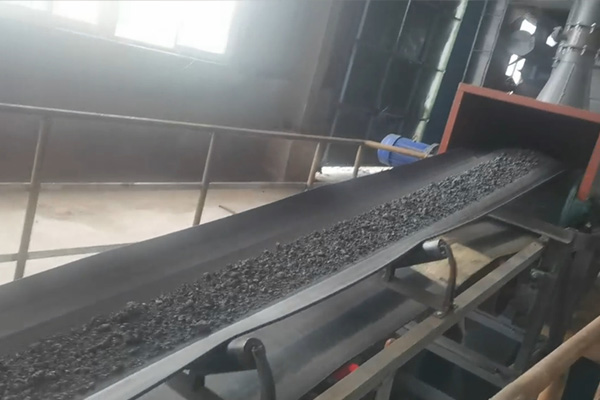
Belt conveyors paired with Gyratory vibration screens
The screening effect of a rotary screen highly depends on whether the material can be evenly and continuously distributed across the entire screen surface. As the feeding device, the belt conveyor's core function is to transform bulk materials into a stable, thin layer of material.
1. When the belt conveyor discharges material from the head roller, the material falls in a parabolic trajectory due to centrifugal force and gravity. This physical process effectively "pre-activates" the material entering the rotary screen—the material naturally loosens during the fall, and relative displacement occurs between particles, breaking the compaction that may have formed during storage. When this "activated" material falls into the rotary screen's feed hopper, combined with the screen's own material leveling device, automatic stratification (large particles float, small particles sink) can be completed in a very short time, significantly improving screening efficiency.
2. Gyratory vibration screen typically have a buffer receiving device at the feed inlet. When the belt conveyor discharges material from the head roller, the material has a certain initial velocity. If it directly impacts the screen surface, it will not only accelerate screen wear but may also damage the material layer structure already formed on the screen surface. Therefore, in mature supporting solutions, a guide chute or buffer box is often installed between the head of the belt conveyor and the feed inlet of the rotary screen.
3. The conveying capacity of the belt conveyor must be precisely matched with the processing capacity of the Gyratory vibration screen. If the belt speed is too fast and the material layer is too thick, excessive material will rush into the screen surface instantly, resulting in incomplete screening; if the speed is too slow, the screen will not be fully utilized, resulting in wasted capacity. In practice, variable frequency speed-regulating belt conveyors are often used as supporting solutions. Through electrical interlock control, the belt speed is adjusted in real time according to the screen load, achieving flexible switching between "starvation feeding" and "saturation feeding," ensuring screening accuracy while maximizing capacity.
The efficiency of a Gyratory vibration screen production line depends on whether the upstream and downstream conveying equipment possesses matching "technological genes." The matching of conveying equipment and Gyratory vibration screens may seem ordinary, but it actually embodies the technological wisdom of deep collaboration between conveying and screening equipment. From the uniform material control at the feed end to the multi-channel diversion at the discharge end, and the flexible isolation at the interface, every detail interprets the profound meaning of "system integration." Together, they form the core framework of a modern screening production line.
Clearly separated particles, intelligent screening -- Mirant Xinxiang Machinery Equipment Co., Ltd.