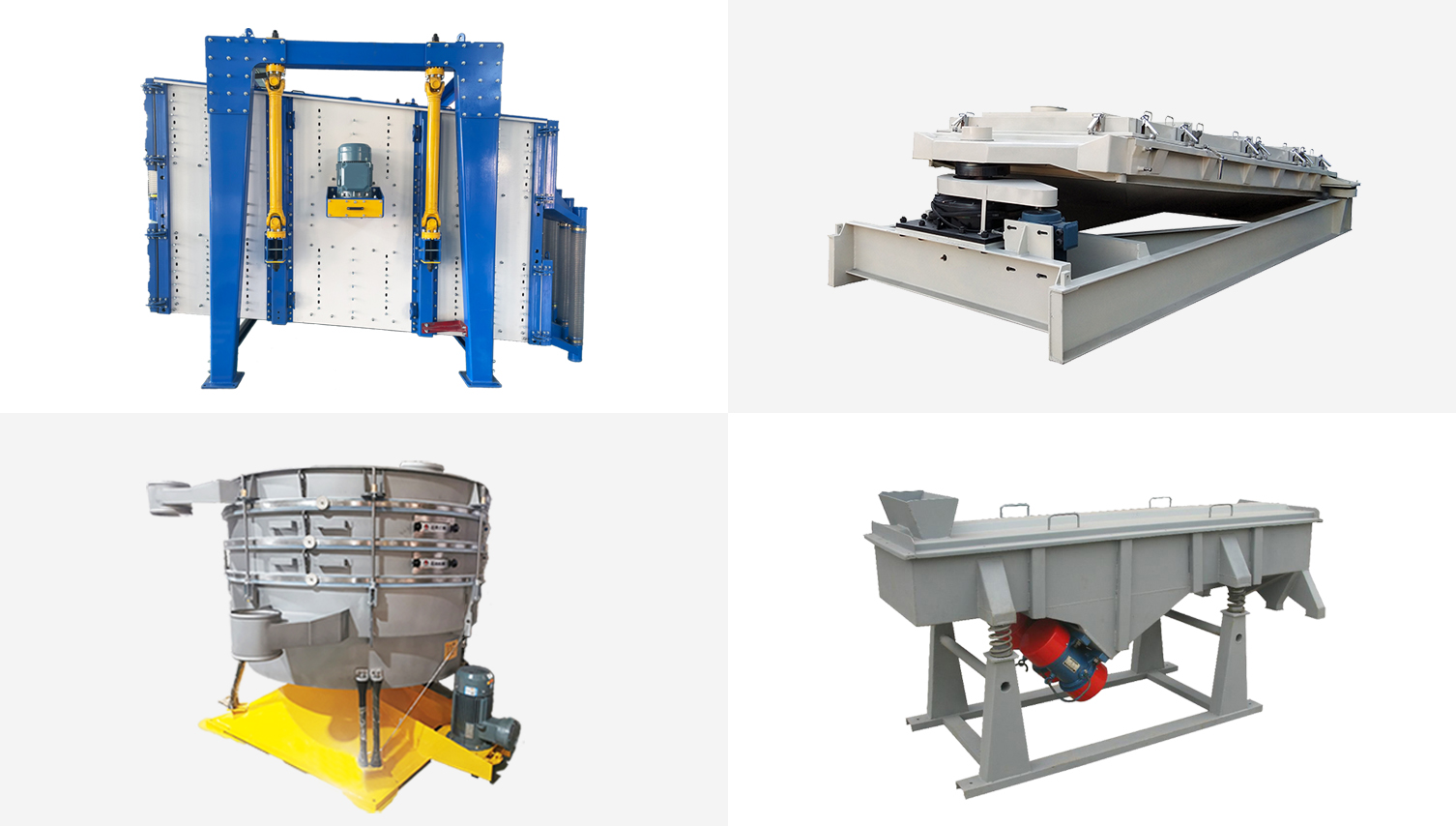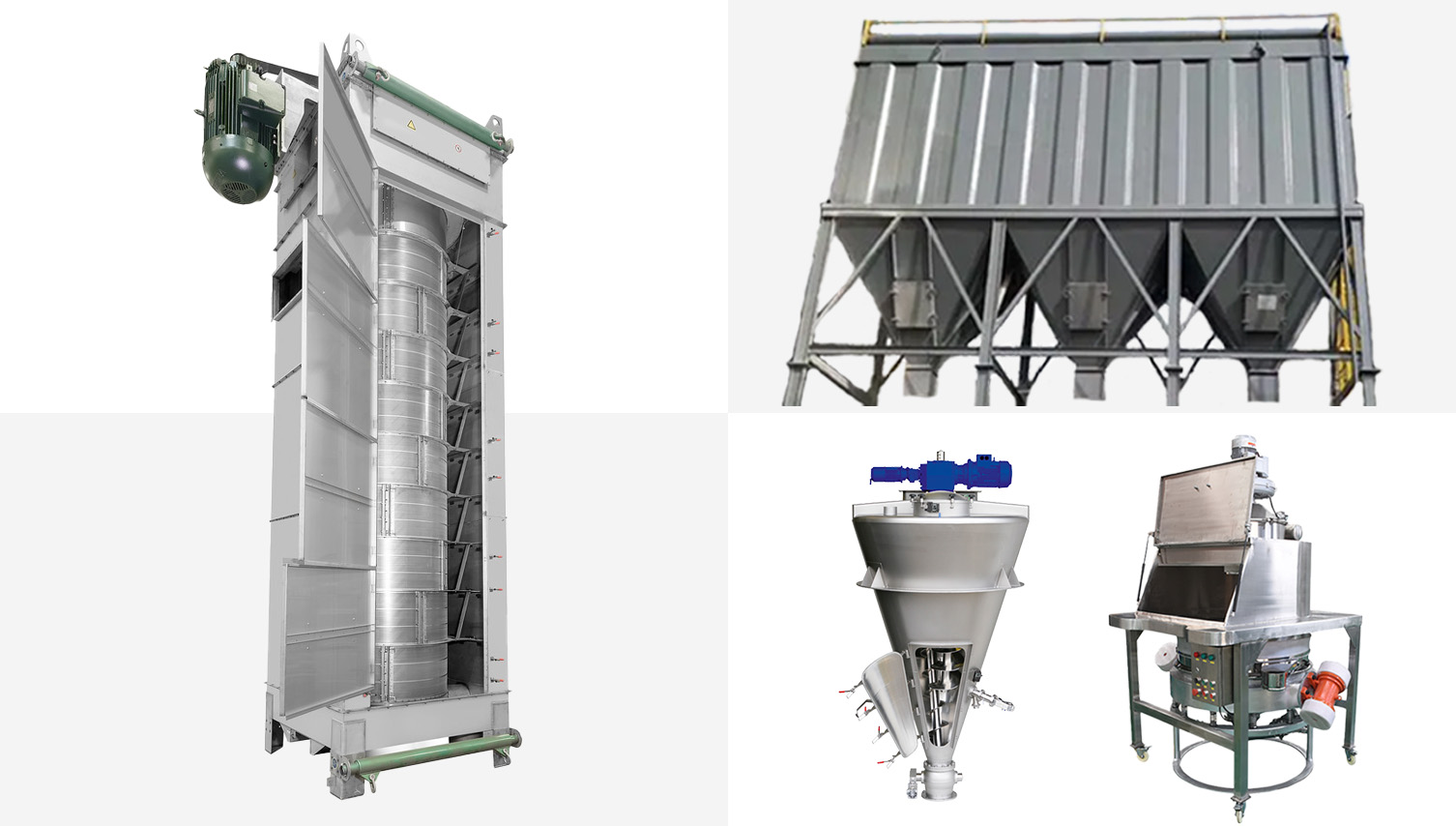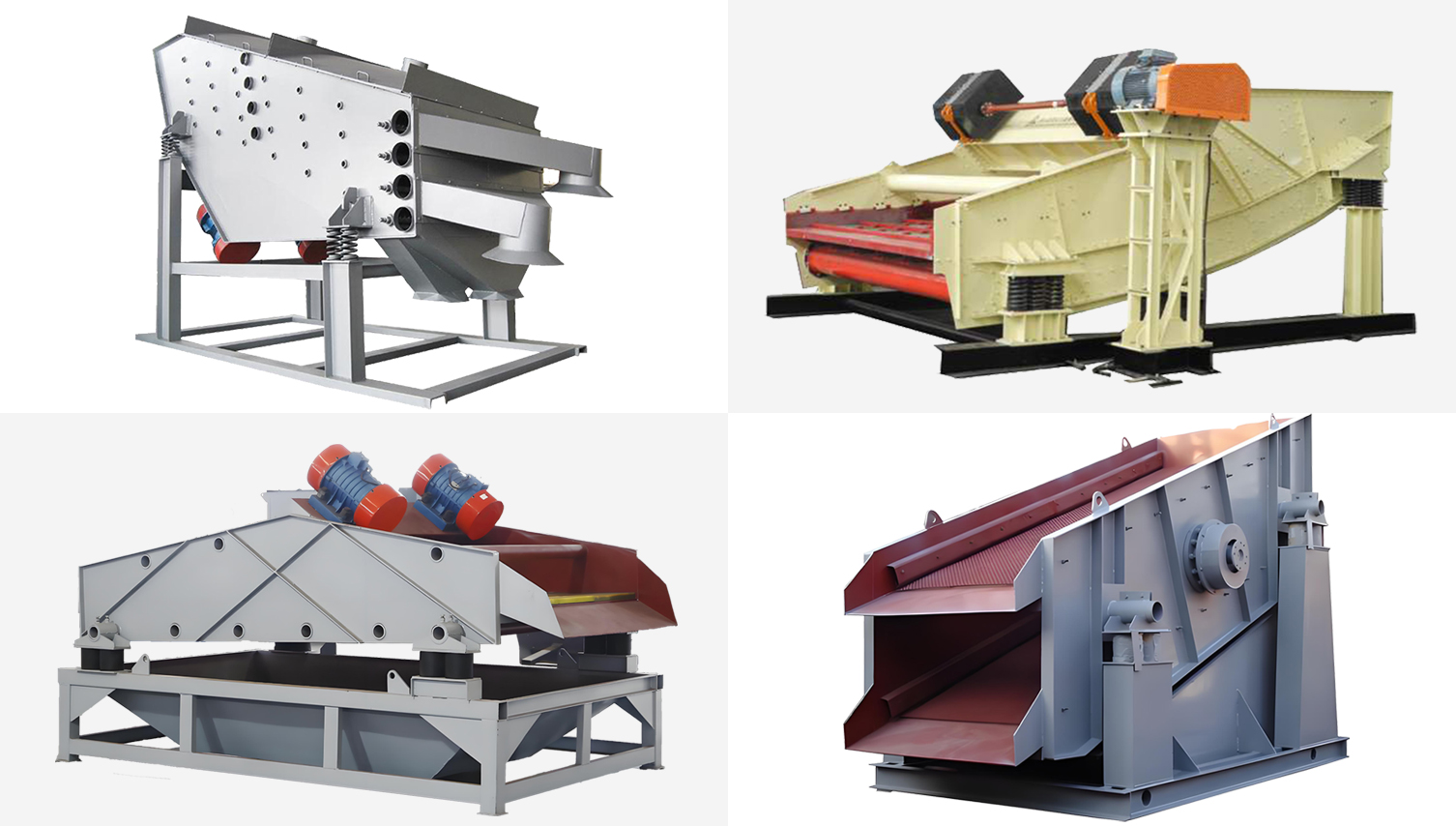
A few years ago, a company upgraded its production line, purchasing what seemed to be a very advanced crushing machine at the time. However, after installation, they discovered that the preceding and following processes were completely incompatible. The crusher's efficiency increased, but the screening equipment couldn't handle the material, causing blockages; conversely, while the screening equipment's efficiency improved, the conveying system couldn't keep up. The entire line was like a car with four wheels rotating at different speeds—it couldn't move, and it even damaged the chassis.
This lesson taught the client that equipment cannot be viewed in isolation; it must be considered within the context of the entire production line. When purchasing a square gyratory screen, they didn't just treat it as a "new screen," but rather considered its potential impact on the overall production line from the perspective of production line restructuring.
Possibility 1: Simplifying the Process Flow
Traditional screening processes, to achieve high grading accuracy, often require multiple stages connected in series: primary screening, grading screening, and inspection screening. Several machines are arranged in a row, connected by elevators and conveyor belts, resulting in large footprints, high energy consumption, and numerous potential points of failure.
The large processing capacity and high precision of the square gyratory screen enable the "merging of processes" in production lines. It can separate multiple particle size segments in a single layer, completing the grading task that previously required two to three machines. This not only reduces the number of machines but, more importantly, simplifies the entire process logic—shorter material flow paths, fewer control points, and higher stability.
Possibility 2: Optimized Material Flow
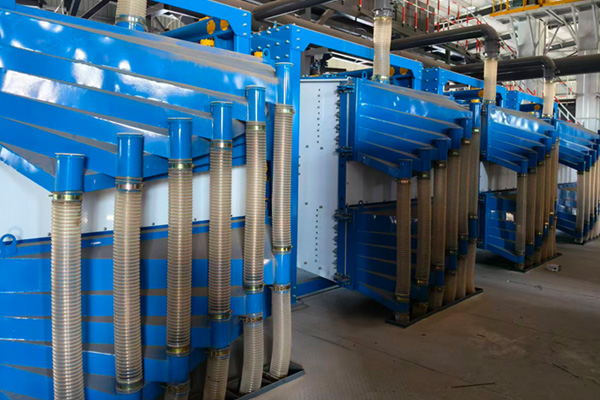
The layout of the square gyratory screen's inlet and outlet is highly flexible, allowing for customized orientation based on available space. This is particularly useful in retrofit projects.
Previously, the production line layout was inefficient, requiring materials to navigate through several bends. With the new screen, the customer redesigned the inlet and outlet directions, ensuring a straight material flow and eliminating two turning chutes and an elevator. Now, the material's path from drying to screening to packaging is nearly halved, reducing energy consumption and wear.
Possibility 3: Matching Intelligent Control
Factories are now discussing intelligent manufacturing, but this requires individual machines to have an "interface" for connecting to a control system.
The drive and control methods of the square gyratory screen are naturally suited for automation retrofits. Its start-up and shutdown are smooth, causing no impact on the power grid; its operating status can be monitored in real time through parameters such as current and temperature; it can automatically adjust the discharge gate according to the upstream material flow to achieve production line balance.
When customers plan their next intelligent upgrade, the first step can be to connect the operating data of the screening equipment to the central control room. Then, the system will issue early warnings for any abnormal trends in the equipment, rather than waiting until it breaks down to shut down.
Possibility 4: Reserved Capacity Flexibility
The market fluctuates, and orders are uncertain. This year, it might work 8 hours a day, but next year, during peak season, it might need to operate 24/7.
One customer specifically chose a slightly larger model when selecting a square gyratory screen. Some advised him to "just make sure it's sufficient," but his thinking was: leave some room for the future. Now that the market is good, I can operate at full capacity; if I develop new products in the future that require processing larger volumes of materials, this equipment can also handle it.
This flexibility is an invisible competitive advantage in a rapidly changing market.
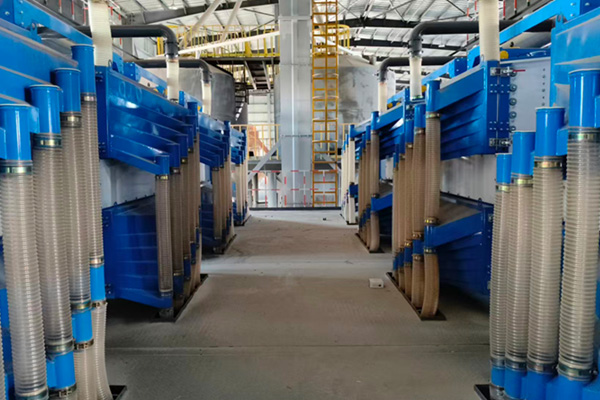
A good piece of equipment shouldn't just replace existing functions; it should bring new possibilities to the entire process—shorter paths, fewer nodes, higher controllability, and greater adaptability. If you're considering equipment upgrades, my advice is: don't ask "What can this screen do?" but rather "What does my production line need to look like?" Choosing equipment within this context will likely lead to a better decision.
Clearly Separating Particles, Intelligent Screening—Mirant Xinxiang Machinery Equipment Co., Ltd.