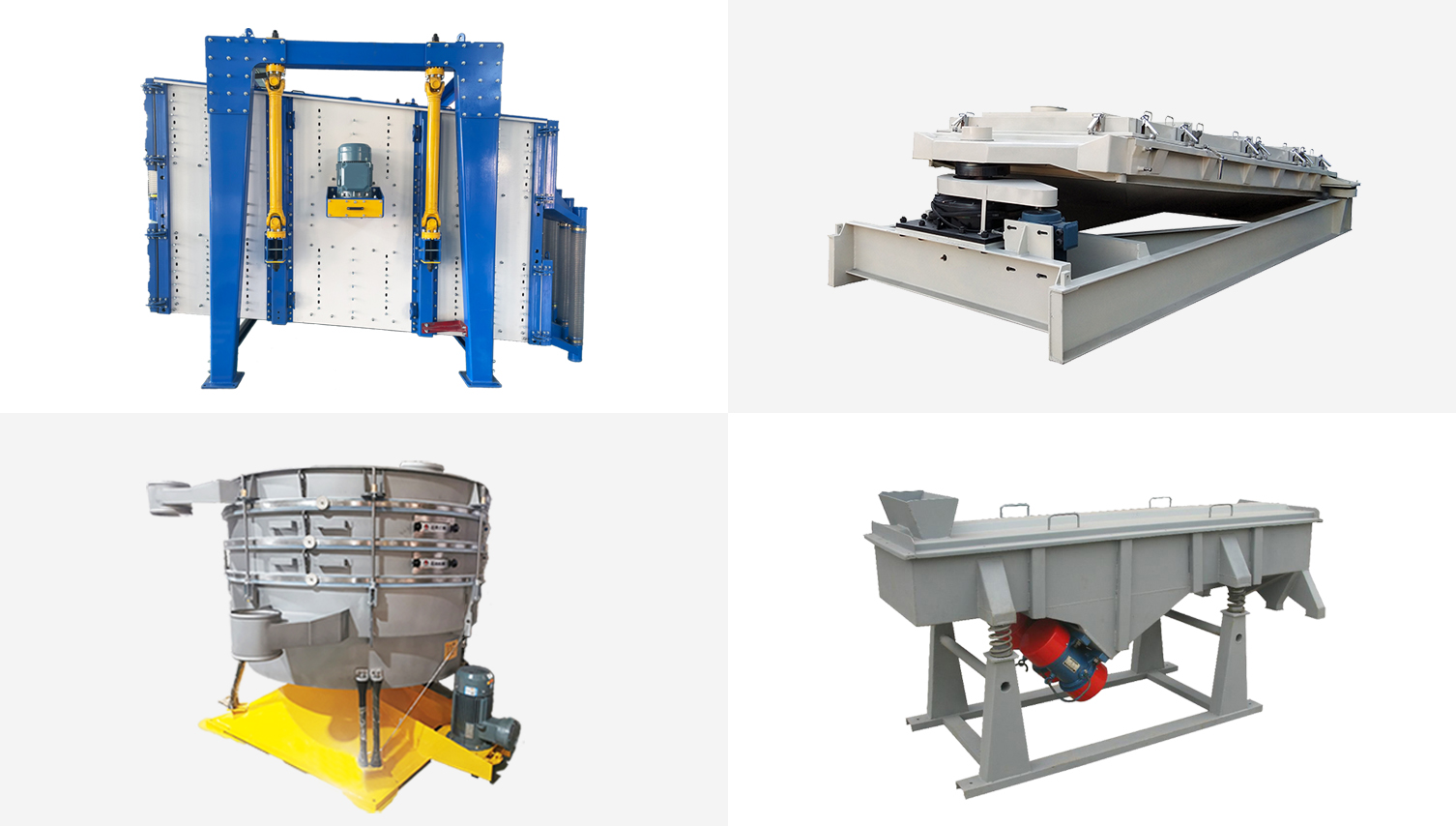
Last year, the management of a company made a decision that baffled even the veteran workers: to replace their nearly ten-year-old vibrating screen production line with a square gyratory screen, a technology relatively new to the industry. At the time, there was much skepticism: "Why spend money on equipment that's still usable?" "What if the new equipment malfunctions? Who will take the blame?"
To be honest, the management faced considerable pressure when the square gyratory screen first went into operation. But six months later, I want to share my thought process and experiences regarding the purchase of the screening equipment, offering some guidance to those in the same industry who are currently hesitant.
The "Three Deadly Sins" of Vibrating Screens: How Many Apply to You?
The decision to replace the old equipment wasn't because it was broken, but because several long-standing pain points had reached a breaking point:
First, capacity bottleneck. To meet increasing orders, two screens were already running in parallel, and the feed belts were widened, but screening efficiency remained stagnant. Material accumulated on the screen surface; what should have moved couldn't, and what shouldn't was crushed, creating a vicious cycle of "adding equipment but not increasing capacity."
Second, loss of precision control. Customers are getting increasingly picky. Products that used to be "good enough" are now being discussed meticulously, with suppliers presenting sieve residue test reports. That old sieve—even slight wear on the mesh causes coarse particles to fall through, requiring the entire batch to be downgraded.
Thirdly, there's the environmental pressure. This goes without saying. The workshop floor is always covered in dust, and environmental inspections cause a stir. Workers are starting to complain; young people can't be retained, and veteran workers say, "Working like this for too long makes my lungs uncomfortable." This cost isn't calculated on paper, but it's a real concern.
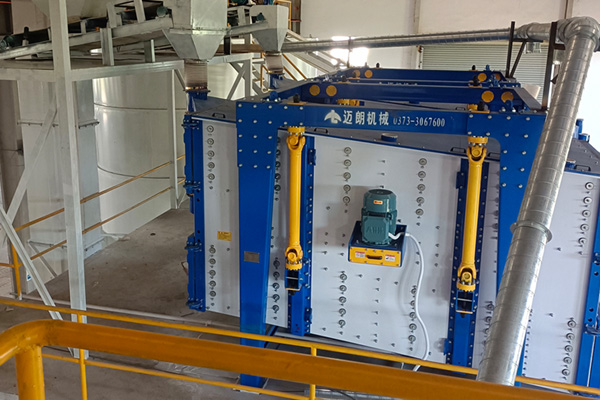
Square Gyratory Screen: It's Not "Just Another Vibrating Screen"
After encountering the square gyratory screen, I realized a crucial misconception: I had always thought screening equipment was simply iterating on the principle of "vibration," but in reality, the square gyratory screen takes a different approach.
It doesn't "jump," it "walks."
Older equipment relies on strong vibrations to make materials jump, which seems intense, but the material's residence time on the screen surface is short, resulting in less chance of passing through. The square gyratory screen simulates the action of manual sieving—the material performs a planar rotary motion on the screen surface, following a spiral trajectory. The path is long, the stratification is thorough, and fine powder has enough time to find the mesh openings and penetrate.
It doesn't "bump around randomly," it moves at a "constant speed."
Traditional vibrating screens have a large impact on materials, easily breaking brittle particles and producing too much unwanted fine powder. The gyratory screen's gentle and uniform motion protects the original shape of the material. This benefits subsequent processes (such as packaging and granulation) by significantly improving stability.
It doesn't "leak powder," it "seals."
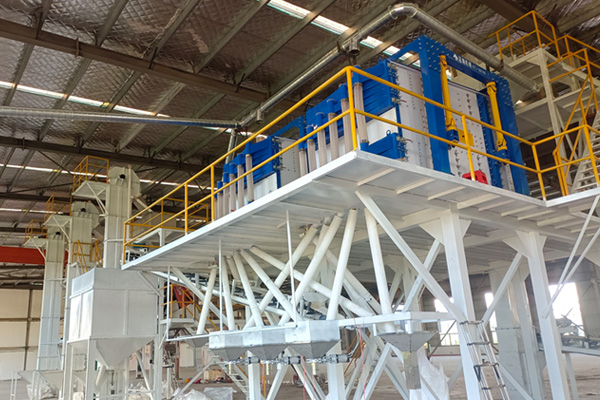
This is the most unexpected point. After the new equipment was installed, the workshop director was specifically instructed to run it for two days before checking the floor, and indeed, no dust accumulation was observed. The fully enclosed structure, coupled with a well-designed negative pressure interface, prevented any dust from escaping.
After six months of use, the biggest takeaway is that this investment has restored control over the production schedule. When receiving large orders, there's no longer anxiety about whether the screens can handle the load; when developing new clients, I can confidently say "particle size guaranteed"; and with the improved workshop environment, worker turnover has significantly decreased, and we've even been able to recruit some younger workers.
Returning to the initial question: when replacing the screens, what did we truly want to replace? It was the passive feeling of being dragged along by the equipment and pushed along by problems.
Clearly separated particles, intelligent screening—Mirant Xinxiang Machinery Equipment Co., Ltd.